
The arrival of Pope Leo XIV in Cameroon represents much more than a diplomatic event or a simple pastoral visit. For the local Christian community, this encounter symbolizes a moment of deep spiritual communion and renewed hope. In a continent facing complex challenges, the presence of Peter's successor brings with it the echo of Jesus' words: "Peace be with you! As the Father has sent me, I am sending you" (John 20:21, NIV).

Since his election in May 2025, Pope Leo XIV has demonstrated a special commitment to Christian unity and dialogue between different faith traditions. His visit to Cameroon occurs in a context where the Christian population, divided among different denominations, seeks points of convergence and mutual understanding. This historic moment invites us to reflect on the true meaning of unity in the body of Christ.
The Pastoral Significance of the Papal Visit
Pope Leo XIV's visit is not limited to protocol or political aspects. At its heart lies a pastoral mission deeply rooted in Jesus' commandment: "Love one another. As I have loved you, so you must love one another" (John 13:34, NIV). For Cameroonians, this encounter represents a unique opportunity to experience the closeness of the Petrine ministry in their local realities.
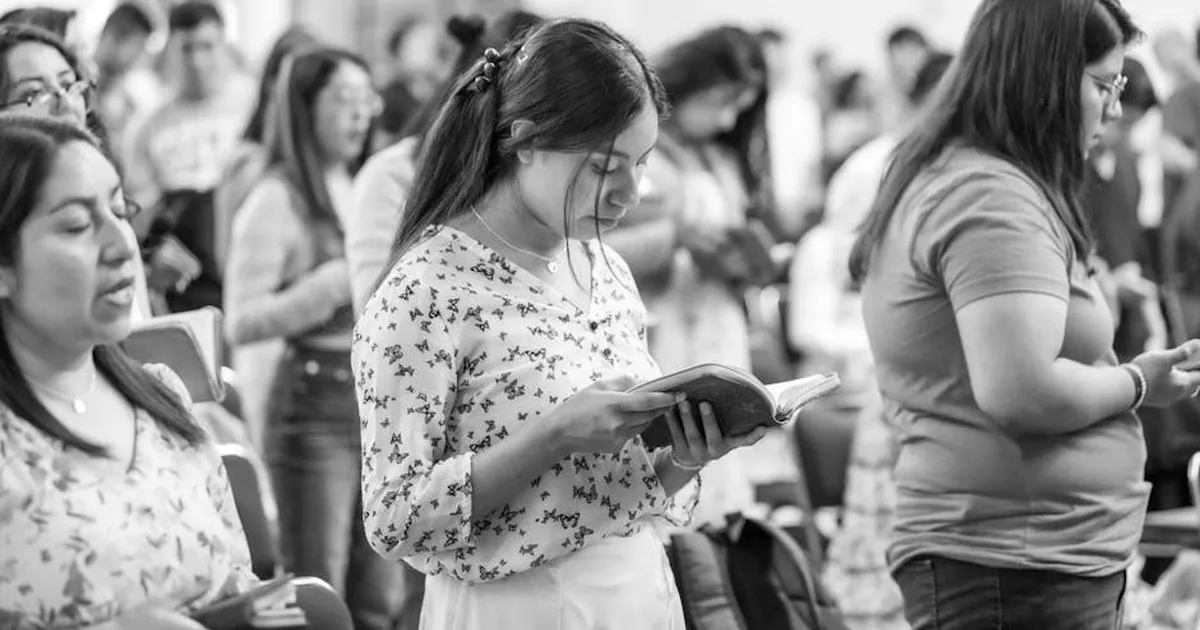
Many faithful await with anticipation the words of encouragement the Pope will bring, especially considering the challenges the nation faces. In communities where different Christian traditions coexist, the message of unity resonates with particular strength. As the apostle Paul reminds us: "There is one body and one Spirit, just as you were called to one hope when you were called" (Ephesians 4:4, NIV).
Transformative Encounters
The scheduled meetings during the visit include significant moments with religious leaders from different Christian traditions, representatives of local communities, and young people seeking spiritual direction. Each of these moments carries the potential to build bridges of understanding and collaboration. The Pope's presence among the Cameroonian people serves as a living reminder that the Church is, first and foremost, a community of faith that transcends cultural and geographical boundaries.
Hope Amid Challenges
While some question the practical impacts of the visit, many Christians in Cameroon see this event as a source of renewed hope. In a world marked by divisions and uncertainties, the Christian message offers a solid foundation for building more just and compassionate societies. The prophet Jeremiah reminds us: "'For I know the plans I have for you,' declares the Lord, 'plans to prosper you and not to harm you, plans to give you hope and a future'" (Jeremiah 29:11, NIV).
The papal visit occurs at a particularly significant moment for the universal Church, which still holds in memory the passing of Pope Francis in April 2025. This transition period offers a unique opportunity to reflect on the continuity of the Church's mission through generations. Each successor of Peter brings particular charisms, but all are called to shepherd Christ's flock with love and dedication.
Dialogue and Mutual Understanding
One of the most important aspects of this visit is the potential to strengthen ecumenical dialogue. In Cameroon, as in many parts of the world, Christians from different traditions seek ways to collaborate in witnessing the Gospel. The Pope's presence offers a concrete opportunity to deepen this dialogue, always respecting the particularities of each tradition while celebrating what unites us in Christ.
Reflection for Our Communities
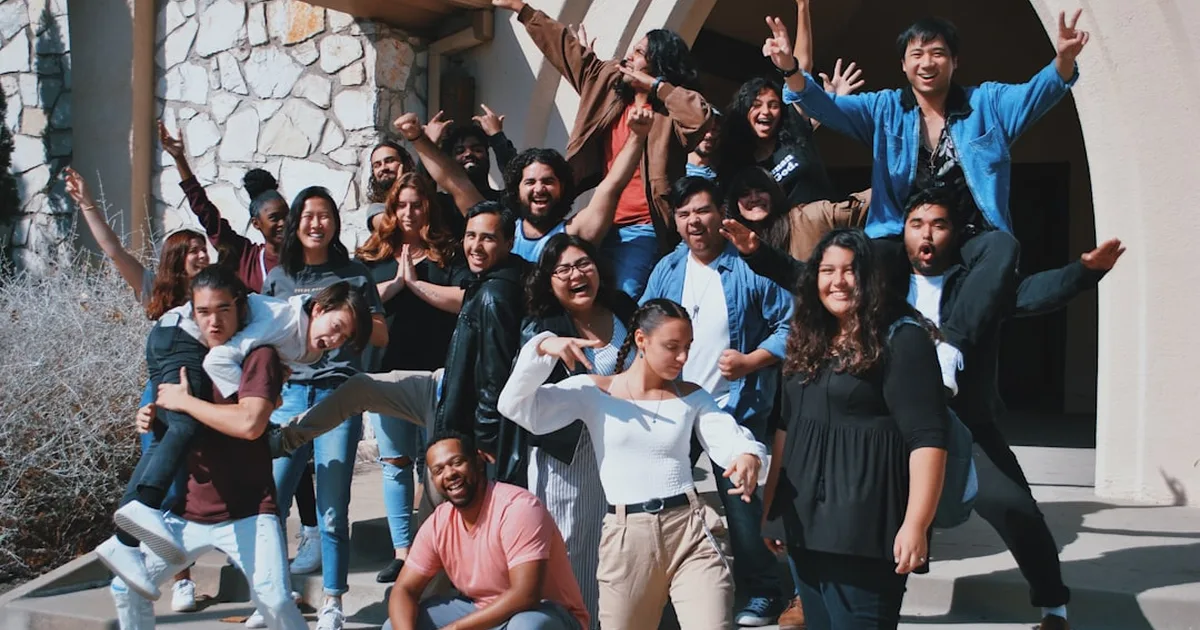
As Christians, regardless of our denominational tradition, we can draw inspiration from this historic moment to strengthen our local communities. Pope Leo XIV's visit reminds us that although our expressions of faith may vary, we share the same foundation in Christ Jesus. This event invites us to actively seek unity, not as an abstract goal, but as a living reality built day by day in our relationships and in our service to others.
In a world that often emphasizes differences, the witness of unity represented by this pastoral visit offers a powerful counterpoint. It shows that it is possible to maintain our particular identities while working together for God's Kingdom. As a global Christian community, we are called to be witnesses of this unity that transcends borders and traditions, always remembering Jesus' words: "That all of them may be one, Father, just as you are in me and I am in you" (John 17:21, NIV).



Comments