
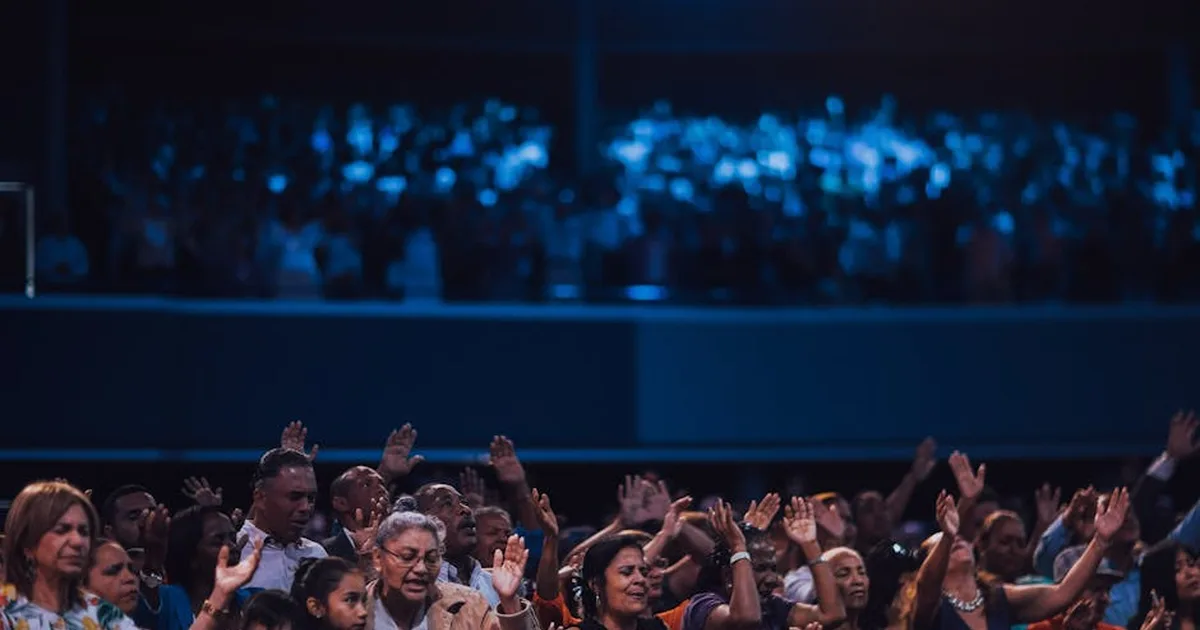
On a sunny April morning, over one hundred thousand faithful gathered at Kimbala Esplanade in Luanda for a historic moment of faith. Pope Leo XIV, on his first apostolic journey to Africa, presided over the Eucharistic celebration and, shortly after, led the traditional Regina Caeli prayer. The atmosphere was one of deep joy, characteristic of the Easter season, yet also filled with a pastoral sentiment that looks toward the world's sorrows.
Speaking directly to the hearts of those present in Portuguese, the Pontiff recalled that true Christian joy, which springs from Jesus' Resurrection, is not an escape from reality. On the contrary, it is a force that enables us to face suffering with hope. "The light of the living Christ," he affirmed, "does not extinguish the world's shadows, but gives us the courage to walk through them, transforming pain into compassion and anguish into persistent prayer."
The Shepherd's Voice in the Face of Conflict
With his gaze fixed on the war-torn landscapes that still mark our time, the Holy Father made a special and moving mention of the situation in Ukraine. His words were not political analysis, but a pastoral cry arising from the mission of being "common Father of the faithful." He expressed profound sadness at the escalation of violence and the suffering inflicted on entire populations, where families are torn apart, homes destroyed, and lives cut short.
In this context, Leo XIV renewed, with vehemence and tenderness, an appeal that echoes the deepest desire of God's heart: "May the weapons fall silent." This is not a simple request for a ceasefire, but a cry for true peace, built on justice, dialogue, and unconditional respect for the dignity of every person, created in the image and likeness of the Creator. The Pope invited all Christians and people of goodwill to join in this plea.
"Blessed are the peacemakers, for they will be called children of God." (Matthew 5:9, NIV)
In contrast to this painful picture, the Pontiff also expressed a sense of relief and hope when commenting on recent advances toward a ceasefire in Lebanon. This example was cited as a sign that the path of dialogue, however difficult, always remains open and is the only one that can lead to lasting solutions. He encouraged everyone not to give up the pursuit of peace, even when circumstances seem darkest.
Easter: The Key to Understanding Suffering and Hope
The Pope's reflection was deeply rooted in the paschal mystery that the Church celebrates. He explained that Christ's Cross and Resurrection are the lens through which believers are called to view history, including its tragedies. Suffering, in the light of faith, is not a meaningless absurdity, but a reality that, when offered to God, can become fertile ground for new life.
Just as Jesus took upon himself the pains of humanity, Christians are called to take on, through prayer and solidarity in charity, the burdens of their suffering brothers and sisters. The Regina Caeli prayer, recited that Sunday, is precisely a song of joy for the Resurrection that does not forget tears. The greeting "Queen of Heaven, rejoice, alleluia!" proclaims the victory of life, while placing us under the protection of her who, at the foot of the Cross, experienced the deepest sorrow.
"For our light and momentary troubles are achieving for us an eternal glory that far outweighs them all. So we fix our eyes not on what is seen, but on what is unseen, since what is seen is temporary, but what is unseen is eternal." (2 Corinthians 4:17-18, NIV)
The Call to Action: From Prayer to Active Charity
Pope Leo XIV's appeal goes beyond words. He invites a conversion of heart that translates into concrete gestures. First, insistent and trusting prayer for peace, offered with the perseverance of the Gospel widow who sought justice from the judge. And second, solidarity in action toward those suffering the consequences of war, whether through humanitarian aid, welcoming refugees, or working for justice in our own communities. "Faith without deeds is dead," he recalled, quoting Scripture, emphasizing that our hope in the risen Christ must become visible in active love for our neighbor.
The crowd gathered in Luanda responded with prolonged applause and chants of "Peace, peace, peace." Many carried lit candles, symbols of Christ's light dispelling darkness. At the conclusion, the Pope imparted the apostolic blessing, entrusting especially to the Virgin Mary's protection the victims of all conflicts. This encounter in Angola will stand as a powerful testimony to how the Church, pilgrim in history, carries within it both Easter joy and compassion for the world's wounds, sustained by the certainty that, in Christ, love has the final word.



Comments