
In a historic moment of significant change for the Catholic Church, following the passing of Pope Francis and the election of Pope Leo XIV, the new Pontiff has chosen to direct one of his first substantial messages to the African continent. During his visit to the Catholic University of Central Africa in Yaoundé, His Holiness spoke with a pastoral and warm tone, highlighting the crucial role Africa can play in the contemporary global landscape. His address was not merely a formal greeting, but a profound invitation to rediscover the educational vocation as a space for authentic encounter between cultures and knowledge.
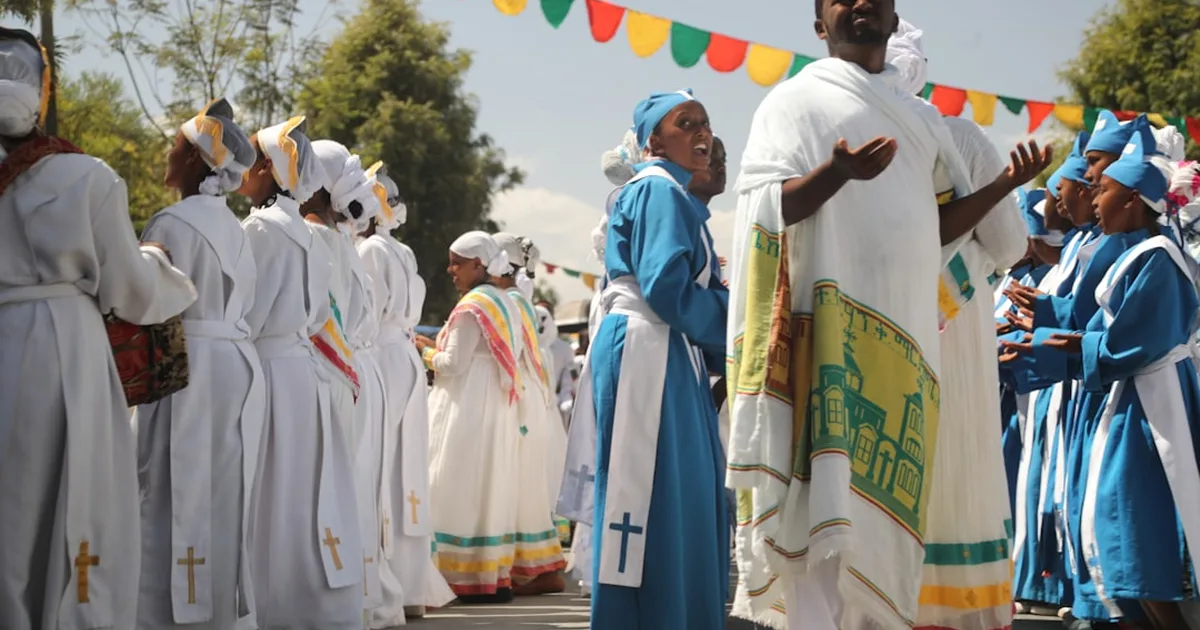
The Pontiff expressed particular gratitude for the welcome he received, acknowledging the value of an institution that, founded in 1989, represents a beacon of hope for the entire continent. In an era marked by complex challenges, the Pope's focus centered on the capacity of universities, especially Catholic ones, to become living communities where the pursuit of truth unites with the promotion of justice and solidarity. This approach reflects the ecumenical vision that characterizes the pontificate of Leo XIV, always attentive to dialogue between different Christian traditions.
Universities as Communities of Life and Inquiry
Pope Leo XIV strongly emphasized how, today more than ever, universities are called to become true places of communal life. They are not simply spaces where knowledge is transmitted, but environments where students and teachers can experience a fraternity in learning. This relational dimension is essential to fully understand the joy that comes from discovering the Truth, as the Gospel of John reminds us: "Then you will know the truth, and the truth will set you free" (John 8:32, NIV).
The Pontiff invited moving beyond a purely individualistic view of education, proposing instead a model where learning becomes an occasion for authentic encounter. In this sense, Catholic universities have a particular responsibility: to be places where faith and reason engage in fruitful dialogue, generously opening themselves to all positive influences that contribute to the growth of human consciousness. As Paul writes in the Letter to the Romans: "Do not conform to the pattern of this world, but be transformed by the renewing of your mind. Then you will be able to test and approve what God's will is—his good, pleasing and perfect will" (Romans 12:2, NIV).
The Culture of Encounter as a Response to Contemporary Challenges
A central theme of the papal address was that of the "culture of encounter," which Leo XIV presented as a response to the divisions and misunderstandings of our time. In a world often marked by isolation and prejudice, universities can become laboratories where the encounter between different cultures is concretely experienced, in mutual respect and the exchange of respective gifts. This perspective finds its foundation in the Christian vision of humanity as God's family, where every person is called to contribute with their own uniqueness.
The Pope recalled how this openness does not mean abandoning one's roots, but rather enriching them through authentic dialogue. In this context, the Christian faith is not presented as a closed system, but as a living reality that can illuminate different cultures, helping them express the best of themselves. As the Psalmist states: "Truth springs up from the earth, and righteousness looks down from heaven" (Psalm 85:11, ESV).
Africa as a Protagonist of Global Hope
Particularly significant was the attention Pope Leo XIV reserved for the specific role of the African continent. The Pontiff recognized how Africa, with its cultural and spiritual richness, can contribute in a unique way to building a more fraternal and solidary world. At a time when many young Africans seek opportunities for formation and development, Catholic universities are called to be spaces where not only technical knowledge is cultivated, but also the wisdom that springs from encounter with God and with our brothers and sisters.
The Pope's message resonated especially among the students and professors present, who saw in his words a recognition of the transformative potential of education. As a Christian community, we are called to support these institutions that, beyond their specific confessions, work for the common good and the promotion of Gospel values in society.



Comments