
Pope Leo XIV's first apostolic journey to Africa is characterized by communion and pastoral dialogue. Since his election in May 2025, the new Pontiff has made it clear that his pontificate focuses on strengthening faith and the unity of Christians worldwide. The stops in Cameroon and Angola are therefore not primarily political in nature, but an expression of closeness to local believers. In a time of transition for the Catholic Church following the passing of Pope Francis in April 2025, Leo XIV is sending a signal of both continuity and renewal.

During the flight between the two African nations, the Pope took the opportunity to speak with journalists. He emphasized the spiritual character of his mission. His aim is to listen to the voices of local churches and communities, to learn of their joys and hopes, but also their concerns and needs. This approach aligns with the pastoral style for which he was already known as a cardinal.
For local Christian communities, the Pope's visit is a significant event. It strengthens their faith and underscores their important role within worldwide Christianity. Many of the faithful hope for new impulses for their community life and for deepening their daily walk of faith. The Pope thus understands his journey as a pilgrimage to his brothers and sisters in faith.
Focusing on the Essentials: Faith and Community
In his addresses and encounters, Pope Leo XIV consistently directs attention to the central themes of Christian life. He consciously avoids getting entangled in political debates or media speculation. Instead, he recalls the Church's fundamental vocation: to bear witness to the Gospel and to carry Christ's love into the world. This witness happens primarily through concrete acts of charity and through life in community.
The Bible offers clear guidance here. The letter to the Ephesians states:
"Make every effort to keep the unity of the Spirit through the bond of peace." (Ephesians 4:3, NIV)This unity in the Spirit is not an abstract ideal but must be lived out in the day-to-day life of communities. The Pope encourages believers in Africa and around the world to actively shape this unity—with respect for different traditions and in the common confession of Jesus Christ.
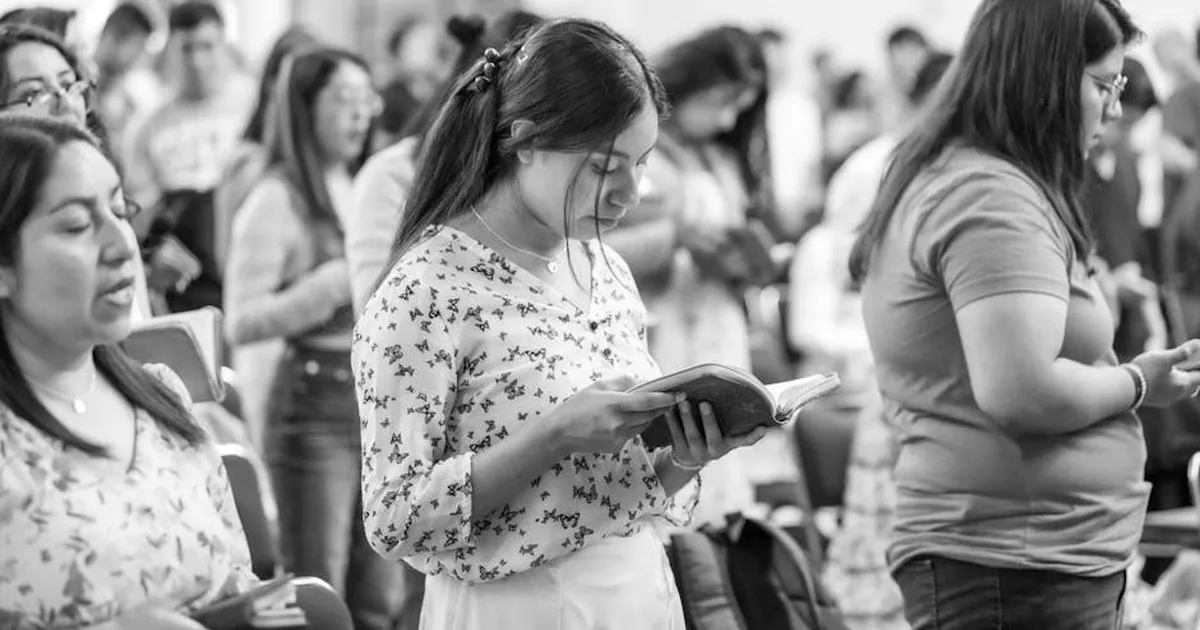
Another important aspect is spiritual renewal. In many homilies and addresses, Leo XIV stresses the necessity of a personal relationship with God. This relationship is nourished by prayer, regular participation in worship, and reading the Holy Scriptures. Only from this spiritual rootedness can authentic Christian action grow. The Pope himself sets an example of humility and focus on what is essential.
The Role of the Laity in the Community
The Pope pays special attention to the active participation of the laity in community life. In many African parishes, it is primarily the laity who, through their commitment, sustain pastoral work. They lead prayer groups, engage in charitable works, and pass on the faith to the next generation. Pope Leo XIV explicitly acknowledges this commitment and encourages its further expansion.
The Scripture passage from the first letter of Peter underscores this vocation of all the baptized:
"But you are a chosen people, a royal priesthood, a holy nation, God’s special possession, that you may declare the praises of him who called you out of darkness into his wonderful light." (1 Peter 2:9, NIV)Every Christian is thus called to be a witness of divine love—not only with words but with a life transformed by the encounter with Christ. The Pope invites a rediscovery of this baptismal dignity and to live it with joy and responsibility, especially in today's challenging contexts.
Pope Leo XIV's visit to Africa is, ultimately, an invitation to focus on what truly unites Christians: faith in Jesus Christ, hope in his Kingdom, and love that translates into service. It is a message of encouragement for local churches and a reminder for the entire global Christian community about the priority of spiritual dialogue and building bridges of fraternity.



Comments