
When Pope Leo XIV began his visit to Africa in April 2026, Christians around the world joined in prayer for this pilgrimage. Since his election in May 2025, the successor to the beloved Pope Francis has shown a pastoral heart that seeks to build bridges. His journey across the African continent was not merely a formal tour, but a concrete expression of how faith can reach places most in need of the Gospel's light.
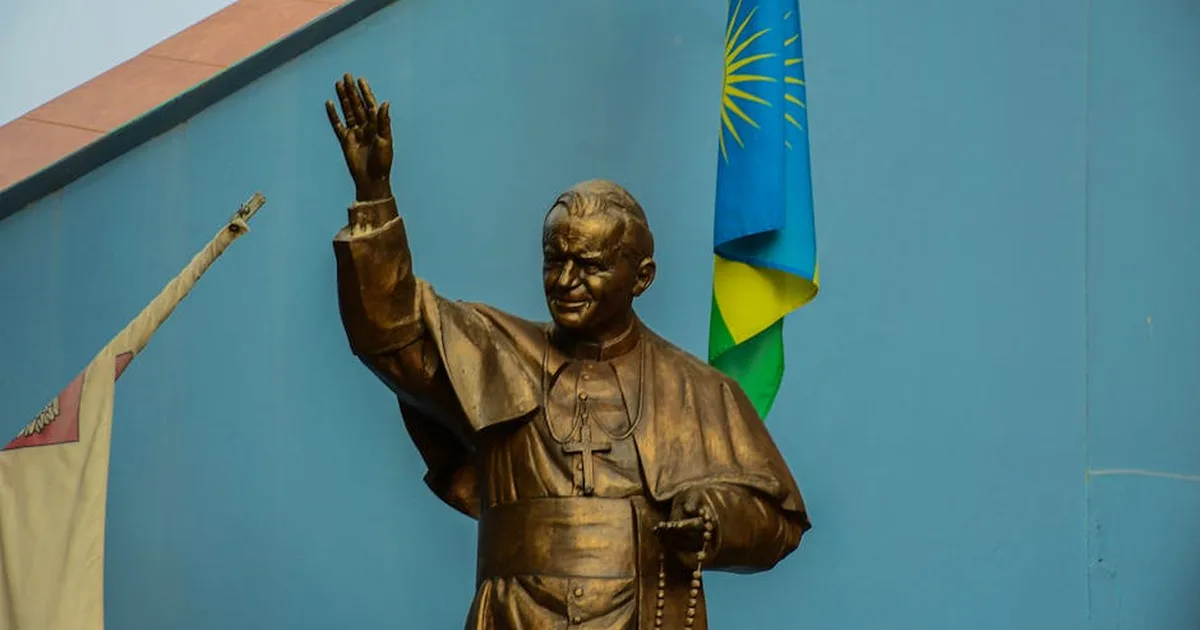
In a world where news often highlights division and violence, the presence of the Catholic Church's spiritual leader in conflict zones reminds us that God never abandons His children. As the psalmist tells us: "Even though I walk through the darkest valley, I will fear no evil, for you are with me" (Psalm 23:4, NIV). This trust in divine companionship is what encourages believers to bring hope even to the most difficult contexts.
The papal journey invites us to reflect on our own calling as Christians. How can we be instruments of peace in our own environments? In what ways does our faith move us to draw near to those who suffer? The Holy Father's visit shows us that following Christ is not abstract, but embodied in concrete gestures of solidarity and encounter.
Algeria: Faith in the Face of Fear
Pope Leo XIV's first stop was Algeria, a country with a significant Christian community that lives out its faith courageously. Unfortunately, the pontiff's arrival coincided with a violent act in the city of Blida. Although authorities remained reserved about the details, this incident reminds us of the fragility of peace in some regions of the world.
Facing this reality, the Pope's message transcended the logic of fear and retaliation. During his visit to the Monument to the Martyrs of Independence, he spoke about migration routes that have become paths of suffering. His words resonated with the compassion of Jesus, who identified with the most vulnerable: "For I was hungry and you gave me something to eat, I was thirsty and you gave me something to drink, I was a stranger and you invited me in" (Matthew 25:35, NIV).
The Holy Father's response teaches us an important lesson: Christian faith is not defined by the violence that may surround it. On the contrary, it finds in those moments the opportunity to proclaim a deeper message about human dignity and the hope that comes from God. Rather than focusing on the attack, the Pope chose to highlight the resilience of communities that keep their faith alive in challenging contexts.
The Mediterranean as a Space for Encounter
One of the most significant aspects of the papal address in Algeria was his reference to the Mediterranean. Instead of presenting it as a border that separates, he described it as a space that can unite cultures and religions. This vision aligns with the ecumenical spirit that characterizes EncuentraIglesias.com, where we believe all Christians are called to work for unity.
The sea that bathes the coasts of North Africa and Southern Europe can be seen as a metaphor for the Christian life: sometimes calm, sometimes turbulent, but always a space where God is at work. As the apostle Paul wrote: "For he himself is our peace, who has made the two groups one and has destroyed the barrier, the dividing wall of hostility" (Ephesians 2:14, NIV). This conviction should animate our dialogue with people from different traditions and contexts.
Cameroon: A Ray of Peace Amidst Conflict
If in Algeria the Pope encountered violence, in Cameroon he received a surprising demonstration of how spiritual presence can open spaces for reconciliation. Separatist groups in the English-speaking regions announced a three-day truce coinciding with the papal visit, allowing civilians and pilgrims to


Comments