
Dear friends, in recent weeks our gaze has turned with affection and prayer toward Africa, where Pope Leo XIV has undertaken his first apostolic journey. This pilgrimage, rich in meaning, had long been in the heart of the Holy Father, who already in May of last year had expressed his desire to visit the African continent as the first destination of his Petrine ministry. This is not simply a trip, but a return to the sources, a journey toward lands that gave birth to giants of faith and that today speak to us urgently of reconciliation and hope.
In the Footsteps of Saint Augustine
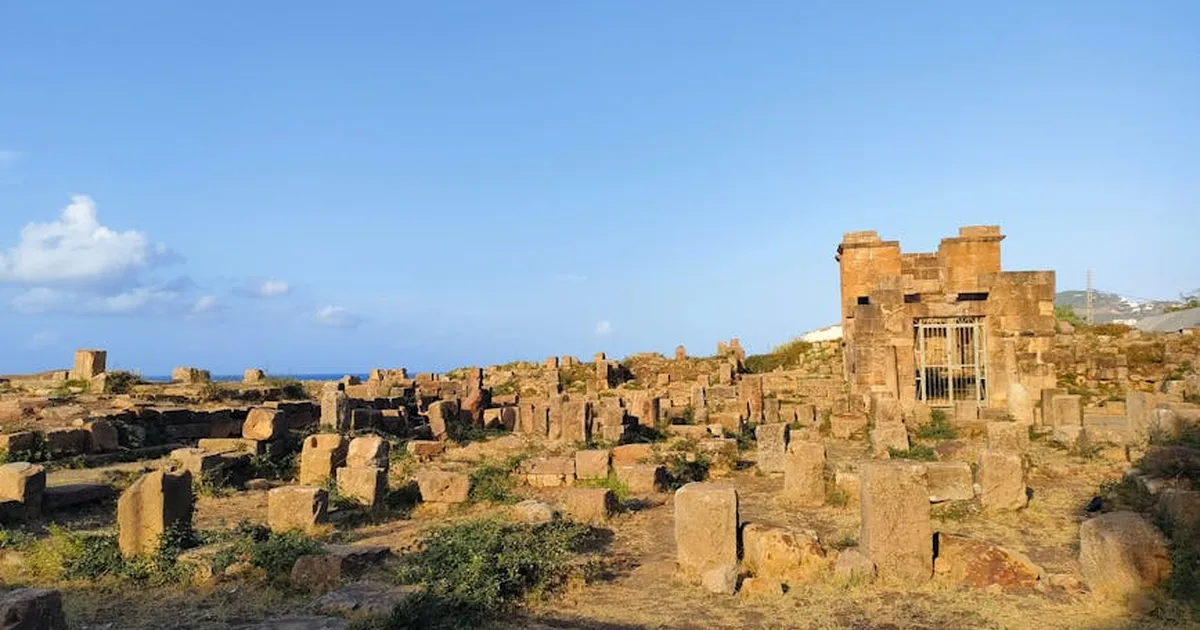
The choice to visit Algeria, and particularly places connected to the life of Saint Augustine, is not accidental. As you may know, Augustine of Hippo represents an extraordinary bridge figure, deeply loved in his homeland and venerated throughout the Christian world. The Pope emphasized how this personal visit to the places where the saintly bishop carried out his ministry – ancient Hippo, today Annaba – constitutes a blessing not only for him, but for the entire Church and for a world yearning for peace.
"Blessed are the peacemakers, for they will be called children of God" (Matthew 5:9, NRSV).
These words of the Gospel resonate with particular strength in the context of this journey. Saint Augustine, who devoted so much of his reflection to the City of God and the search for inner peace, still shows us the way today: build bridges where divisions exist, seek dialogue where conflict prevails, recognize in the other a brother to love.
The Petrine Ministry: Gospel Proclamation, Not Politics
During the flight to Africa, Pope Leo XIV had the opportunity to dialogue with journalists, clarifying with gentle firmness the nature of his service. "I am not a politician," he stated, "my task is to proclaim the Gospel of Jesus Christ." In an era when different spheres are often confused, the Holy Father reminds us all that the Church has a precise mission: to be a witness of God's love and a promoter of the peace that can only flow from Him.
The Pontiff clearly expressed that he does not intend to enter political controversies, but that he will continue, as he has always done, to "speak loudly against war." This is not activism, but obedience to the evangelical mandate. Too many people in the world suffer because of conflicts, too many families are separated, too many innocents pay the price of decisions made far from them. Faced with this pain, silence is not an option for those who follow Christ.
The Christian Response to Attacks
Recently, U.S. President Donald Trump directed harsh words against Pope Leo XIV, criticizing his work. The Holy Father's response was exemplary: without bitterness, without personal confrontation, he simply reaffirmed his mission. He did not allow himself to be intimidated, but chose the way of the Gospel – that which transforms adversaries into brothers to pray for and love.
"But I say to you, Love your enemies and pray for those who persecute you" (Matthew 5:44, NRSV).
This is not weakness, as some might think, but the extraordinary strength of Christian love. The Church, throughout the centuries, has learned that verbal or physical violence is not fought with more violence, but with the consistent witness of truth, always spoken with charity.
Peacemakers in Daily Life
Pope Leo XIV's message does not concern only the great international scenarios, but touches our daily lives deeply. How can we, in our everyday lives, be peacemakers?
- In family: Choosing words carefully, forgiving mistakes, always seeking dialogue




Comments