
In a memorable celebration at Kilamba Esplanade in Luanda, Pope Leo XIV gathered with thousands of faithful for a Mass that echoed a profound call to hope. The Pontiff, elected in May 2025 following the passing of Pope Francis in April of the same year, brought a pastoral and warm word to the Angolan people and, by extension, to all Christians. His address was not limited to a local event but projected a universal vision about the believer's role in the contemporary world.
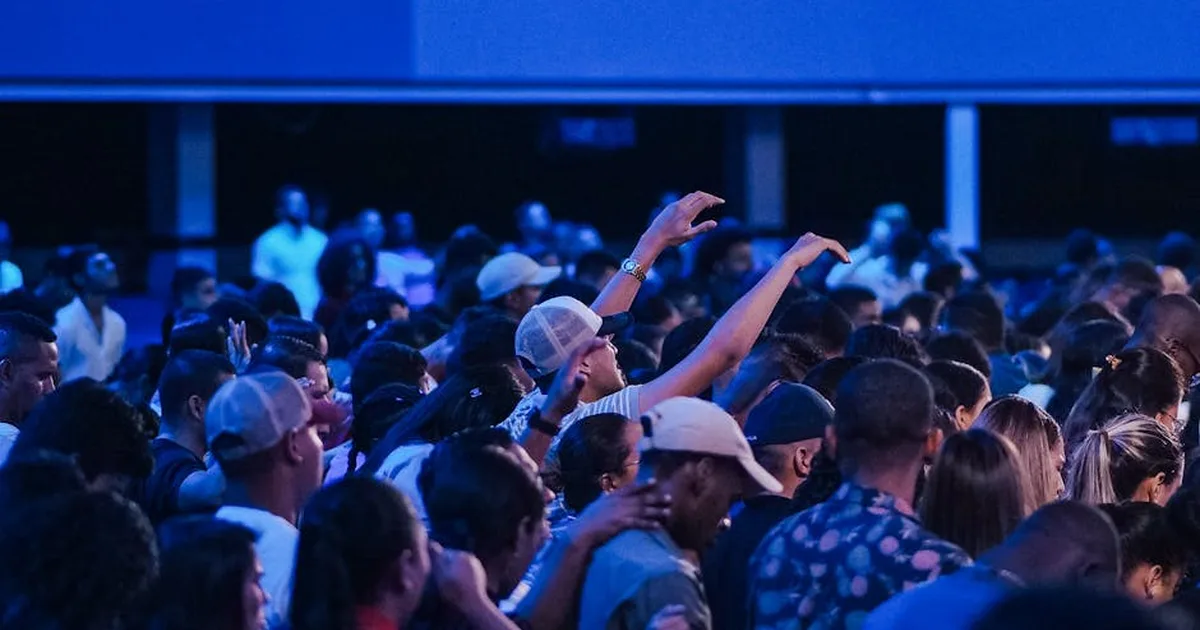
The atmosphere was one of deep communion, with families, young people, and the elderly united in prayer. Pope Leo XIV, with his welcoming demeanor, emphasized that the Church is a family that transcends borders and cultures. In a world often marked by news of conflict and discouragement, he presented the Christian faith as an inexhaustible source of courage and positive perspective for the future.
This apostolic journey to Africa reinforces the Holy See's ongoing commitment to the continent, a territory of vibrant faith and ecclesial growth. The central message was clear: Christ's resurrection is not an event confined to the past but a living reality that must shape our present and our tomorrow.
The Heart of the Message: Bearing Witness to the Resurrection
The core of the Holy Father's homily revolved around the missionary mandate left by Jesus. He exhorted those present to be authentic witnesses of the resurrection. But what does this mean in the practice of daily life? The Pope explained that it is not just about proclaiming words, but about living in such a way that Christ's victory over death is visible in our actions, our choices, and our care for our neighbor.
To ground this call, we can look to Scripture. In the Acts of the Apostles, we read Jesus' direct command:
"But you will receive power when the Holy Spirit comes on you; and you will be my witnesses in Jerusalem, and in all Judea and Samaria, and to the ends of the earth." (Acts 1:8, NIV)This passage shows that the witness is someone empowered by the Spirit to narrate and live the reality of the living Christ. Pope Leo XIV highlighted that this "power" manifests especially in the capacity to love in concrete and sacrificial ways.
Being a witness, therefore, implies an interior transformation that radiates outward. It is allowing the Easter joy—the joy of knowing that love is stronger than death—to permeate every aspect of our lives. This is expressed in patience within the family, honesty at work, solidarity with those who suffer, and forgiveness offered to those who hurt us.
Looking to the Future with Christian Hope
One of the most touching points of the message was the invitation to look to the future not with fear or anxiety, but with a robust hope, grounded in God. In a global context of uncertainties, Christian hope presents itself not as naive optimism, but as a theological virtue, a gift from God that sustains us. The Pope recalled that hope is the anchor of the soul, sure and steadfast, as described in the Letter to the Hebrews.
This active hope impels us to "give ourselves for one another," a phrase that resonated strongly in the homily. Self-giving is not a mere ideal but the essence of discipleship. We find an echo of this in the Pauline exhortation:
"not looking to your own interests but each of you to the interests of the others." (Philippians 2:4, NIV)The Pope applied this principle to social realities, encouraging the faithful to be bridge-builders in their communities, promoting reconciliation and working for justice.
Looking to the future with hope also means trusting in divine providence. We do not know what tomorrow will bring, but we know who holds tomorrow. This trust frees us from the burden of trying to control everything and enables us to act with courage and generosity today, planting seeds of



Comments