
During a meeting with participants in the Colloquium promoted by the Dicastery for Interreligious Dialogue and the Royal Institute for Inter-Faith Studies, Pope Leo XIV delivered a powerful and clear message: compassion and empathy are not mere feelings, but fundamental pillars for building a truly human society. The Pontiff emphasized that these virtues are rooted in both Christian and Muslim traditions, representing common ground on which to build bridges of dialogue and cooperation.
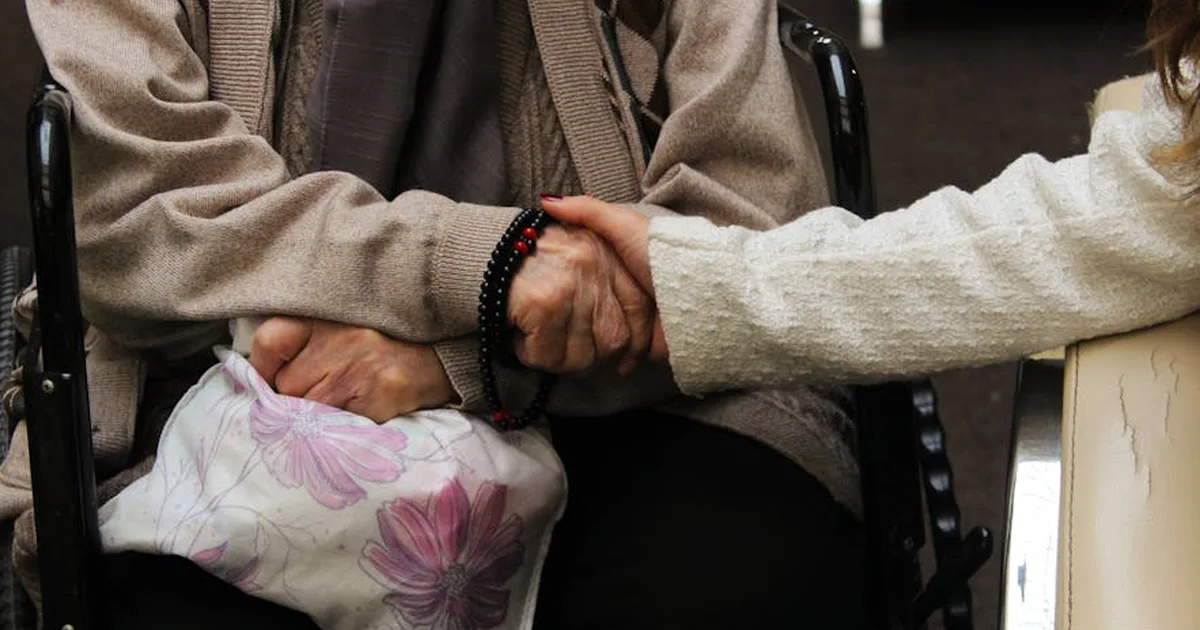
The Pope began by quoting his apostolic exhortation 'Dilexi te', highlighting that compassion is a divine gift originating in God Himself. In the Islamic tradition, he recalled, the divine name al-Ra'uf indicates that mercy and tenderness are intrinsic qualities of the Creator. Similarly, in the Christian faith, Scripture reveals a God who does not remain indifferent to human pain, but in Jesus Christ becomes flesh to share our suffering.
“God goes beyond seeing and hearing, taking on our human nature in order to become the living embodiment of compassion,” the Pope said, recalling the Gospel of Matthew (Mt 9:36) where Jesus, seeing the crowds, has compassion on them.
The Challenge of Apathy in the Digital Age
One of the central points of Leo XIV's address was his denunciation of apathy as one of the gravest spiritual challenges of our time. Technological progress, he observed, has made us more connected than ever, but paradoxically has also desensitized our hearts. Constant exposure to images of suffering through the media risks generating indifference rather than moving us to solidarity.
The Pope urged the faithful not to fall into this trap, reminding them that Christian compassion is not an option but a divine call to reflect God's goodness in daily life. For this reason, he invited Christians and Muslims to join forces to 'rekindle' humanity where it has grown cold, giving voice to those who suffer and transforming indifference into concrete solidarity.
Social Implications and the Example of Jordan
The Pontiff then linked the theme of compassion to its social implications, recalling the teaching of Pope Leo XIII that the poor and marginalized deserve special attention from society and the state. In this context, he expressed appreciation for the efforts of the Hashemite Kingdom of Jordan in welcoming refugees and assisting the needy, calling this example a model of compassion in action.
Leo XIV stressed that authentic compassion translates into concrete acts of care for the most vulnerable, especially in an era marked by conflicts, forced migrations, and growing inequalities. He cited the parable of the Good Samaritan (Lk 10:25-37) as the paradigm of the Christian response to suffering: a love that becomes neighbor, that bends over the wounds of others, and that does not shy away from need.
A Common Path for Christians and Muslims
Interreligious dialogue was another key theme of the meeting. The Pope reiterated that Christians and Muslims, despite their differences, share the conviction that compassion is a gift from God and a human responsibility. He encouraged them to continue the path of collaboration already begun, to promote together peace, justice, and care for creation.
In a world often torn by divisions and conflicts, the common witness of faith and charity can become a prophetic sign. The Pontiff concluded his address with a pressing invitation: “Let us not allow indifference to cool our hearts. We are called to be artisans of compassion, building bridges where there are walls, bringing hope where despair reigns.”



Comments