
At a particularly delicate historical moment for many Christian communities worldwide, Pope Leo XIV offered words of encouragement and hope during his recent pastoral visit to Cameroon. The Holy Father, elected in May 2025 following the passing of Pope Francis, has demonstrated from the first months of his pontificate particular attention toward regions suffering from conflicts and social tensions. His pilgrimage to Africa represents not merely a formal visit, but a concrete gesture of closeness to those living in daily suffering.

The northwestern region of Cameroon, site of the encounter with thousands of faithful, has for years been marked by divisions and violence that have deeply wounded the social fabric. In this difficult context, the presence of the Successor of Peter took on special significance, becoming a visible sign of the universal Church's concern for every local community. As the apostle Paul writes: "And hope does not put us to shame, because God's love has been poured out into our hearts through the Holy Spirit, who has been given to us" (Romans 5:5).
The Challenges That Break the Heart
In his homily, Pope Leo XIV realistically acknowledged the numerous difficulties afflicting not only Cameroon but many African nations. Material poverty, which in some areas manifests through genuine food crises, represents an open wound in the social body. To this are added moral and institutional problems that prevent harmonious community development. Corruption, in particular, is identified as a serious obstacle to the flourishing of justice and human dignity.
The Pontiff further emphasized how educational and healthcare systems, fundamental pillars of every healthy society, are often compromised by these negative dynamics. The consequent migration of young people, seeking elsewhere opportunities denied in their homeland, deprives communities of the vital lifeblood needed to build the future. These realities, though painful, should not however lead to resignation. As the Psalmist reminds us: "The Lord is my shepherd, I lack nothing. He makes me lie down in green pastures, he leads me beside quiet waters" (Psalm 23:1-2).
Wounds That Come from Outside
Beyond internal problems, Pope Leo XIV called attention to external dynamics that worsen situations of difficulty. The exploitation of natural resources by foreign interests, often motivated solely by profit, deprives local populations of the goods God made available to all his children. This awareness does not arise from a spirit of condemnation, but from the will to denounce injustices that contradict the Creator's original design.
The Christian faith, in this context, does not represent an escape from reality but an interpretive key that allows recognition of both human dignity and the structures of sin that threaten it. The Gospel invites us to look with eyes of compassion, as Jesus did before the weary and burdened crowds, "like sheep without a shepherd" (Matthew 9:36).
The Transformation Born from Hope
The heart of Pope Leo XIV's message lies in the invitation not to surrender before difficulties. Resignation, the Holy Father emphasized, represents a spiritual danger as serious as material problems. When we grow accustomed to injustice, when we passively accept situations that contradict human dignity, we betray our vocation as Christians called to be "salt of the earth and light of the world" (Matthew 5:13-14).
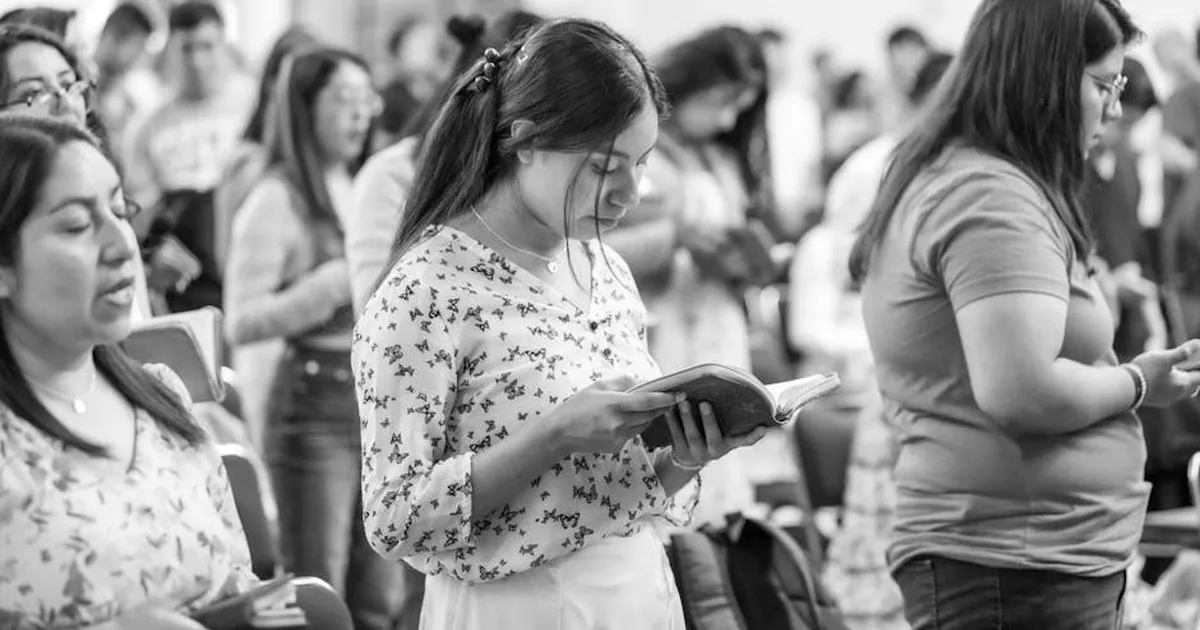
The Word of God, the Pontiff recalled, possesses unique transformative power. It does not merely console afflicted hearts, but sets them in motion, drives them to action, and gives them the courage needed to face challenges. This active hope is what can heal our wounded societies and build a better future for all.



Comments