
Dear brothers and sisters, when we look back at the recent history of the Church, we find figures who have left a deep mark on the hearts of believers. Pope Francis, whose papacy concluded on April 21, 2025, was one of those shepherds whose ministry was characterized by extraordinary closeness to God's people. His departure invites us not only to remember statistics but to reflect on the spirit that guided his service to the universal Church.
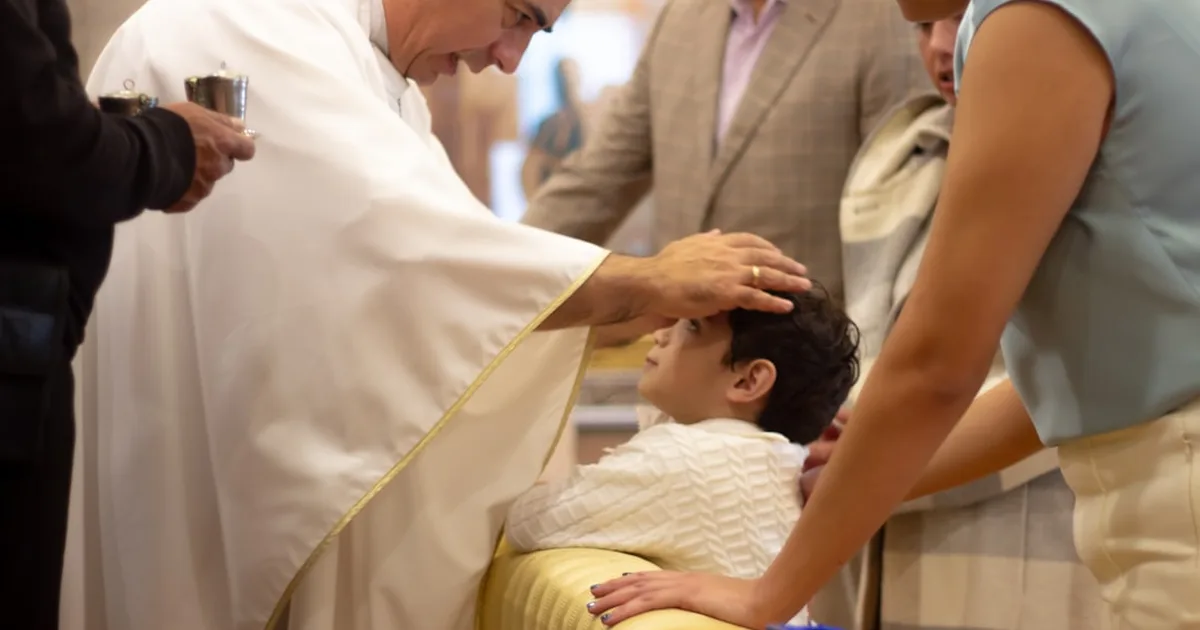
A shepherd who went out to meet people
For over twelve years, Pope Francis showed a special preference for being present where communities needed to hear words of hope. He made numerous trips to different continents, carrying a message of reconciliation and fraternity. Beyond exact numbers, what truly matters is the constant gesture of a Bishop of Rome who wanted to be, above all, an accessible shepherd, a spiritual father who embraced the joys and sorrows of diverse peoples.
This pastoral style reminds us of Jesus' words in Matthew's Gospel:
"When he saw the crowds, he had compassion on them, because they were harassed and helpless, like sheep without a shepherd" (Matthew 9:36, NIV).Francis embodied this compassion, feeling in his heart the weariness and hopes of so many brothers and sisters around the world.
The enduring teaching
Pope Francis's magisterium was distinguished by its direct language and its ability to connect faith with the concrete challenges of our time. Through documents, homilies, and encounters, he insisted on themes like mercy, care for creation, and the preferential option for the poor. His teaching didn't remain in abstract theories but always sought to illuminate the path of disciples who wish to follow Christ in today's world.
In his writings, he frequently invited us to look beyond our certainties, to go out of ourselves to serve others. This call resonates with Paul's exhortation:
"Each of you should look not only to your own interests, but also to the interests of others" (Philippians 2:4, NIV).
A style that reflected the Gospel
What many will remember with special affection was Pope Francis's simple and welcoming style. His spontaneous gestures, his hugs with sick or marginalized people, his way of speaking from the heart—all conveyed a pastoral warmth that made God's love tangible. In an era where religion can sometimes seem distant or formal, he showed that Christian faith is, above all, a personal encounter with a God who loves us as children.
This approach makes us think about how Jesus himself related to people: welcoming children, eating with sinners, healing the sick, listening to those nobody listened to. Francis, in his way of being pope, tried to reflect this same divine accessibility.
The transition in the See of Peter
With the passing of Pope Francis in April 2025, the Church experienced a moment of mourning and transition. In May of the same year, the cardinals gathered in conclave elected Cardinal Robert Francis Prevost as the new Bishop of Rome, who took the name Leo XIV. Each successor in the See of Peter brings his own gifts and emphases, while continuing the mission of confirming brothers and sisters in the faith.
This apostolic succession reminds us that the Church doesn't depend on a single person, but on Christ, its permanent foundation. As Scripture says:
"For no one can lay any foundation other than the one already laid, which is Jesus Christ" (1 Corinthians 3:11, NIV).Popes come and go, but the rock on which the community of believers is built remains firm.
What we can learn today
The pastoral legacy of Pope Francis remains relevant for all Christians. His example encourages us to cultivate a faith that is close, merciful, and committed to those most in need. In our daily walk, we can imitate his spirit of service and his trust in divine providence.
May the memory of his ministry inspire us to live our Christian vocation with authenticity and dedication, knowing that every act of love contributes to building God's Kingdom here on earth.



Comments