
In the life of the Church, time does not erase the presence of shepherds who have walked with God's people. One year after his passing on April 21, 2025, the figure of Pope Francis continues to resonate in the hearts of many believers worldwide. His physical absence has not diminished the impact of his ministry, which remains a living source of inspiration for those seeking to live the Gospel authentically. As Scripture reminds us:
"The memory of the righteous is a blessing" (Proverbs 10:7, ESV). This verse invites us to look upon the past not with sterile nostalgia, but as a treasure that enriches our present.
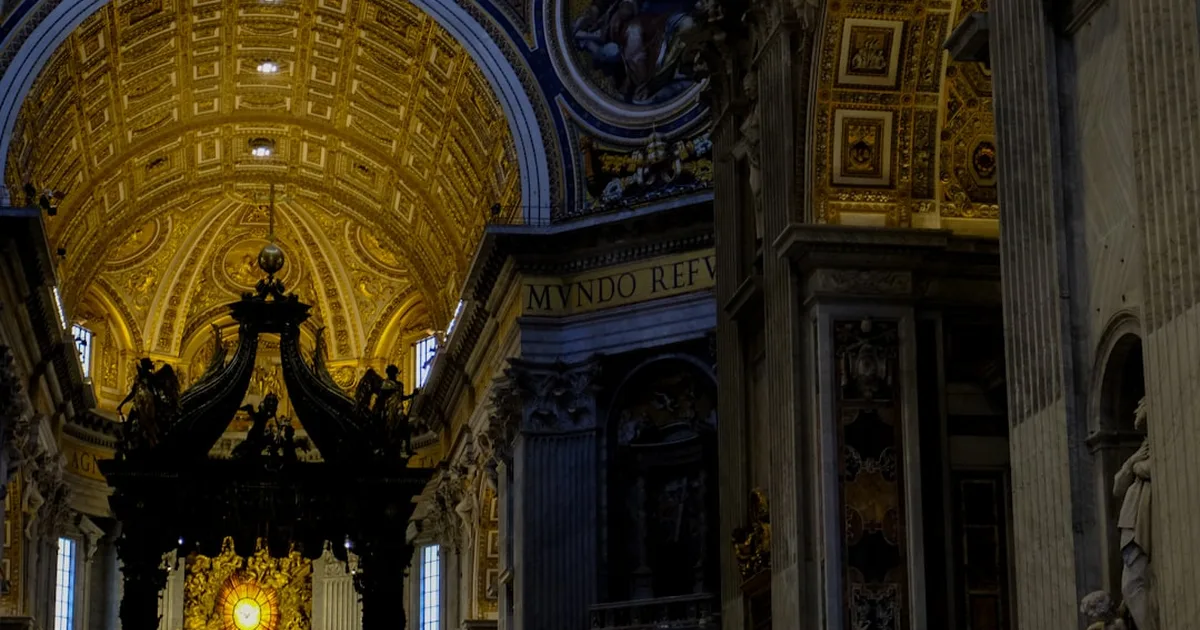
Pope Leo XIV, elected in May 2025, recently expressed his spiritual closeness to those remembering his predecessor. While engaged in an apostolic journey through Africa, the pontiff emphasized how the memory of Francis is particularly alive at this time. His letter to the College of Cardinals represents a gesture of ecclesial unity that transcends geographical distances, demonstrating how communion in faith overcomes every boundary.
In various Christian communities, celebrations and prayer moments have been organized to commemorate this anniversary. These initiatives are not mere rituals, but concrete expressions of that "grateful memory" that characterizes God's people throughout the centuries. As Christians, we are called to safeguard and transmit the good we have received, recognizing in every witness of faith a gift of the Holy Spirit to the Church.
The Heart of the Message: Mercy as a Way of Life
If we were to identify the central core of Pope Francis's teaching, we would likely agree on the theme of mercy. Not as an abstract concept, but as a concrete experience to live and share. His teaching reminded us that
"God, being rich in mercy" (Ephesians 2:4, ESV)is not just one divine attribute among many, but the essential quality of the relationship between God and humanity. Francis succeeded in translating this theological truth into accessible language, touching the deepest chords of human experience.
His expressions that became familiar – "the smell of the sheep," "the Church as a field hospital," "the culture of encounter" – were not mere slogans, but genuine programs for Christian living. Each of these images points to a specific dimension of the Gospel: closeness to those who suffer, unconditional welcome, respectful dialogue. Through this innovative language, he made the perennial newness of Christ's message perceptible to the women and men of our time.
Particularly significant was his constant call to the "poor, marginalized, and last on earth." In this, Francis showed himself a faithful disciple of that Master who declared:
"The Spirit of the Lord is upon me, because he has anointed me to proclaim good news to the poor" (Luke 4:18, ESV). His preferential attention for the excluded was not a sociological option, but a necessary consequence of adherence to the Gospel.
Mercy in Action
How does this call to mercy translate into daily practice? We can identify at least three concrete dimensions:
- Patient Listening: taking time to understand others' stories without rushing to judge
- Offered Forgiveness: breaking the chain of resentment with the courage of reconciliation
- Active Compassion: not limiting oneself to feelings of pity, but committing to alleviate suffering
These attitudes, if cultivated consistently, can transform not only personal relationships but also the face of our communities. Mercy is not a passing sentiment, but a transformative force that springs from God's heart and becomes flesh in our daily actions. Pope Francis taught us that every act of kindness, however small it may seem, contributes to building a more human world closer to the Kingdom that Jesus proclaimed.



Comments