
Pilgrimage is a centuries-old tradition that connects Christians around the world. It offers a chance to leave daily routines behind, focus on what truly matters, and encounter God in stillness. In many countries, churches begin planning pilgrimages in the spring. These journeys strengthen not only individual faith but also the church community.

The Bible is filled with examples of journeys. Psalm 84:5 says, "Blessed are those whose strength is in you, whose hearts are set on pilgrimage" (NIV). This verse highlights the spiritual dimension of traveling. To go on a pilgrimage is to set out to draw closer to God and experience His guidance.
Diverse Pilgrim Groups and Their Needs
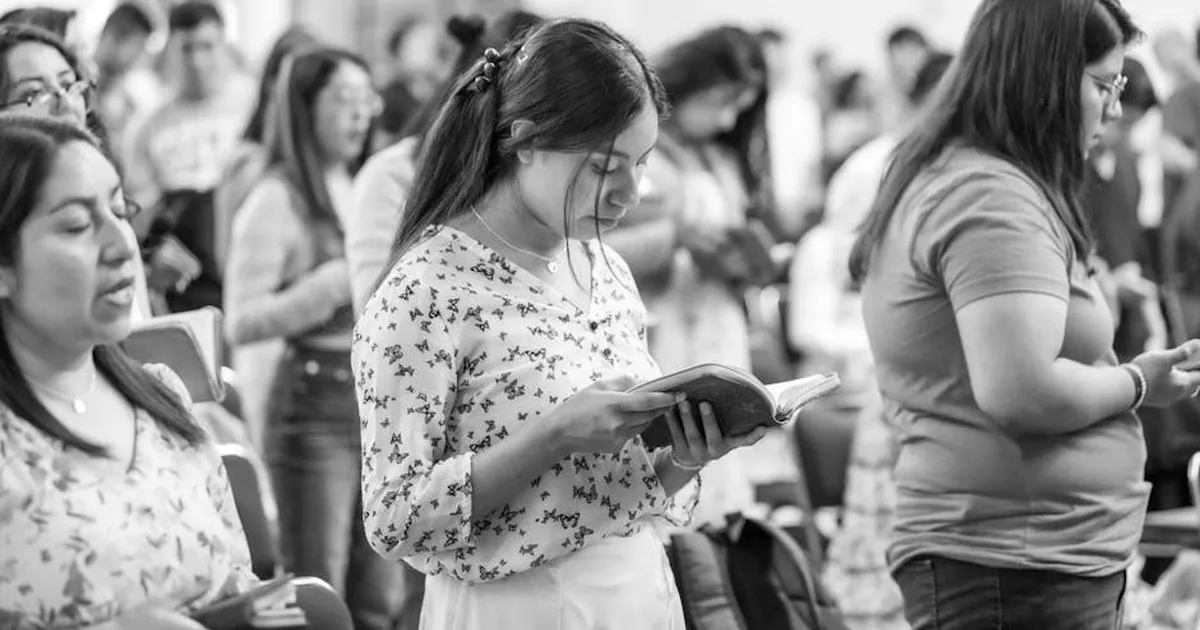
Pilgrimage sites such as the Camino de Santiago or the Holy Land welcome a diverse mix of visitors every year. Among them are families, youth groups, seniors, and people from various cultural backgrounds. Each group has different expectations and requirements. While young people often seek modern offerings like workshops or music, older pilgrims value traditional services and accessible paths.
Churches organizing a pilgrimage should analyze their group's composition beforehand. This includes considering participants' physical fitness, as well as cultural and linguistic nuances. For instance, pilgrims from Latin America often appreciate extended prayer times and emotional sermons, while Scandinavian groups may prefer silence and meditation. Preparing for this diversity is crucial for a successful journey.
Practical Tips for Organization
- Early planning: Book accommodations and transportation well in advance, especially during peak season.
- Spiritual accompaniment: Ensure that spiritual guides are available for conversations and prayers.
- Flexible schedule: Offer both structured activities and free time for personal reflection.
Biblical Foundations of Pilgrimage
Scripture is full of stories of departure and travel. Abraham left his homeland at God's command (Genesis 12:1-4). The people of Israel journeyed through the wilderness to the Promised Land. And Jesus himself traveled extensively to teach and heal. Hebrews 13:14 compares the life of believers to a pilgrimage: "For here we do not have an enduring city, but we are looking for the city that is to come" (NIV).
This thought comforts and encourages Christians who set out on a journey. Pilgrimage is a visible sign that we are only sojourners on earth and that our true home is with God. It reminds us that every step can be taken in faith.
Preparation in the Church: A Guide
Before a pilgrimage begins, thorough preparation in the church is essential. This includes information sessions to discuss the itinerary, as well as spiritual inputs to prepare participants for the journey. A blessing service before departure can consecrate the group and place them under God's protection.
It is also important that the church spiritually accompanies the pilgrims, even if they do not travel. This can happen through intercessory prayers during services or a prayer chain that continues throughout the journey. In this way, the community remains connected, even when some are away.
"The Lord bless you and keep you; the Lord make his face shine on you and be gracious to you; the Lord turn his face toward you and give you peace." (Numbers 6:24-26, NIV)
Questions for Personal Reflection
What motivates you to go on a pilgrimage? What do you hope to find along the way? How can your community support you in this spiritual experience? Pilgrimage is an opportunity to renew faith and strengthen bonds with God and with others.



Comments