
In a world increasingly aware of our environmental footprint, one artist is blending creativity with stewardship in a truly unique way. Harriet Riddell, a textile artist known for her vibrant landscape scenes, recently completed a stunning piece depicting Winchester Cathedral—not with a conventional electric sewing machine, but with one powered entirely by human pedal power. For three days in mid-April, visitors to the cathedral could see Riddell at work, her feet pumping a modified bicycle that drove the needle through fabric.
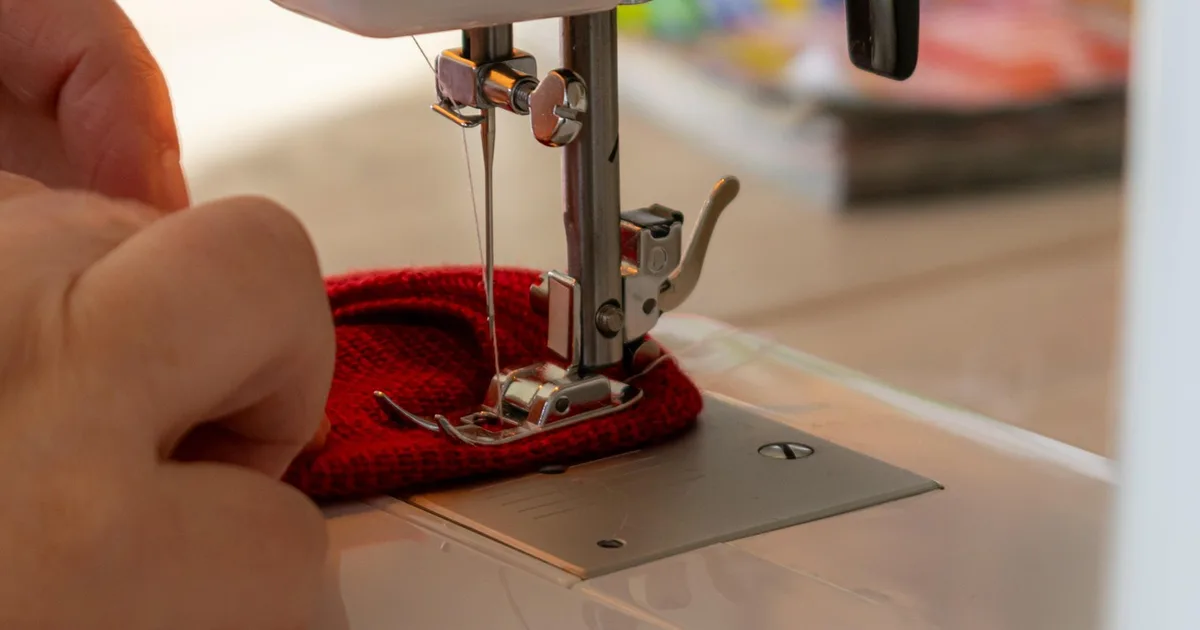
This approach is more than a gimmick; it's a statement about how we can honor God's creation while creating beauty. As Genesis 2:15 reminds us,
“The Lord God took the man and put him in the garden of Eden to work it and keep it.” (ESV)Riddell's work embodies this principle, showing that our creative gifts can be exercised in harmony with the earth.
Why a Cathedral? A Symbol of Community and Faith
Winchester Cathedral, with its千年 history and stunning Gothic architecture, was the perfect subject for this project. Cathedrals have long been centers of community life, places where people gather to worship, celebrate, and mourn. By choosing such a landmark, Riddell invites viewers to reflect on the role of sacred spaces in our lives.
The act of sewing itself becomes a metaphor for the Church. Just as threads are woven together to form a cohesive image, so believers are knit together in community. Paul writes in Colossians 2:2,
“...that their hearts may be encouraged, being knit together in love...” (ESV)Riddell's work visually captures this spiritual truth, reminding us that each person has a part to play in the body of Christ.
The Power of Human Connection
The pedal-powered sewing machine also highlights the importance of human connection in an increasingly automated world. In an age of fast fashion and mass production, Riddell's slow, deliberate process is a countercultural witness. It echoes the biblical call to be present and intentional in our work.
As she pedaled, visitors stopped to watch, ask questions, and even try pedaling themselves. This interactive element transformed the art into a shared experience, fostering community—a core value of the Christian faith. The book of Hebrews encourages us to
“consider how to stir up one another to love and good works” (Hebrews 10:24, ESV), and Riddell's project did exactly that.
Stewardship and Creativity: A Biblical Call
Riddell's use of renewable energy is a practical example of environmental stewardship, a theme woven throughout Scripture. From the beginning, God entrusts humanity with the care of creation (Genesis 1:28). In the New Testament, we are called to be faithful stewards of all God has given us (1 Peter 4:10).
By using pedal power, Riddell reduces her carbon footprint and sparks conversations about sustainability. Her art challenges us to think about how our own talents and resources can be used to honor God and care for the planet. As Psalm 24:1 declares,
“The earth is the Lord's and the fullness thereof, the world and those who dwell therein” (ESV)—a reminder that our creative endeavors should reflect our reverence for the Creator.
Lessons for the Church Today
This story offers several takeaways for Christian communities. First, it encourages us to embrace creativity as a form of worship. Whether through art, music, or other expressions, our creativity can point others to God. Second, it challenges us to consider our environmental impact and seek sustainable practices in our church life. Finally, it reminds us of the power of collaboration: the artist, the cathedral, and the community came together to create something beautiful.
Imagine if our churches became spaces where sustainable artistry and community engagement flourished. What if we saw our buildings and gatherings as opportunities to demonstrate care for creation and for one another? Riddell's project is a small but inspiring example of what that could look like.
Practical Application: Weaving Faith into Daily Life
As you reflect on this story, consider your own gifts. How can you use your talents—whether sewing, teaching, gardening, or something else—to serve God and neighbor? Perhaps you can start a small project that combines creativity with environmental stewardship. Or maybe you can simply be more mindful of the resources you use, seeing them as gifts from God to be cherished.
Take a moment to pray: Lord, help me to be a good steward of the creativity and resources you have given me. Show me how to weave love, community, and care for your creation into my daily life. Amen.
Question for reflection: What is one small step you can take this week to use your talents in a way that honors God and blesses others?




Comments