
Translating the Bible into more and more languages is an impressive testament to the desire to make God's Word accessible to everyone. The United Bible Societies has announced in its latest report that the Bible — in full or in part — has now been translated into 4,121 languages. This is a new record. With an estimated 7,400 languages worldwide, the Bible is now available in over half of them. No other book can claim such reach.

How Translation Work Is Organized
Behind this number lies the work of many Bible societies and translation teams. They often labor for years on a project, supported by local churches and communities. The United Bible Societies coordinates this effort and ensures translations are linguistically and theologically reliable.
Translating the Bible is a complex process. It requires not only language skills but also a deep understanding of the biblical context. Translators must decide whether to translate literally or dynamically, and take cultural nuances into account. This way, the Bible's message becomes understandable without distorting its original meaning.
The Role of Technology in Translation
Modern technologies like translation software and databases ease the work. They help maintain consistency and avoid errors. Yet human expertise remains indispensable. Every translation is reviewed by native speakers and theologians before publication.
Significance for Churches Worldwide
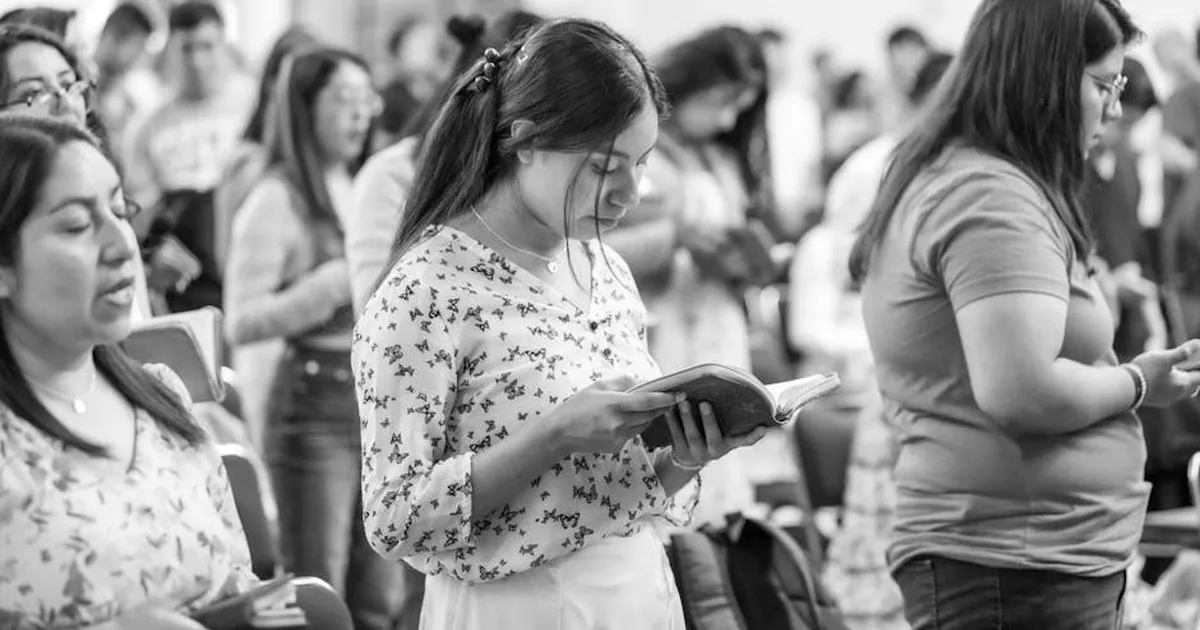
For churches, having the Bible in their own language is a treasure. It allows believers to read and understand God's Word personally. In worship services, the congregation can hear Scripture in their mother tongue, deepening their faith. Especially in regions where Christians are a minority, Bible translation strengthens identity and community life.
Translation work also has a missionary dimension. It opens doors for dialogue with people of other cultures and religions. Having the Bible in one's own language is a sign of respect for that culture and language.
“For God so loved the world that he gave his one and only Son, that whoever believes in him shall not perish but have eternal life.” (John 3:16, NIV)
This verse is known in many languages and shows how the message of God's love reaches people everywhere.
Challenges and Outlook
Despite the success, there are still many languages where the Bible is not translated, or only in part. Small languages and dialects are often underserved. The work is time-consuming and costly. The United Bible Societies estimates that about 3,300 languages still await a translation. This requires continued commitment and support.
Another issue is political instability in some regions. Translators sometimes work under difficult conditions. Yet they continue because they see the need for the Bible in every language.
Practical Application for Churches
Churches can support translation work by praying for translators and providing financial help. Many Bible societies offer sponsorship for translation projects. Awareness of the diversity of languages within one's own congregation can also be strengthened. Perhaps there are people in your church who speak a different mother tongue. Ask them if they have the Bible in their language. It can be an enriching exchange.
Let us consider how




Comments