
At a pivotal moment for Brazil's future, the launch of the new National Education Plan invites us to reflect on the Christian community's role in shaping new generations. As followers of Christ, we are called to be salt of the earth and light of the world, and this includes our active participation in building a more just and fraternal society through education. The apostle Paul reminds us in Romans 12:2: "Do not conform to the pattern of this world, but be transformed by the renewing of your mind. Then you will be able to test and approve what God's will is—his good, pleasing and perfect will" (NIV). This transformation begins precisely in how we understand and practice education.
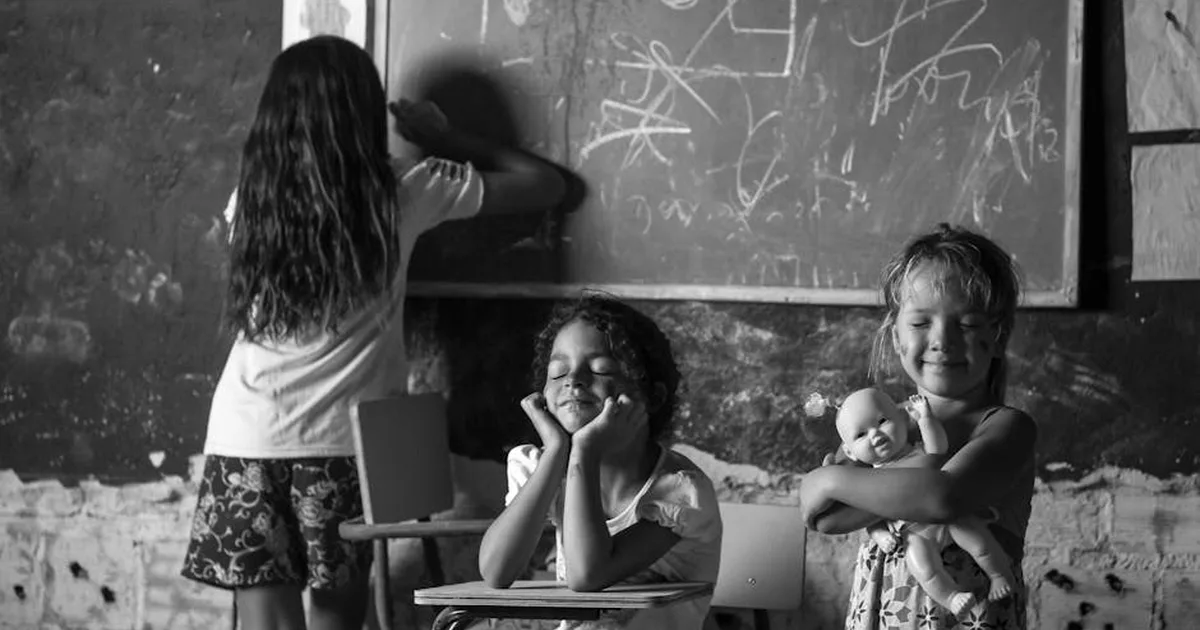
Christian education goes beyond transmitting academic knowledge. It involves the holistic formation of the person, considering their spiritual, emotional, social and intellectual dimensions. When we look at Jesus' teachings, we see that He always cared about the complete development of the people He encountered. His parables, miracles and conversations revealed a teacher who formed disciples capable of thinking, questioning and applying teachings in their lives.
In this context, the Church has a unique opportunity to contribute to Brazilian society. Not only through confessional educational institutions, but also through the life witness of every Christian involved with education—whether as teacher, parent, volunteer, or simply as a citizen concerned about children and youth's future.
Educational Challenges and the Christian Response
Brazil faces significant challenges in education. Unequal access, variable quality and lack of resources are realities affecting millions of children and youth in our country. As a faith community, we cannot close our eyes to these needs. The prophet Isaiah guides us: "Learn to do right; seek justice. Defend the oppressed. Take up the cause of the fatherless; plead the case of the widow" (Isaiah 1:17, NIV). This passage reminds us that our faith must translate into concrete actions promoting justice and dignity for all.
The 19 objectives of the new education plan represent an opportunity for reflection and action. Among established goals, expanding access to daycare centers deserves special attention from Christian communities. The early years of life are fundamental for human development, and the Church has valuable tradition and experience in child care. Many congregations already maintain nurseries and preschools serving not only members' children but also the surrounding community.
It's important to emphasize that, as an ecumenical platform, EncuentraIglesias.com recognizes and values different contributions various Christian traditions can offer Brazilian education. From Catholic schools with their long history in the country to educational initiatives from historical Protestant and Evangelical churches, all have something precious to contribute to new generations' formation.
The Family's Role in Christian Education
Before considering public policies or formal institutions, we need to recognize that education begins at home. The book of Deuteronomy gives us precious guidance: "These commandments that I give you today are to be on your hearts. Impress them on your children. Talk about them when you sit at home and when you walk along the road, when you lie down and when you get up" (Deuteronomy 6:6-7, NIV). This passage shows us that transmitting values and knowledge should be a continuous process, integrated into daily life.
Christian families have the responsibility and privilege of being their children's first educators. This includes not only formal teaching but primarily life example, values transmitted daily, and cultivating an authentic relationship with God. In a world where so many voices compete for our youth's attention, the Christian home should be a space where they learn to discern, love truth and serve their neighbor.
We recall that Pope Leo XIV, in his recent message to Catholic educators, emphasized the importance of forming "whole persons who know how to love and serve." This vision aligns with the ecumenical call to form Christ's disciples committed to the common good. Authentic Christian education doesn't separate faith from reason nor spirituality from concrete action in the world.
As a community of believers, we are called to be transformation agents in education. Whether participating in school councils, supporting Christian teachers in their vocation, creating tutoring spaces in our churches, or simply praying for our nation's education—every contribution matters. Promoting Gospel values like justice, mercy and truth can make a real difference in the quality of education our children and youth receive.
Finally, let's remember that holistic Christian education isn't an isolated project but part of our mission to proclaim God's Kingdom. Forming people who know Christ and live according to His teachings is perhaps the most important contribution we can make to our society's future. May the Holy Spirit guide us on this path, inspiring us to be creative, persevering and full of hope in our educational work.


Comments