
In a world marked by rapid changes and complex challenges, the formation of new generations presents itself as a sacred mission for the Christian community. Recently, during a pastoral visit to Equatorial Guinea, Pope León XIV gave special attention to this theme while participating in the inauguration of a new university campus. His speech, filled with hope and pastoral wisdom, invites us to reflect on the true meaning of education from the perspective of faith.
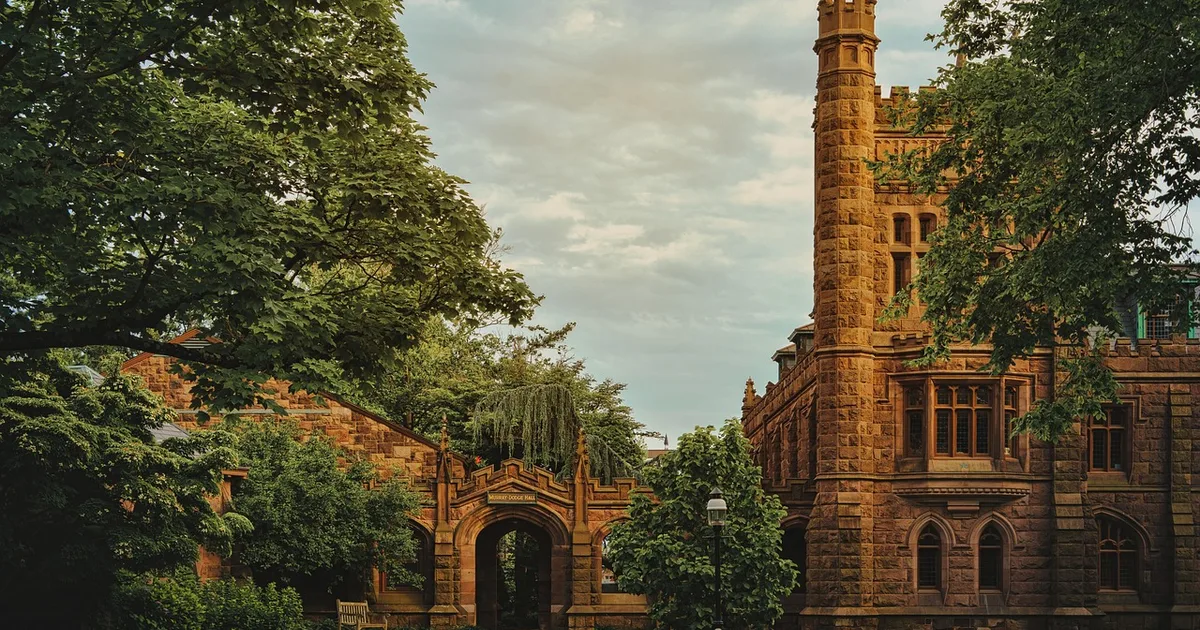
When honored with a space bearing his name, the Pontiff emphasized that such a gesture represents much more than a simple ceremony. It is, above all, a declaration of trust in human potential and a commitment to the future. "Investing in education affirms that it's worth dreaming of a better world," expressed the Holy Father, connecting this vision with the Christian call to be salt of the earth and light of the world.
As God's Word reminds us:
"Start children off on the way they should go, and even when they are old they will not turn from it." (Proverbs 22:6, NIV)This verse guides us about the lasting importance of solid formation that prepares young people not only for professional success, but for a life of meaning and service.
The Pillars of Holistic Formation
Holistic education, as advocated by Pope León XIV, goes far beyond the transmission of academic knowledge. It encompasses four fundamental dimensions that complement and enrich each other, forming complete people prepared for the challenges of our time.
Intellectual Development with Purpose
Intellectual growth should be cultivated with responsibility and discernment. In a world where contradictory information competes for our attention, young people need to develop critical capacity and practical wisdom. Christian education values knowledge, but always guided by the pursuit of truth and service to the common good.
As the apostle Paul wrote:
"Do not conform to the pattern of this world, but be transformed by the renewing of your mind. Then you will be able to test and approve what God's will is—his good, pleasing and perfect will." (Romans 12:2, NIV)This renewal of the mind represents exactly the kind of transformation that holistic education can promote.
Spiritual and Moral Growth
The spiritual dimension constitutes the heart of holistic formation. Without a solid moral foundation and connection with the transcendent, all technical knowledge risks becoming empty or even dangerous. The Pope warned about "deviations of knowledge" that occur when science and technology are separated from ethical values and social responsibility.
In this aspect, Christian communities have an irreplaceable role. Through catechesis, youth groups, celebrations, and the living witness of the faithful, the Church offers a privileged space for the spiritual development of new generations.
Human and Relational Formation
True education prepares people to live in community, respecting the dignity of every human being. This includes developing empathy, dialogue skills, respect for differences, and commitment to social justice. In an increasingly fragmented world, these relational competencies become essential.
Jesus left us the commandment of love as the foundation of all relationships:
"A new command I give you: Love one another. As I have loved you, so you must love one another." (John 13:34, NIV)This is the foundation upon which we build a more fraternal and supportive society.
Preparation for Service
Holistic education culminates in the call to service. The talents and knowledge acquired are not for personal benefit, but to contribute to building God's Kingdom on earth. As Pope León XIV noted, "true wisdom manifests itself in the ability to put our gifts at the service of others, especially the most vulnerable."
This vision of service finds its perfect model in Jesus, who "did not come to be served, but to serve" (Mark 10:45). Forming young people with this service mentality means preparing leaders capable of positively transforming their communities and societies.
A Community Commitment
The holistic formation of new generations is not the exclusive task of educational institutions. It requires the active commitment of the entire Christian community: families, parishes, movements, and each individual believer. Together we can create environments where young people find not only information, but formation; not only instruction, but inspiration.
On this journey, we have the guidance of the Holy Spirit and the example of so many saintly educators who throughout history have dedicated their lives to this noble mission. May their testimony encourage us to renew our commitment to an education that truly forms hearts and minds for a future filled with hope.


Comments