
In today's world, we observe interesting developments in young people's relationship with religious institutions. Studies show that trust in organized religious communities is not always strong among youth. Nevertheless, it's remarkable how many young people continue to hold onto spiritual values and traditional life goals. This apparent discrepancy between institutional distance and personal faith deserves our careful consideration.
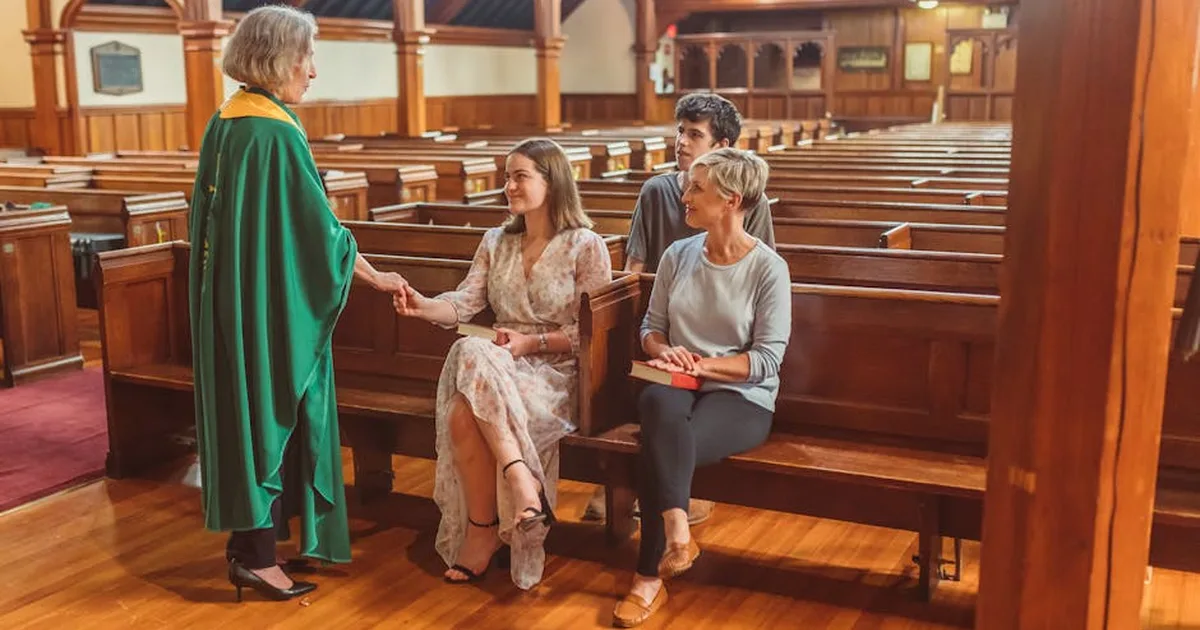
The situation in Austria, as presented in recent research, reflects a broader trend observable in many European countries. Young people between 16 and 25 often show a critical attitude toward established structures while simultaneously seeking authentic spiritual experiences. This development challenges Christian communities to find new ways of encounter and dialogue.
Traditional Values in Modern Times
Although institutional attachment may be weakening, many classic Christian values remain relevant for young people. Values like neighborly love, community spirit, and ethical orientation find resonance even in today's generation. The Bible reminds us:
"Jesus Christ is the same yesterday and today and forever." (Hebrews 13:8, NIV)This timeless truth provides a firm foundation in an ever-changing world.
Many young Christians today seek an authentic, life-oriented form of faith that doesn't exhaust itself in mere rituals. They ask about the practical relevance of the Gospel for their daily lives, their relationships, and their future perspectives. This search for a holistic faith that connects head, heart, and hands represents an important opportunity for Christian communities.
The Role of Community in Faith Life
The importance of community remains central for many young people, even as forms of community change. Small groups, informal gatherings, and digital networking gain significance alongside traditional worship forms. Acts of the Apostles describes the ideal of Christian community:
"They devoted themselves to the apostles' teaching and to fellowship, to the breaking of bread and to prayer." (Acts 2:42, NIV)
Modern communities find creative ways to pour these biblical principles into contemporary forms. It's not about an either-or but about a both-and that combines traditional and new elements. The art lies in maintaining the essential elements of Christian faith while allowing expressions to adapt to the needs of today's generation.
Practical Faith in Daily Life
For many young people, faith gains meaning when it has concrete impacts on their daily lives. Ethical decisions, social engagement, and personal spirituality take center stage. The letter of James emphasizes this practical aspect of faith:
"What good is it, my brothers and sisters, if someone claims to have faith but has no deeds? Can such faith save them?" (James 2:14, NIV)
Young Christians often show great interest in topics like social justice, environmental protection, and interpersonal relationships. Here natural points of contact open up with the Christian faith, which invites to a life of responsibility and love. Communities that address these topics and illuminate them from a biblical perspective often find open ears among the younger generation.
The Significance of Personal Relationships
One of the most effective means of bringing Christian faith closer to young people remains personal relationships. The living testimony of believers who walk authentically with God has a transformative power that surpasses any theoretical argument. When young people find mentors and friends who share their struggles and joys, faith ceases to be an abstract theory and becomes a lived reality.
In this context, it's important to remember that the universal Church continues its journey under new guidance. Following the passing of Pope Francis in April 2025, Pope Leo XIV (Robert Francis Prevost) was elected in May 2025, reminding us that the community of faith transcends generations and leadership changes.
Communities that cultivate spaces for honest dialogue, where young people can ask difficult questions and express doubts, create environments where faith can grow authentically. It's not about having all the answers, but about walking together in the search for truth.



Comments