
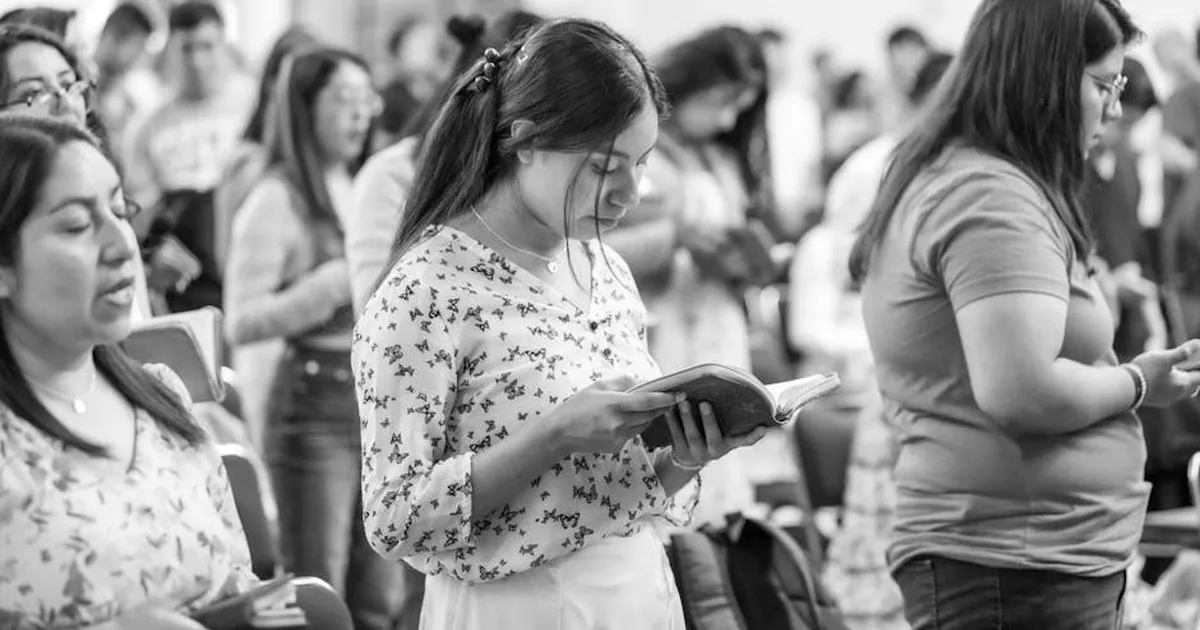
In our fast-paced digital age, the need for authentic Christian community has never been greater. As we move through 2026, many believers are rediscovering the importance of gathering together—not just on Sundays, but throughout the week. Church life isn't merely about attending services; it's about sharing life, bearing one another's burdens, and growing together in faith.

The writer of Hebrews encourages us: “And let us consider how to stir up one another to love and good works, not neglecting to meet together, as is the habit of some, but encouraging one another, and all the more as you see the Day drawing near” (Hebrews 10:24-25, ESV). This call resonates deeply in an era when isolation and digital distractions can easily pull us apart.
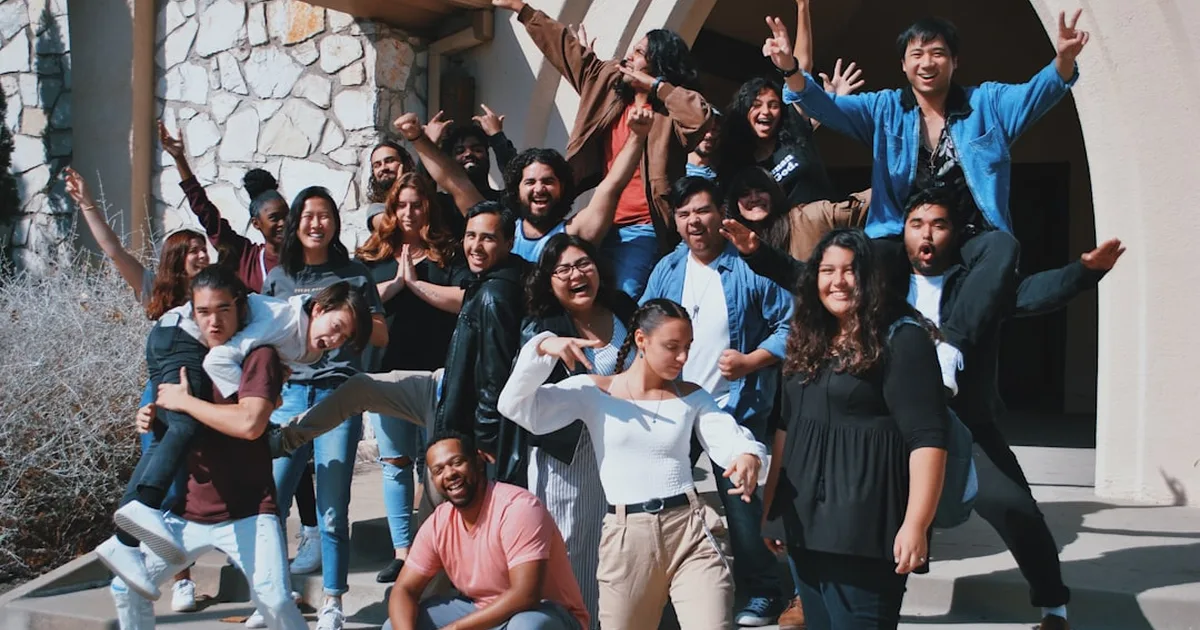
Whether you're part of a small house church or a large congregation, the key is intentional connection. Consider starting a weekly prayer group, a book study, or a service project that brings people together. The goal is not just activity, but relationship—relationships that reflect the love of Christ and strengthen the body of believers.
Navigating Transitions with Grace
Change is a constant in church life, and 2026 has brought significant transitions for many communities. With the passing of Pope Francis in April 2025 and the election of Pope Leo XIV, the global Christian landscape has shifted. While these events directly affect the Catholic Church, they ripple through the broader Christian world, reminding us that our ultimate hope is not in any human leader but in Christ alone.
Paul writes, “There is one body and one Spirit—just as you were called to the one hope that belongs to your call—one Lord, one faith, one baptism, one God and Father of all, who is over all and through all and in all” (Ephesians 4:4-6, ESV). This unity transcends denominational lines and calls us to focus on our shared faith rather than our differences.
During times of transition, it's important to pray for our leaders, whether they are local pastors or global figures. It's also a time to deepen our own discipleship, ensuring that our faith is rooted in Scripture and not in any single personality or institution.
Practical Steps for Embracing Change
- Pray regularly for church leaders at all levels, asking God for wisdom and humility.
- Engage in conversations with Christians from other traditions to learn and grow together.
- Focus on the core tenets of the faith—the divinity of Christ, salvation by grace, and the authority of Scripture.
Rediscovering the Joy of Service
One of the most vibrant aspects of church life is service. When believers use their gifts to serve others, the church becomes a living testimony of God's love. In 2026, many congregations are finding creative ways to meet needs in their communities, from food pantries to after-school programs to mental health support groups.
Jesus himself set the example: “For even the Son of Man came not to be served but to serve, and to give his life as a ransom for many” (Mark 10:45, ESV). When we serve, we not only help others but also grow in Christlikeness. Service breaks down barriers, builds bridges, and demonstrates the gospel in action.
Consider surveying your church or community to identify specific needs. Sometimes the most impactful service is simply listening and being present. Other times, it's organizing a practical effort like a neighborhood cleanup or a meal train for families in crisis. Whatever form it takes, service done in love honors God and draws others to him.
Strengthening Families and Discipleship
Healthy church life supports healthy families. In an age of busy schedules and competing priorities, churches are finding new ways to help parents disciple their children. Family worship nights, intergenerational small groups, and resources for family devotions are becoming more common.
Deuteronomy 6:6-7 instructs, “And these words that I command you today shall be on your heart. You shall teach them diligently to your children, and shall talk of them when you sit in your house, and when you walk by the way, and when you lie down, and when you rise” (ESV). This passage reminds us that discipleship happens primarily in the home, supported by the church community.
Churches can equip families by providing simple tools for daily faith conversations, offering parenting classes, and creating environments where children and youth feel valued and loved. When families thrive, the whole church is strengthened.
Looking Ahead with Hope
As we continue through 2026, the challenges facing the church are real—secularism, division, and moral confusion. Yet our hope is not in cultural trends but in the risen Christ. He promised, “I will build my church, and the gates of hell shall not prevail against it” (Matthew 16:18, ESV).
The church is not a building or an institution; it is the people of God, called to be a light in the darkness. Each of us has a part to play. Whether through prayer, service, giving, or simply showing up, we contribute to the body of Christ.
Take a moment to reflect: How is God calling you to engage more deeply in your church community this year? Is there a relationship to mend, a gift to use, or a step of faith to take? The journey of church life is not always easy, but it is filled with grace, growth, and the joy of walking together with Christ and one another.



Comments