
In recent years, Christians around the world have been discussing how churches can lovingly minister to couples in irregular unions—those who are divorced and remarried, or in same-sex relationships. A 2024 letter from the Dicastery for the Doctrine of the Faith (DDF) addressed a proposal by the German Bishops' Conference for a ritual of blessing such couples, noting that it did not align with the document Fiducia supplicans. This conversation touches on deep questions about grace, inclusion, and the nature of blessing in the Christian life.
For many believers, the heart of the matter is simple: How can we show God's love to everyone without compromising our understanding of marriage and family? The DDF's response reminds us that blessings are not merely rituals but expressions of God's truth and mercy. As the apostle Paul wrote, “Let all that you do be done in love” (1 Corinthians 16:14, ESV). This principle guides our approach to every pastoral situation.
What Does the Bible Say About Blessing?
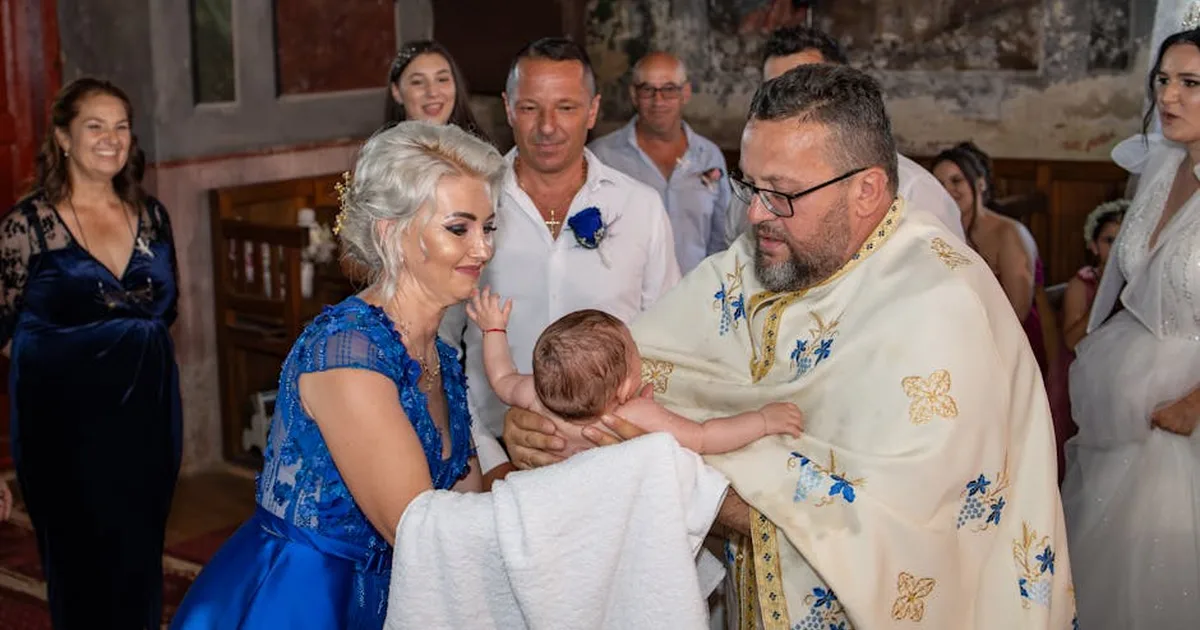
Blessing is a powerful theme throughout Scripture. From God's blessing of Abraham (Genesis 12:2-3) to Jesus blessing the children (Mark 10:16), blessings convey God's favor, presence, and guidance. In the Old Testament, the Hebrew word barak means to “kneel” or “to endow with power for success.” In the New Testament, the Greek eulogeo means “to speak well of” or “to praise.”
When we bless someone, we are inviting God to act in their lives. The church has always offered blessings for people in various circumstances—homes, meals, travelers, and those seeking healing. However, the Bible also teaches that blessings are connected to obedience and God's design for human relationships. For example, marriage is described as a covenant between a man and a woman (Genesis 2:24; Ephesians 5:31).
“Therefore a man shall leave his father and mother and hold fast to his wife, and the two shall become one flesh.” — Ephesians 5:31 (ESV)
This doesn't mean that those in irregular unions are beyond God's love. Rather, it calls the church to find ways to accompany them with truth and grace, without creating confusion about the meaning of marriage.
The Heart of the German Proposal
The German bishops' proposal sought to create a liturgical rite for blessing couples in irregular unions. They intended to offer pastoral care to those who feel excluded from the church's sacramental life. Many German Catholics have welcomed this as a step toward inclusion, while others worry it could blur the lines between blessing and marriage.
The DDF's letter clarified that while the church can bless individuals who are in irregular situations, a ritual that appears to bless the union itself could be misleading. Fiducia supplicans (2023) had already opened the door to spontaneous, non-liturgical blessings for couples in irregular situations, as long as they do not resemble a marriage ceremony. The German proposal went further by creating a formal rite, which the DDF saw as contradictory.
This tension reflects a broader challenge for the global church: How do we maintain doctrinal integrity while responding to the pastoral needs of modern families? The answer is not simple, but it requires humility, prayer, and a commitment to unity.
Lessons for the Universal Church
This discussion is not just for Catholics. Christians from all denominations can learn from the careful balance between truth and love. The apostle Peter urged believers to “always be prepared to make a defense to anyone who asks you for a reason for the hope that is in you; yet do it with gentleness and respect” (1 Peter 3:15, ESV).
Here are three principles that can guide us:
- Honor God's design for marriage. The Bible presents marriage as a lifelong, exclusive covenant between a man and a woman. This is a gift from God for human flourishing. The church must uphold this vision while welcoming all people.
- Offer genuine pastoral care. Everyone needs God's grace. Those in irregular unions should not be treated as outsiders but as members of the community who need support, prayer, and discipleship.
- Seek unity in diversity. The body of Christ includes many cultures and perspectives. While we may disagree on practices, we can remain united in our commitment to Christ and his Word.
A Pastoral Path Forward
How can local churches apply these principles? First, we can create spaces for honest conversation. Many couples in irregular unions feel judged or ignored. A listening ear can open doors for the gospel. Second, we can offer prayers and blessings that focus on the individuals—asking God to strengthen their faith, heal their wounds, and guide their steps.
For example, a pastor might pray with a divorced and remarried couple, asking God to bless their home and their commitment to raising children in the faith. This is different from blessing the union itself, but it still communicates God's love. Similarly, a same-sex couple could receive a blessing for their journey of faith, without implying that their relationship is equivalent to marriage.
“The Lord bless you and keep you; the Lord make his face shine upon you and be gracious to you.” — Numbers 6:24-25 (ESV)
This ancient blessing is for all of God's people, regardless of their circumstances. It reminds us that God's grace is available to everyone who turns to him.
Reflection and Application
As we consider this topic, let's ask ourselves: How can our church be a place where everyone experiences God's love, while still honoring the truths of Scripture? Perhaps we can start by praying for those in irregular unions, that they may know Christ's presence. We can also study what the Bible says about marriage and blessing, so we can speak with both confidence and compassion.
Finally, let's remember that the church is not a club for the perfect but a hospital for sinners. We all come to God with brokenness, and he meets us with grace. As Jesus said, “I have not come to call the righteous, but sinners to repentance” (Luke 5:32, ESV). May we extend that same invitation to everyone we meet.



Comments