
In these times when economic decisions shape the direction of our societies, it's important to remember that our Christian faith has much to say about how we organize our life together. When we hear debates about tax policies, labor incentives, or environmental regulations, we might be tempted to think these are purely technical or political matters. Yet as followers of Christ, we are called to view every aspect of human life through the eyes of faith.
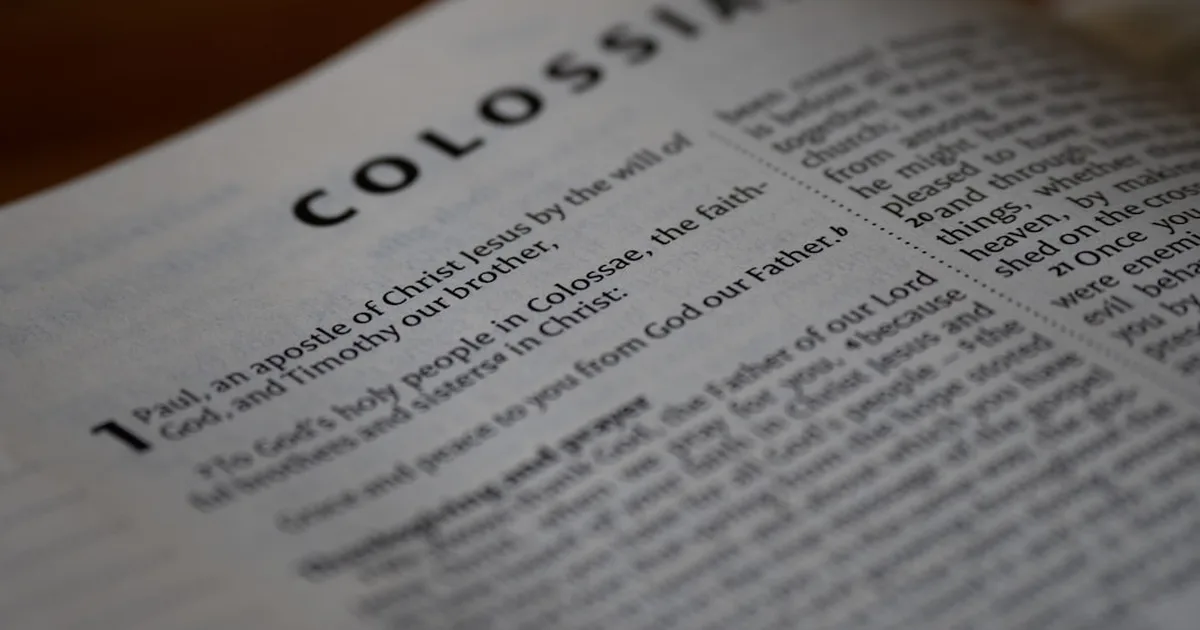
The Bible offers eternal principles that can guide our reflection on economic questions. In the book of Proverbs we find practical wisdom: "Whoever oppresses the poor shows contempt for their Maker, but whoever is kind to the needy honors God" (Proverbs 14:31, NIV). This verse reminds us that our economic decisions have a profound spiritual dimension, as they directly affect our brothers and sisters, especially the most vulnerable.
In our Christian tradition, economics is never neutral. Every policy, every law, every business decision has human consequences that we must consider in light of the Gospel. As Jesus taught us, the greatest commandment is to love God with all our heart and to love our neighbor as ourselves. This love must translate into social structures that promote the dignity of every person created in God's image.
Biblical Principles for Economic Life
Scripture offers several fundamental principles that can illuminate our participation in the economy. First, the principle of justice: "Do what is just and right. Rescue from the hand of the oppressor the one who has been robbed" (Jeremiah 22:3, NIV). Economic justice isn't just about numbers, but about fair and equitable human relationships.
Second, we find the principle of solidarity. Saint Paul exhorts us: "Each of you should give what you have decided in your heart to give, not reluctantly or under compulsion, for God loves a cheerful giver" (2 Corinthians 9:7, NIV). This attitude of generosity should permeate both our personal decisions and our positions on public policies.
A third principle is responsibility for creation. God entrusted us with the care of the earth: "The Lord God took the man and put him in the Garden of Eden to work it and take care of it" (Genesis 2:15, NIV). This means our economic activities must respect the environment and consider the impact on future generations.
Work as Vocation
In the Christian vision, work isn't just a means of making a living, but a way of participating in God's creative work. "Whatever your hand finds to do, do it with all your might" (Ecclesiastes 9:10, NIV). This perspective helps us value the dignity of every occupation and promote working conditions that respect this dignity.
When we talk about formal employment or job incentives, we're discussing more than economic figures. We're talking about people who find in their work not only material sustenance, but also a space to develop their talents, serve the community, and glorify God. That's why, as Christians, we should care about policies that promote dignified and stable employment.
Rebuilding as a Christian Calling
In the Gospel, Jesus calls us to be builders of his Kingdom. "You are the light of the world. A town built on a hill cannot be hidden" (Matthew 5:14, NIV). This metaphor of construction speaks directly to our responsibility in rebuilding our communities, especially after natural disasters or social crises.
Rebuilding isn't just physical. It also includes rebuilding the social fabric, the trust between neighbors, and the hope that sustains communities through difficult times. As Christians, we are called to be agents of this comprehensive reconstruction, bringing the light of Christ to every corner of our shared life.




Comments