
In an era marked by growing tensions and conflicts, reflection on work takes on new depth. It's not merely an economic activity, but a fundamental human vocation that connects us to one another. As Colossians emphasizes: "And whatever you do, whether in word or deed, do it all in the name of the Lord Jesus, giving thanks to God the Father through him" (Colossians 3:17, NIV). This spiritual approach transforms daily work into an opportunity for communion.
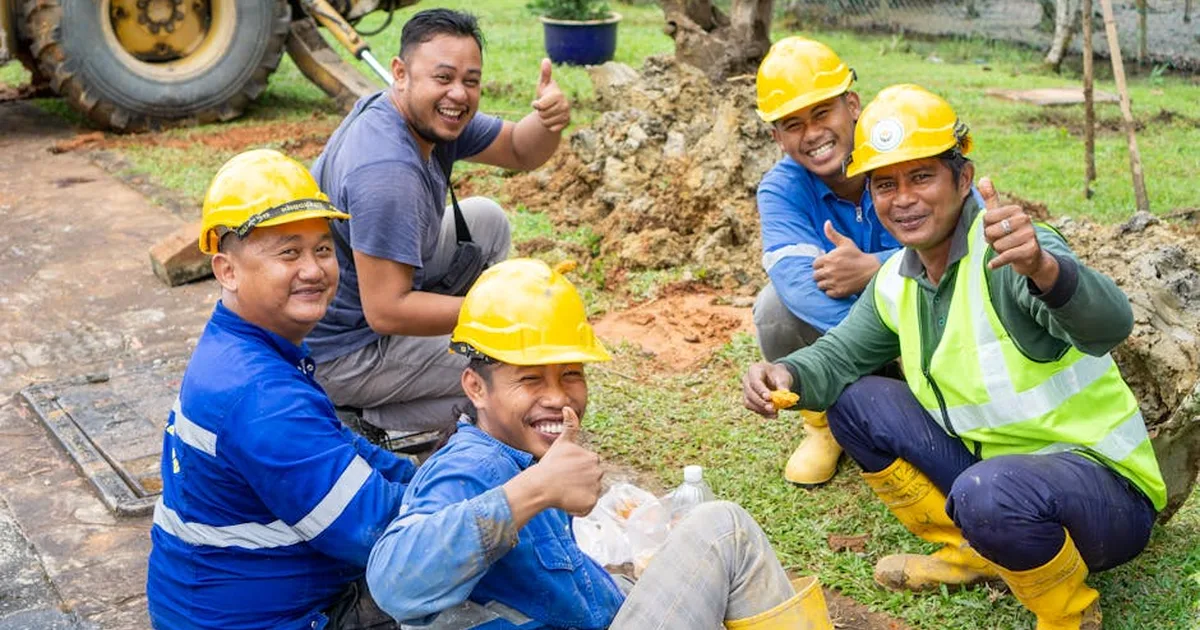
In our communities—whether factories, offices, fields, or schools—work becomes the fabric that weaves our lives together. Every gesture, every project accomplished together, contributes to building something greater than ourselves. Through this collaboration, we learn to recognize others' value, respect their talents, and build authentic relationships. From this perspective, work becomes a school of humanity.
Pope León XIV, in his first encyclical, recalled how "work blessed by God becomes an instrument of reconciliation and hope." This vision invites us to look beyond mere productivity, discovering in our daily commitment a call to serve the common good and build bridges between people.
When War Tears the Social Fabric
Armed conflicts represent a deep wound not only for those who experience them directly, but for the entire social structure. War destroys not only buildings and infrastructure, but especially those relationships of trust and collaboration that work patiently builds over time. As the prophet Micah writes: "They will beat their swords into plowshares and their spears into pruning hooks. Nation will not take up sword against nation, nor will they train for war anymore" (Micah 4:3, NIV).
The current international situation presents us with complex challenges. Rising energy costs, geopolitical tensions, forced migration—all these elements weigh on working conditions and family life, especially for the most vulnerable. In this context, the Christian community is called to be a prophetic voice and a supportive presence.
Rebuilding after conflict is necessary work but profoundly different from building in peacetime. While construction springs from hope and planning, reconstruction always carries the memory of destruction and the effort to heal deep wounds. That's why promoting peace represents a primary duty for every believer.
The Human Cost of Conflict
Beyond obvious material destruction, wars produce psychological and social damage that persists for generations. Work, which should express creativity and collaboration, is often diverted to destructive purposes or made impossible by insecurity. Faith communities have the responsibility to constantly remember the sacred value of every human life and oppose every form of violence.
Peacebuilders in Daily Life
How can we translate this call to be peacebuilders into our daily lives? The Gospel offers valuable guidance. In the Sermon on the Mount, Jesus declares blessed those who work for peace, "for they will be called children of God" (Matthew 5:9, NIV). This beatitude refers not only to great international mediators, but to each of us in our own spheres of life.
In the workplace, being a peacebuilder means:
- Practicing respectful listening to others' opinions
- Resolving conflicts through dialogue and understanding
- Recognizing and valuing each colleague's talents
- Promoting just and dignified working conditions
- Building relationships based on trust and collaboration
This daily commitment, lived with faith and hope, becomes concrete testimony to God's love in a fragmented world. Every gesture of reconciliation, every effort to build bridges, every act of justice in the workplace contributes to weaving a network of peace that can transform seemingly unchangeable realities.
The Christian community, through its various expressions, is called to accompany this process with prayer, formation, and concrete action. Reflection groups, solidarity initiatives, and pastoral accompaniment can help workers discover the spiritual dimension of their vocational calling.
In times of conflict, work well done becomes a prophetic sign that another reality is possible. It reminds us that beyond divisions and confrontations, we are called to build together a world where each person's dignity is respected and where the common good prevails over particular interests.


Comments