
At the heart of Christian tradition, hospitality represents a fundamental value, a concrete expression of fraternal love. As the Letter to the Hebrews reminds us:
"Do not forget to show hospitality to strangers, for by so doing some people have shown hospitality to angels without knowing it" (Hebrews 13:2 NIV).This ancient virtue continues to live and transform in the contemporary Italian landscape, where religious and non-profit hospitality structures constitute a silent yet vital network. The most recent data shows an evolving sector that, while experiencing a slight decline in the total number of facilities, records significant growth in accommodation capacity, reaching nearly 194,000 available beds. This development is not merely numerical but tells a story of resilience and renewed commitment to those seeking refuge, a moment of quiet, or a spiritual journey.
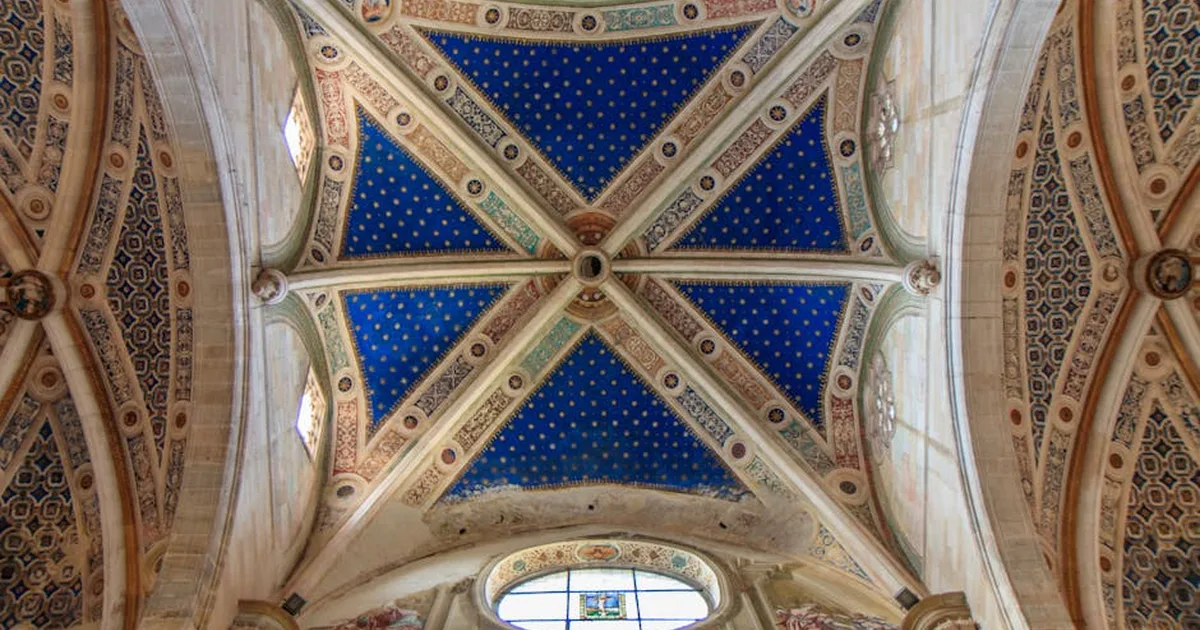
The ongoing transformation reflects greater attention to the quality of welcome rather than mere quantity. Many religious communities have chosen to invest in existing structures, improving services and expanding capacity to better respond to the needs of our times. This selective and thoughtful approach demonstrates how the sector is maturing, favoring a sustainable and deeply human footprint. In an era often marked by individualism and haste, these places offer spaces for authentic encounter, where the person is welcomed in their entirety.
The work of these realities is inspired by Christ's example, who invited his disciples to be peacemakers and bridge-builders between people. In the Gospel of Matthew we read:
"Come to me, all you who are weary and burdened, and I will give you rest" (Matthew 11:28 NIV).These words resonate with particular strength in places of religious hospitality, where the rest offered is not only physical but also spiritual and emotional.
Geography of Welcome: Where Faith Meets Need
Analyzing the territorial distribution of this welcome network reveals interesting dynamics that tell the religious and social history of Italy's different regions. Lazio confirms itself as the area with the greatest availability of beds, exceeding 31,000, a figure that reflects not only the presence of the center of Catholic Christianity but also a centuries-old tradition of pilgrimage and spirituality. Following, with significant but distant numbers, are regions like Veneto, Emilia-Romagna, and Lombardy, territories where the presence of active religious communities and a solid associative tradition has favored the development of these realities.
A particular case is represented by the Aosta Valley, which, although Italy's smallest region, shows the highest density of structures relative to population. This data suggests how in mountainous and peripheral contexts, religious hospitality takes on an even more crucial value, often becoming a bastion of humanity and service in territories where other forms of welcome might be less accessible. Here, among the Alpine peaks, monasteries, convents, and spirituality houses offer not only shelter but also an opportunity to encounter the sacred through the beauty of creation.
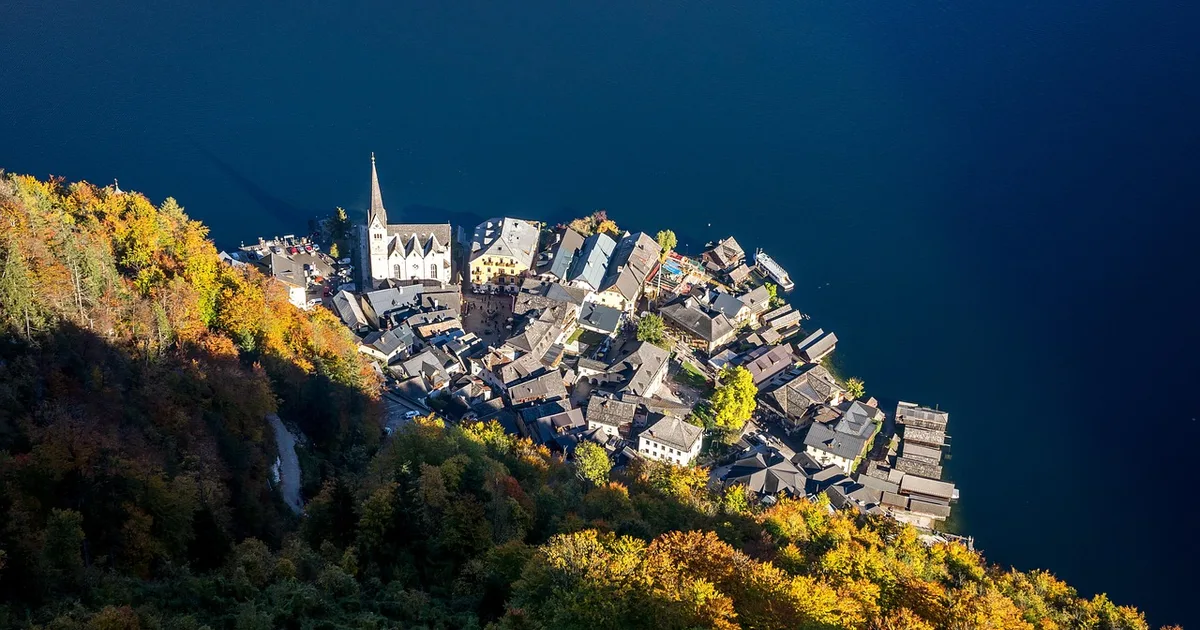
The geographical variety of these structures is remarkable: approximately one in four is located in a mountainous environment, offering the possibility of a retreat immersed in nature, while others arise in urban or rural contexts. This diversity reflects the richness of Italy's religious heritage and the ability to adapt to people's different needs. Whether it's a pilgrim on the way to a sanctuary, an out-of-town student, a traveling worker, or a family on vacation, there exists a place of welcome that can respond to their needs.



Comments