
In a world where the written word is central to faith, reading the Bible can be a challenge for millions of people with dyslexia. Recently, a new edition of the New Testament has been created with dyslexia-friendly features, aiming to make Scripture more accessible. This initiative, published by Cambridge University Press, invites readers to participate in research that could transform how we understand reading difficulties. For churches and Christian communities, this is an opportunity to reflect on how we can better welcome all members, including those who struggle with traditional print.
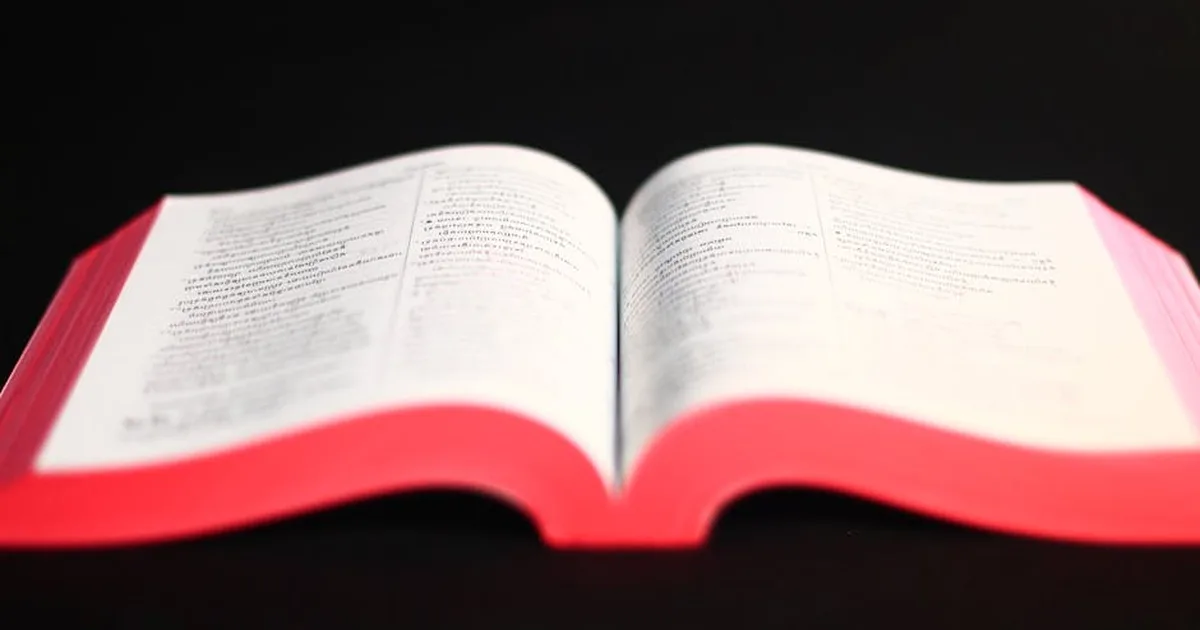
Dyslexia affects about 1 in 5 people, yet many Bibles remain difficult to navigate for those with this condition. The new edition uses a special font, increased spacing, and cream-colored paper to reduce visual stress. These changes are not just cosmetic; they are based on research into how dyslexic readers process text. By participating in the survey, readers can contribute to a growing body of knowledge that may lead to even more accessible Bibles in the future.
As Christians, we believe that God's Word is for everyone. The apostle Paul wrote, "There is neither Jew nor Greek, there is neither slave nor free, there is no male and female, for you are all one in Christ Jesus" (Galatians 3:28, ESV). This unity extends to how we share the gospel—making it accessible to all, regardless of neurological differences.
What Makes a Bible Dyslexia-Friendly?
Dyslexia-friendly design goes beyond just choosing a font. It involves a holistic approach to layout, color, and typography. Key features of the new edition include:
- Specialized font: A typeface designed to prevent letters from appearing to move or blur, such as the popular OpenDyslexic font, which has weighted bottoms to reduce letter confusion.
- Increased line spacing: More space between lines helps prevent text from crowding, making it easier for the eye to track.
- Cream-colored paper: High-contrast white paper can cause glare and visual stress; cream or off-white paper reduces this effect.
- Shorter line lengths: Columns or narrower margins prevent the eye from getting lost when moving from one line to the next.
These adjustments are based on decades of research into reading difficulties. For instance, studies have shown that dyslexic readers often benefit from larger letter spacing, which reduces the crowding effect that can make letters appear to overlap. The new Bible edition incorporates these findings, and the accompanying survey will help refine future designs.
Churches can learn from this approach. When we print bulletins, display Scripture on screens, or create study materials, we can apply similar principles. Using sans-serif fonts, avoiding justified text (which creates uneven spacing), and using off-white backgrounds can make a significant difference for dyslexic members.
Practical Ways Churches Can Foster Inclusion
Beyond providing dyslexia-friendly Bibles, churches can take several steps to ensure that all members can engage with Scripture. Here are some ideas:
- Offer multiple formats: Provide audio Bibles, large-print editions, and digital versions that allow font adjustments. Many Bible apps now offer dyslexia-friendly settings.
- Train volunteers: Educate greeters, teachers, and small group leaders about dyslexia. Simple awareness can prevent misunderstandings—for example, not asking a dyslexic person to read aloud in public without warning.
- Use multisensory teaching: Incorporate visual aids, music, and hands-on activities. Jesus often used parables and objects to teach, engaging multiple senses.
- Create a welcoming environment: Let people know that it's okay to use tools like colored overlays or reading rulers. Some churches have designated "quiet corners" with soft lighting for those who need a less stimulating space.
The Bible reminds us that the body of Christ has many parts, each with unique gifts (1 Corinthians 12:12-27). When we accommodate different needs, we honor the diversity God created. As it says in Romans 15:7 (NIV), "Accept one another, then, just as Christ accepted you, in order to bring praise to God."
How You Can Participate in the Research
If you or someone you know has dyslexia, consider participating in the survey associated with the new Bible edition. Your feedback can help researchers understand how dyslexic readers interact with printed text, leading to better designs not only for Bibles but for all Christian literature. The survey is open to anyone who uses the edition, and results will be shared with the publishing community.
Even if you don't have dyslexia, you can support this effort by spreading the word. Share information about the dyslexia-friendly Bible with your church community or on social media. You might also consider donating a copy to your church library or a local school.
Reflection: A Call to Remove Barriers
As we consider the needs of dyslexic readers, we are reminded that God's Word is living and active (Hebrews 4:12). Yet, if the format in which it is presented creates a barrier, we are not fully living out our call to make disciples of all nations. Jesus said, "Let the little children come to me and do not hinder them" (Matthew 19:14, NIV). This includes children (and adults) who struggle with reading.
Take a moment to reflect: Does your church's approach to Scripture consider those with reading challenges? What small changes could you make this week to ensure that everyone can encounter God's love through the Bible? Perhaps start by checking the font on your church's website or bulletin. Every step toward inclusion is a step toward embodying Christ's love.



Comments