
In a world that moves at breakneck speed, where information flows endlessly and opinions shift like sand, there is something profoundly grounding about ancient words that continue to speak. The Bible, written thousands of years ago, is not a dead document gathering dust on a shelf. It is a living testimony that has the power to transform hearts and minds across generations and cultures.
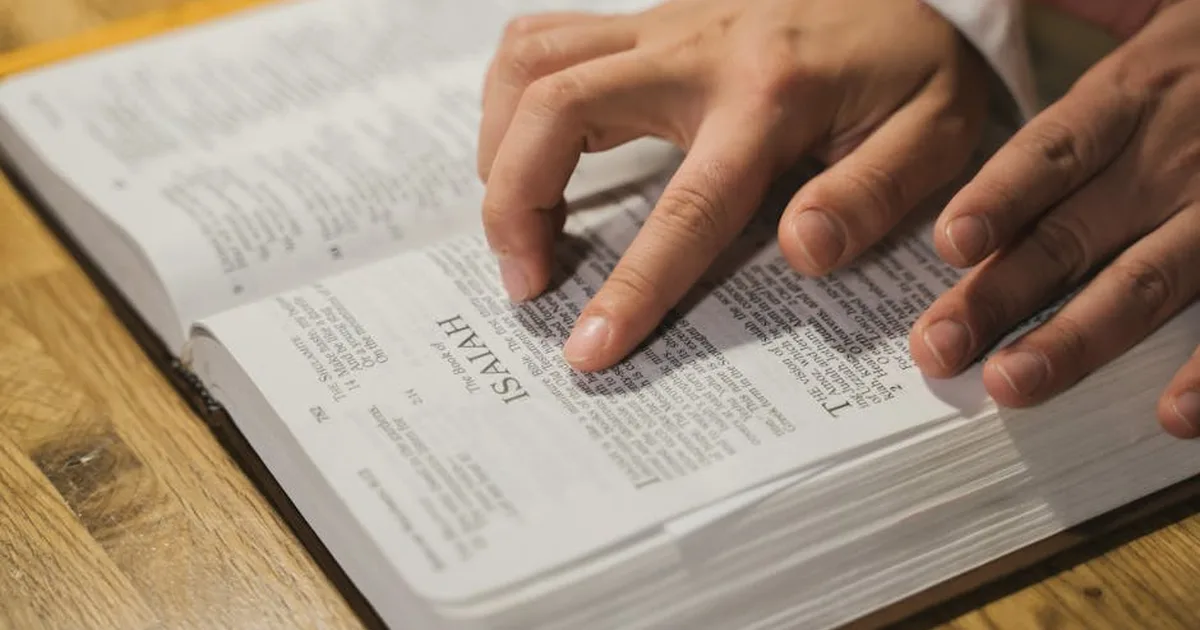
Many people today view Scripture as outdated or irrelevant to modern life. But those who take the time to read it carefully often discover that its truths are timeless. The Apostle Paul wrote to Timothy that "all Scripture is breathed out by God and profitable for teaching, for reproof, for correction, and for training in righteousness" (2 Timothy 3:16, ESV). This passage reminds us that the Bible is not merely a historical artifact but a dynamic guide for daily living.
As we explore how ancient documents can change lives, we will look at the power of Scripture to speak into our present circumstances, the role of community in interpreting these texts, and practical ways to engage with the Bible so that it becomes a source of transformation rather than a relic of the past.
Why Scripture Still Matters
The Timeless Nature of God's Word
The Bible addresses the deepest questions of the human heart: Who are we? Why are we here? How should we live? These questions are as relevant today as they were when the Psalms were written or when Jesus walked the earth. The human condition has not fundamentally changed; we still struggle with fear, pride, love, loss, and hope. The Scriptures speak directly to these experiences.
Hebrews 4:12 tells us, "For the word of God is living and active, sharper than any two-edged sword, piercing to the division of soul and of spirit, of joints and of marrow, and discerning the thoughts and intentions of the heart" (ESV). This verse captures the dynamic quality of Scripture. It is not a static text but a living word that engages with us personally.
Historical Context Meets Modern Application
Understanding the historical and cultural context of biblical passages enriches our reading and prevents misinterpretation. However, the core message of God's love, redemption, and call to holiness transcends time. When we read the story of the Good Samaritan (Luke 10:25-37), we are challenged to love our neighbor in practical ways, regardless of ethnic or social barriers. The parable remains a powerful call to compassion in a divided world.
Similarly, the prophetic calls for justice in books like Amos and Micah resonate deeply in an age of inequality and social unrest. Micah 6:8 encapsulates this: "He has told you, O man, what is good; and what does the Lord require of you but to do justice, and to love kindness, and to walk humbly with your God?" (ESV).
From Dead Letter to Living Faith
The Danger of Reading Without Engagement
It is possible to read the Bible regularly and remain unchanged. The Pharisees and religious leaders of Jesus' day knew the Scriptures well, yet they missed the very Messiah they were waiting for. Jesus told them, "You search the Scriptures because you think that in them you have eternal life; and it is they that bear witness about me, yet you refuse to come to me that you may have life" (John 5:39-40, ESV).
This warning is for us as well. We can approach the Bible as a textbook to be mastered rather than a voice to be heard. True transformation happens when we read with an open heart, willing to be convicted, comforted, and changed.
Practical Steps for Engaging with Scripture
- Pray before reading: Ask God to speak to you through His Word. A simple prayer like, "Lord, open my eyes to see wonderful things in your law" (Psalm 119:18) can set the right posture.
- Read slowly and reflectively: Instead of rushing through a chapter, pause to meditate on a verse or phrase. Consider what it reveals about God, about humanity, and about your own life.
- Apply what you learn: James 1:22 exhorts us, "But be doers of the word, and not hearers only, deceiving yourselves" (ESV). Ask yourself: How does this passage challenge me to think, speak, or act differently today?
- Share with others: Discussing Scripture with fellow believers deepens understanding and provides accountability. The early church devoted themselves to "the apostles' teaching and the fellowship" (Acts 2:42, ESV).
Community and the Living Word
The Role of the Church in Interpretation
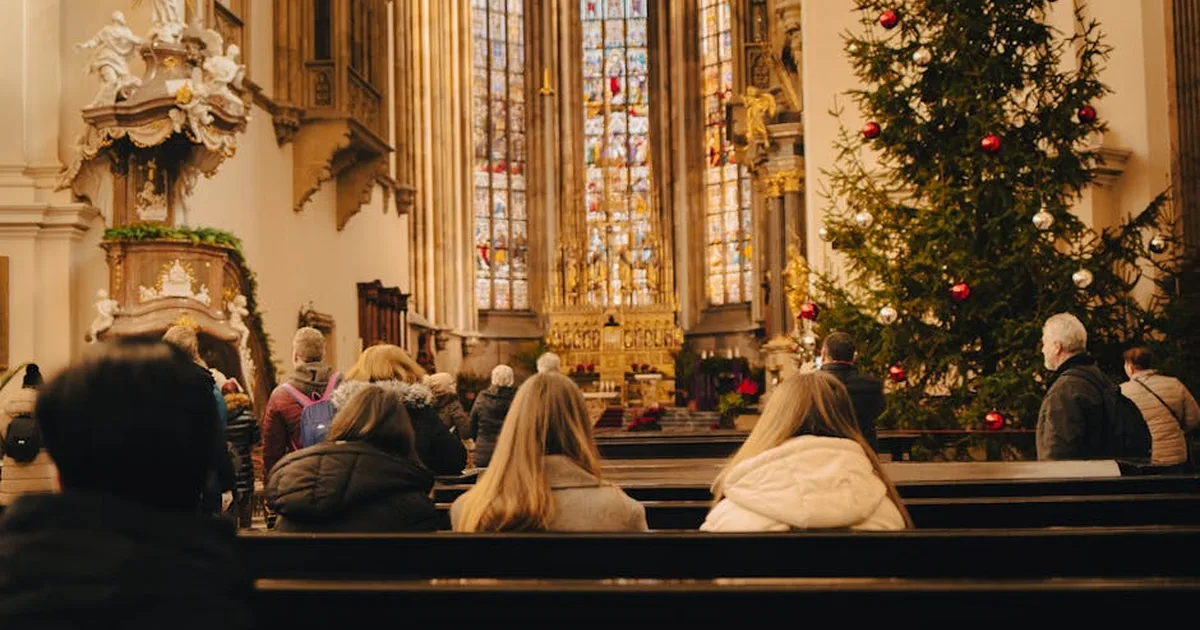
While personal Bible reading is essential, we are not meant to interpret Scripture in isolation. The church community provides wisdom, correction, and encouragement. The Bereans were commended for examining the Scriptures daily, but they did so in the context of the apostolic teaching (Acts 17:11).
Throughout history, the church has wrestled with difficult passages and developed creeds and confessions that summarize biblical truth. Engaging with this tradition helps us avoid individualistic errors and stay grounded in the faith once delivered to the saints (Jude 1:3).
Learning from One Another
Different Christian traditions bring unique emphases. Some highlight God's sovereignty, others emphasize human responsibility. Some focus on social justice, others on personal holiness. By listening to brothers and sisters from various backgrounds, we gain a more balanced understanding of Scripture. As Proverbs 27:17 says, "Iron sharpens iron, and one man sharpens another" (ESV).
At EncuentraIglesias.com, we celebrate this ecumenical richness. Our platform is a place where Christians from all denominations can find resources and community, united by our common faith in Christ and our love for God's Word.
When the Word Changes a Life
Stories of Transformation
Consider the story of a man named Eduardo, who grew up attending church but never truly encountered God through Scripture. In his twenties, he drifted away from faith, feeling that the Bible was irrelevant to his modern problems. But during a difficult season of loss, a friend invited him to a small group where they were studying the book of Psalms. As Eduardo read the raw honesty of the psalmists—their anger, doubt, and hope—he realized that his own emotions were not foreign to God. The words of Psalm 34:18, "The Lord is near to the brokenhearted and saves the crushed in spirit" (ESV), became a lifeline. Slowly, his heart softened, and he began to see Scripture as a source of comfort and direction.
Stories like Eduardo's are not unique. Millions of people around the world can testify to the transformative power of God's Word. It brings healing to the wounded, guidance to the lost, and hope to the despairing. The Bible is not a dead document; it is the living breath of God that continues to change lives.
Reflection and Application
As you finish reading this article, take a moment to consider your own relationship with Scripture. Is the Bible a living word in your life, or has it become a familiar book that no longer challenges you? Ask God to renew your hunger for His Word. Commit to reading it not just for information, but for transformation. Perhaps you can start with a Gospel, reading a passage each day and asking: What does this reveal about Jesus? How does it call me to respond?
"Your word is a lamp to my feet and a light to my path." — Psalm 119:105 (ESV)
May the ancient words of Scripture become a fresh voice in your life today, guiding you into deeper love for God and neighbor.



Comments