
In a world where young people who make mistakes are often labeled and forgotten, there exist pathways that illuminate alternative routes. Recent initiatives have demonstrated how educational and inclusive approaches can transform lives marked by youthful errors. These projects don't merely punish but seek to understand the roots of distress, offering concrete tools to rebuild fragile identities. As a Christian community, we are called to look at these experiences attentively, recognizing in them an echo of the Gospel message of redemption and hope.
The Bible reminds us that "He does not treat us as our sins deserve or repay us according to our iniquities" (Psalm 103:10, NIV). This divine principle of mercy should also inspire our approach toward those who have made mistakes, especially when dealing with young people whose life journey is still being formed. Pope Francis, who passed away in April 2025, frequently urged us to look beyond appearances, to seek Christ's face in every person, especially in those most wounded by life.
Building Bridges Instead of Walls
The most effective projects for accompanying young people facing justice challenges are those that build bridges between institutions, local communities, and the third sector. When public and private social entities collaborate with shared responsibility, support networks are created that can truly make a difference. These partnerships allow overcoming fragmented interventions and ensure continuity in young people's growth journey.
The apostle Paul exhorts us: "Carry each other's burdens, and in this way you will fulfill the law of Christ" (Galatians 6:2, NIV). This invitation to share difficulties finds concrete realization in those realities where workers, volunteers, and institutions together take responsibility for the journey of struggling youth. This isn't about justifying wrong behaviors but recognizing that every person, even one who has committed serious mistakes, retains inviolable dignity and the possibility of change.
Tools for Rebirth
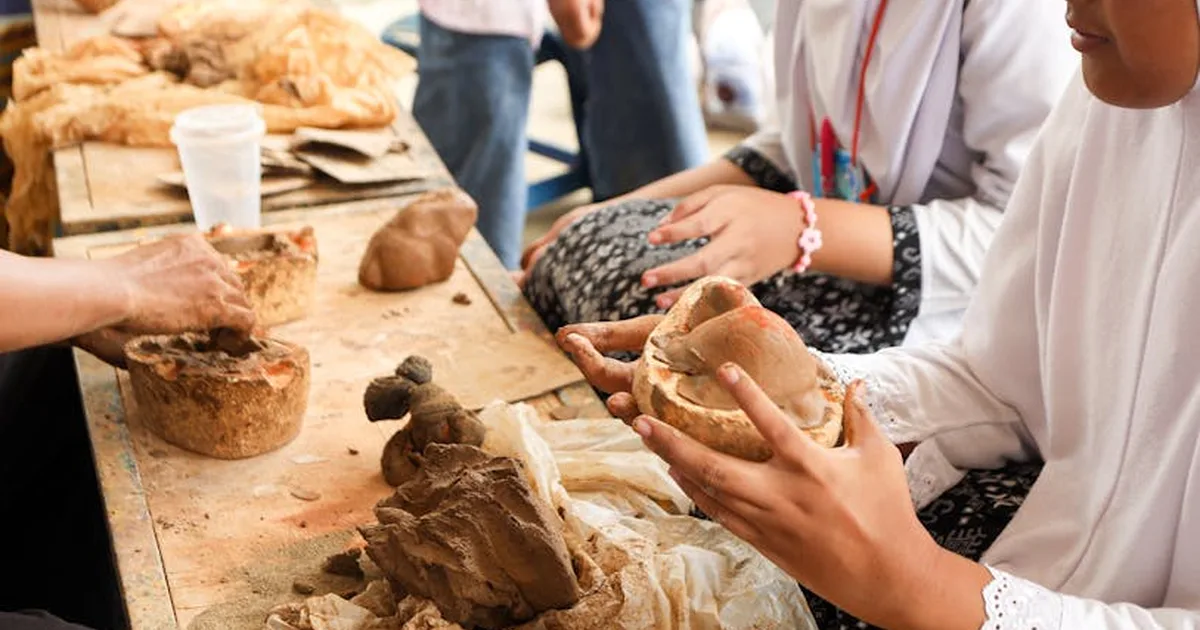
Music, theater, art, writing, contact with nature: these aren't mere pastimes but genuine therapeutic and educational instruments. Through non-verbal languages and concrete experiences, many young people manage to express emotions and conflicts they wouldn't know how to articulate in words. Art thus becomes a bridge to themselves and others, allowing transformation from a body that "endures" life to one that "inhabits" their existence consciously.
The book of Psalms shows us how artistic expression can become prayer and catharsis: "Record my misery; list my tears on your scroll—are they not in your record?" (Psalm 56:8, NIV). Even the tears, fears, and angers of struggling youth can find expression and transformation through creative channels that help them reclaim their own story.
Preventing New Forms of Bondage
Today's youth face new and insidious risks: from recruitment into criminal networks to online radicalization dynamics. Facing these threats, repression isn't enough: an educational alliance involving families, schools, Christian communities, and institutions is needed. As vigilant watchmen, we are called to recognize distress signals and offer concrete alternatives before it's too late.
The prophet Ezekiel reminds us of the watchman's responsibility: "But if the watchman sees the sword coming and does not blow the trumpet to warn the people... I will hold the watchman accountable for their blood" (Ezekiel 33:6, NIV). This biblical image deeply challenges us: as a Christian community, are we watchmen attentive to the needs of the youngest, especially the most vulnerable?



Comments