
In today's fast-paced world, personal stories and family memories gain special significance. They connect generations and preserve values that go beyond mere historical facts. Particularly moving are those narratives that speak of difficult times yet convey hope and reconciliation.
The Importance of Remembering
Remembering past events is central to Christian communities. The Bible itself is full of stories passed down from generation to generation to preserve teachings and strengthen faith. In Deuteronomy we find the exhortation: "Hear, O Israel: The Lord our God, the Lord is one. Love the Lord your God with all your heart and with all your soul and with all your strength. These commandments that I give you today are to be on your hearts. Impress them on your children. Talk about them when you sit at home and when you walk along the road, when you lie down and when you get up" (Deuteronomy 6:4-7, NIV).
Intergenerational Transmission
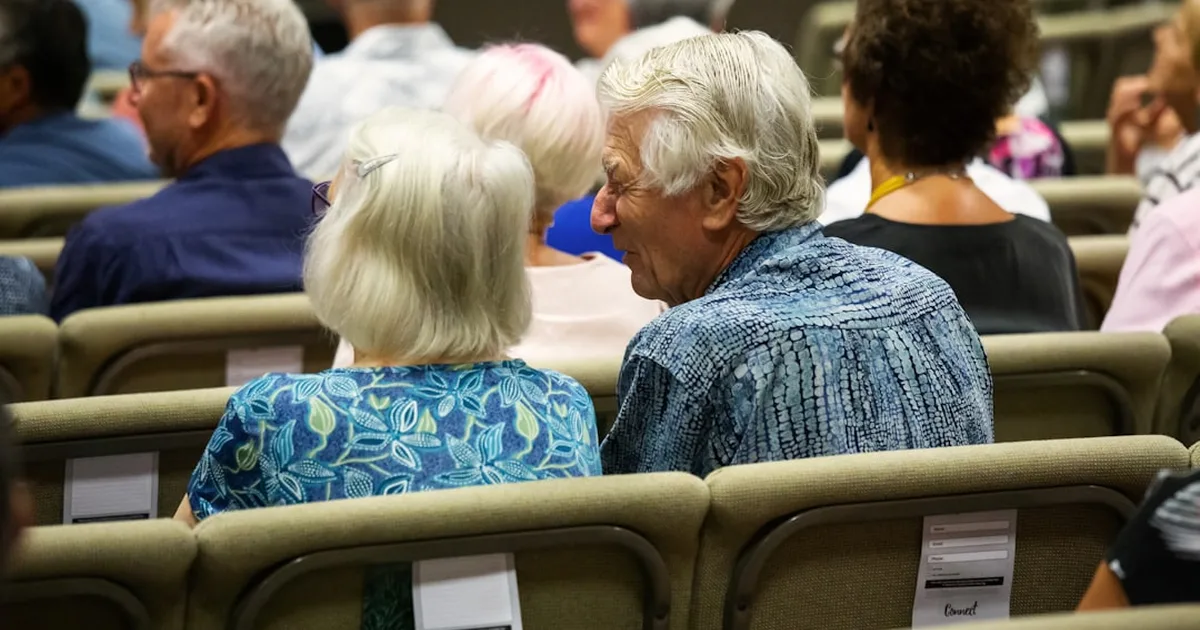
The transmission of experiences between generations is a precious treasure. Older church members often carry stories within them that can help younger people understand and navigate difficult life phases. These narratives can provide comfort and show how people were able to maintain their faith even in the darkest hours.
"Remember the days of old; consider the generations long past. Ask your father and he will tell you, your elders, and they will explain to you" (Deuteronomy 32:7, NIV).
Navigating Difficult Memories
Many families carry memories of difficult times. Dealing with these stories requires sensitivity and wisdom. As a Christian community, we are called to support one another in such processes and create space for healing.
The Role of Community
Congregations can be important places where people share their stories and experience processing. Through shared prayer, pastoral care, and supportive community, burdensome memories can be placed in a larger context. The apostle Paul writes in Romans: "Rejoice with those who rejoice; mourn with those who mourn" (Romans 12:15, NIV).
Reconciliation as Christian Mission
The Christian message is profoundly a message of reconciliation. Jesus Christ, through his life, death, and resurrection, opened the way to reconciliation with God and among people. This has concrete implications for how we deal with difficult pasts.
In the Sermon on the Mount, Jesus exhorts his disciples: "Blessed are the merciful, for they will be shown mercy. Blessed are the pure in heart, for they will see God. Blessed are the peacemakers, for they will be called children of God" (Matthew 5:7-9, NIV).
Practical Steps in Church Life
How can congregations concretely deal with difficult family stories and create space for healing? Here are some practical approaches:
- Creating safe spaces for sharing personal stories
- Intergenerational conversation circles and projects
- Prayer groups that specifically address healing from the past
- Pastoral accompaniment for people with burdensome memories
- Shared memorial and reconciliation services
The Healing Power of Faith
Faith offers resources for navigating difficult memories. Trust in God's presence even in dark hours can provide comfort. The psalmist testifies: "Even though I walk through the darkest valley, I will fear no evil, for you are with me; your rod and your staff, they comfort me" (Psalm 23:4, NIV). The certainty that God walks with us through every experience, however painful, transforms our perspective on the past. As a community of believers, we are called to be instruments of that divine healing, remembering that in Christ all things can be made new, including our most difficult stories.




Comments