
In Lebanon, a country that has suffered for years under political and economic crises, there is an unusual story that shows how Christian faith can become practical. Bishop Hanna Rahmé, a 65-year-old clergyman, is active not only in the church but also in the fields. In his home region, he runs his own farm—wearing rubber boots, dirty clothes, and a cap on his head. This activity is far more than a hobby for him; it is an expression of his faith and a service to the community.
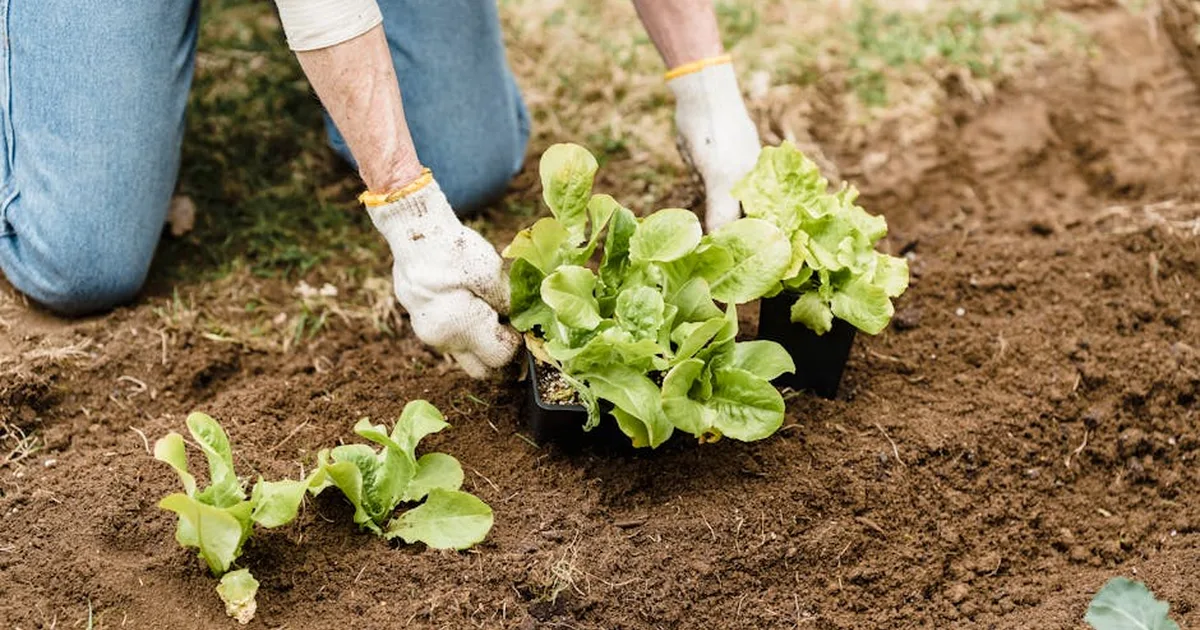
The situation in Lebanon remains tense. The economic crisis has driven many people into poverty, and the infrastructure is dilapidated. In this context, farming becomes a symbol of hope for Bishop Rahmé. He grows vegetables not only to feed himself but also to help others. His dedication shows that faith in Jesus Christ is not limited to Sunday but can shape everyday life.
Biblical Foundations: Work and Care
The Bible speaks repeatedly about the importance of work and care for one's neighbor. In the Old Testament we read: "Six days you shall labor and do all your work" (Exodus 20:9, NIV). Work is not a curse but a divine calling. The Apostle Paul encourages the Thessalonians: "Work with your hands" (1 Thessalonians 4:11, NIV). Bishop Rahmé lives out this calling in a compelling way.
But it is not just about work itself. Jesus teaches us to care for the needy: "Whatever you did for one of the least of these brothers and sisters of mine, you did for me" (Matthew 25:40, NIV). By growing vegetables and sharing them with others, the bishop puts these words into action. His farming is a concrete example of neighborly love.
The Challenges in Lebanon: A Country in Survival Mode
Lebanon is experiencing one of the worst crises in its history. Inflation is high, the currency has massively devalued, and many people have lost their jobs. Added to this are political tensions and the effects of the war in the region. In this environment, having enough food is a daily challenge for many.
Bishop Rahmé has recognized that the church in such times must provide not only spiritual but also practical help. His farming is a model that shows how one can contribute with simple means. He grows vegetables like tomatoes, cucumbers, and zucchini, which not only supply his own community but are also distributed to needy families.
Faith and Sustainability: A Holistic Approach
The connection between faith and farming is not a new idea. Even in the early church, there were monasteries that cultivated gardens and fields. This tradition continues in the work of Bishop Rahmé. He shows that sustainability and Christian values can go hand in hand.
What Can We Learn from This Example?
The bishop's story invites us to reflect on our own faith. How can we use our talents and resources to serve others? Perhaps we are not able to cultivate an entire garden, but we can find other forms of help. That might be supporting a local food bank or sharing food with neighbors in need.
The Apostle James writes: "Faith without works is dead" (James 2:17, NIV). Bishop Rahmé makes it clear that faith and action belong together. His farming is not an end in itself but a tool to make God's love visible.
Practical Application: How We Can Sow Hope
In the end




Comments