
On May 8, 2026, the 81st anniversary of the end of World War II in Europe, the presidents of the Bishops' Conferences of France and Germany met in a spirit of reconciliation and brotherhood. This gathering, held in an atmosphere of prayer and dialogue, highlighted the importance of memory and Christian hope in the face of contemporary challenges.

The two church leaders discussed the need to build bridges between peoples, drawing on the values of the Gospel. They recalled that Christ is our peace, who has broken down the walls of separation (Ephesians 2:14). This meeting is part of a long tradition of rapprochement between the French and German churches, which began after the war and has strengthened over the decades.
The Fruits of Ecclesial Dialogue
During their talks, the presidents shared common concerns: growing secularization, declining religious practice, and the need to pass on the faith to younger generations. They also addressed social issues such as welcoming migrants and caring for creation.
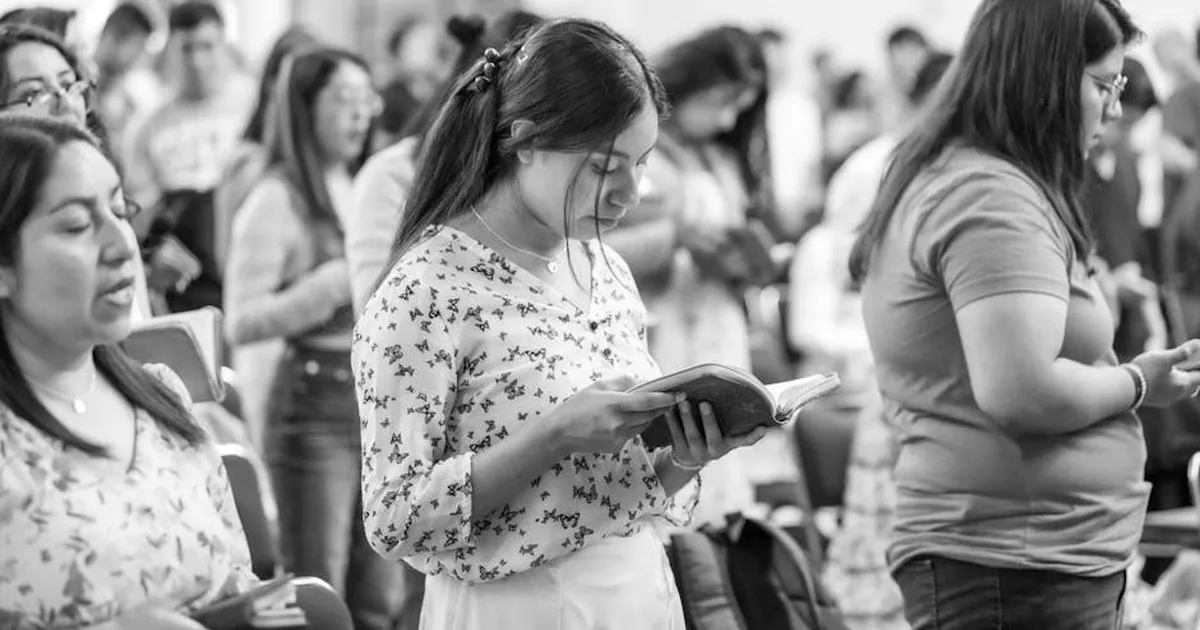
The meeting was marked by a time of common prayer, where they entrusted the challenges of the Church in Europe to the Lord. As Psalm 133:1 says, "How good and pleasant it is when God's people live together in unity!" This verse was at the heart of their meditation.
A Renewed Commitment to Unity
The two leaders signed a joint declaration calling Christians to be peacemakers in their communities. They stressed the importance of reconciliation, not only between nations but also within local churches.
This declaration recalls that Christian unity is a sign to the world, as Jesus prayed in John 17:21: "May they all be one, as you, Father, are in me and I am in you, so that they also may be in us, that the world may believe that you sent me."
A Historical Context Full of Hope
The choice of May 8 is not accidental. This date commemorates the end of hostilities between France and Germany, but it is also a symbol of reconciliation. Seventy-five years after the war, the two countries are now partners in the European Union, and their churches play a key role in this rapprochement.
The presidents emphasized that the memory of past sufferings should not be forgotten but should drive us to build a better future. They cited the prophet Isaiah 2:4: "They will beat their swords into plowshares and their spears into pruning hooks. Nation will not take up sword against nation, nor will they train for war anymore."
Current Challenges for the Church in Europe
Beyond the symbols, the two leaders discussed concrete pastoral challenges: declining vocations, the need to renew catechesis, and the importance of a Christian presence in public debate. They also touched on synodality, a theme dear to Pope Leo XIV, who encourages a more participatory Church.
They reminded that the Church is not a static institution but a living body, animated by the Holy Spirit (1 Corinthians 12:12-13). Every baptized person has a role in the Church's mission.
A Call to Prayer and Action
At the conclusion of their meeting, the presidents invited all Christians to pray for peace in the world and for the unity of the churches. They also encouraged the faithful to engage in concrete acts of reconciliation, whether in their families, neighborhoods, or countries.
As St. Paul says in 2 Corinthians 5:18: "All this is from God, who reconciled us to himself through Christ and gave us the ministry of reconciliation."


Comments