
As we mark the first anniversary of Pope Francis's passing on April 21, 2025, our thoughts naturally turn to those lands he held with particular intensity in his heart. The Middle East, a crossroads of civilizations and faith, continues to experience deep tensions and conflicts that seem to have no solution. In this context, Francis's spiritual and pastoral legacy shines as a beacon of hope, reminding us that the path of dialogue and encounter is always possible, even when circumstances appear darkest.
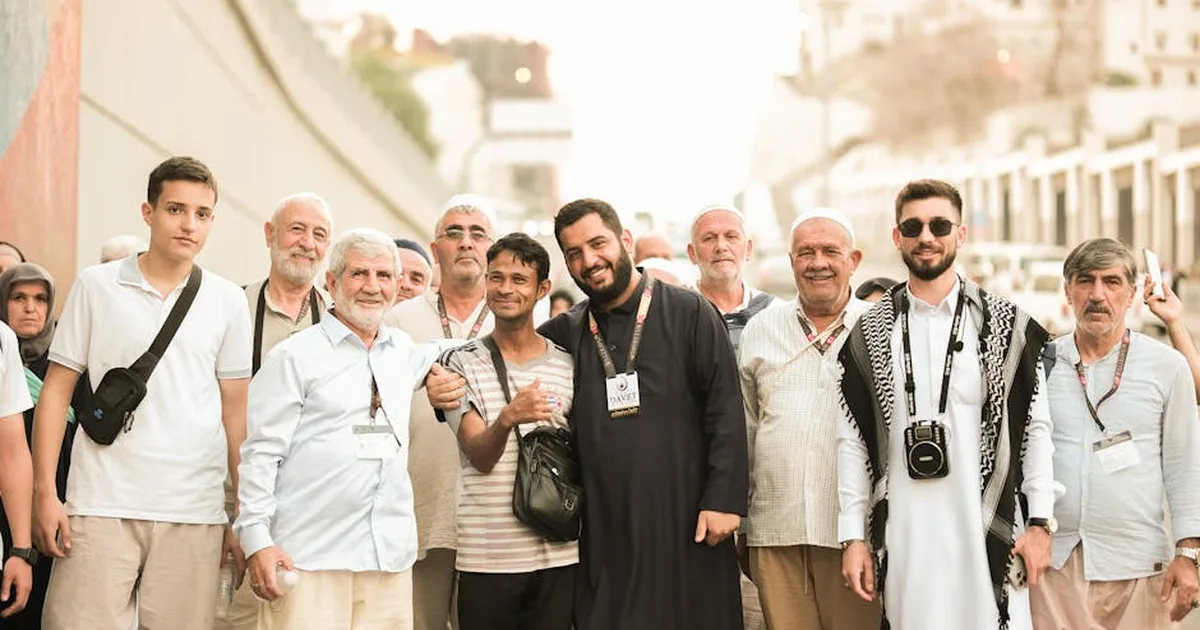
Francis was not merely a visitor to those regions. He went as a brother, recognizing in their wounds the wounds of the entire human family. His election in 2013 brought a new wind to the Church and the world, a call to rediscover the essence of the Gospel: mercy, welcome, and the tireless pursuit of peace. Today, under the guidance of Pope León XIV, this mission continues, rooted in the same passion for unity and reconciliation.
"Blessed are the peacemakers, for they will be called children of God" (Matthew 5:9 NRSVue).
Pilgrim of Peace: The Visits That Charted a Path
Francis's ministry in the Middle East unfolded through journeys that were far more than state visits. They were true pilgrimages, prophetic gestures made in the footsteps of Abraham, the prophets, and Jesus himself. His first trip to the region, in May 2014, took him to Jordan and the Holy Land. This was not a diplomatic itinerary, but a journey of the heart. In Bethlehem, at the site of the Nativity, and in Jerusalem, the city of the Passion and Resurrection, his presence became a living prayer for peace.
At every stop, Francis raised his voice not with tones of condemnation, but with the authority of one who invites reason and respect for human dignity. He forcefully reminded us that violence can never be justified in the name of God, a message that resonates with urgency even today. His action redefined the very meaning of interreligious dialogue, showing it not as a negotiation between positions, but as a fraternal encounter between children of the same heavenly Father.
Courage in Cairo: A Message in the Heart of the Storm
One of the most significant moments of his commitment was undoubtedly his visit to Egypt in April 2017. The Pope arrived in Cairo at a time of great tension, shortly after terrorist attacks that had sown pain and fear. Many would have advised caution, but Francis chose presence. For him, to be absent in such circumstances would have been a betrayal of the Church's mission to be leaven and salt of the earth, especially where evil seems to prevail.
He met with civil and religious authorities, including Pope Tawadros II of the Coptic Orthodox Church and the Grand Imam of Al-Azhar, Ahmad Al-Tayyeb. In that prestigious Islamic university, he spoke words that went around the world, emphasizing how a religiosity devoid of mercy and compassion represents one of the gravest threats to human coexistence. His visit was a moral embrace of the Egyptian people, a tangible sign that authentic faith builds bridges, not walls.
"You shall love your neighbor as yourself" (Leviticus 19:18b NRSVue).
The Living Legacy: Hope for Open Wounds
One year after his departure, the Middle East still appears torn by persistent conflicts, unresolved tensions, and economic crises that push many toward emigration or despair. In this scenario, the question that Francis's legacy poses to us is more relevant than ever: has the world truly listened to his voice? Has it heeded the invitation to build peace on justice and dialogue?
Francis's work was not limited to symbolic gestures. His insistence on dialogue as the only path to peace remains a challenge for all, believers and non-believers alike. In a world where divisions seem to deepen, his testimony reminds us that hope is not an illusion, but a force that can transform realities. Pope León XIV, continuing this mission, invites us to keep that flame alive, to be peacemakers in our own contexts, following the example of one who saw in the Middle East not just a problem, but a land blessed by God, called to be a land of encounter and reconciliation.

Comments