
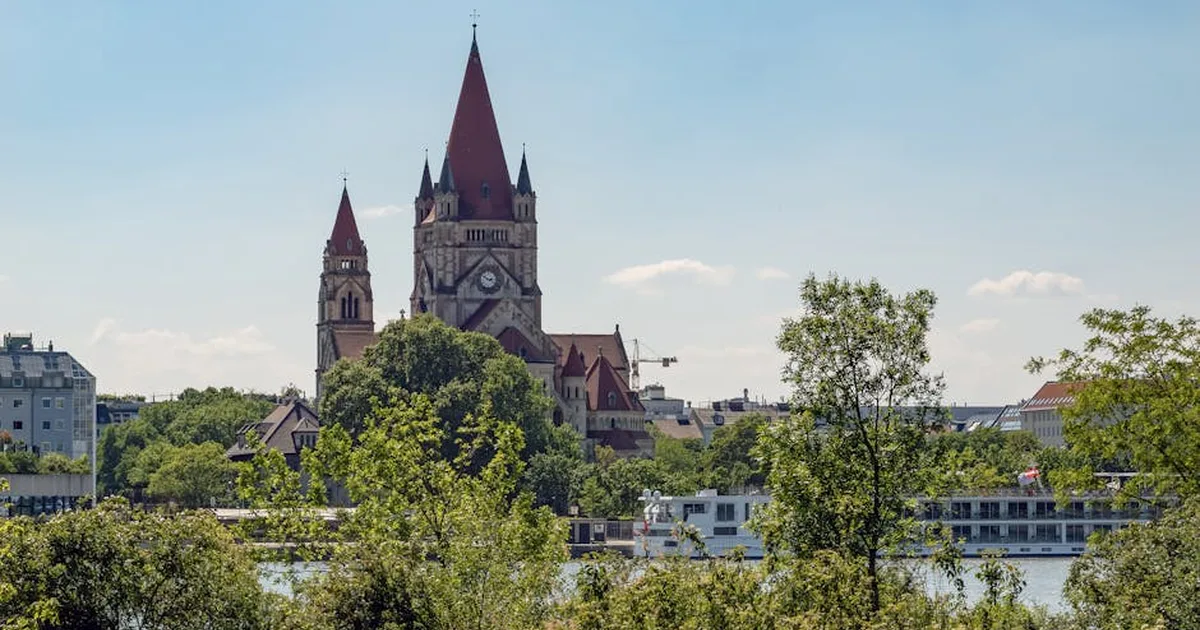
Eight hundred years ago, in the spring of 1225, Saint Francis of Assisi composed the Canticle of the Creatures, a hymn of praise that still resonates in the hearts of believers and non-believers alike. This text, considered the first masterpiece of Italian literature, is not just a poem but a true declaration of faith and universal brotherhood. On this important anniversary, the Church invites us to rediscover the deep message of the Canticle, especially that verse which speaks of forgiveness: 'Praised be You, my Lord, for all those who forgive for love of You.'
In a world marked by divisions, grudges, and conflicts, forgiveness often seems like an impossible challenge. Yet Francis shows us that it is precisely in forgiveness that the key to a new life lies, to an authentic peace that is not a utopia but a concrete promise for those who trust in God's grace.
Forgiveness as a Gift to Ourselves
We often think of forgiveness as an act we do toward others, almost as a favor granted. But the Franciscan and Christian perspective is radically different: forgiveness is first and foremost a gift we give to ourselves. As Alessandra Cetro, national officer for Justice, Peace, and Nonviolence at Agesci, stated, 'Forgiveness is a gift we give primarily to ourselves and then we give it to the universe.' Forgiving means accepting what has happened, even what cannot be changed, and choosing not to suffer from it anymore. It is an act of inner liberation that opens us to life, allowing beauty to bloom even after the storm.
This vision is deeply rooted in Scripture. Jesus himself, in the Lord's Prayer, teaches us to ask: 'Forgive us our debts, as we also have forgiven our debtors' (Matthew 6:12). The forgiveness we receive from God is inextricably linked to our ability to forgive others. This is not a simple exchange but a dynamic of love that transforms the heart.
The Art of Being Peacemakers
Being 'peacemakers' is an expression that Pope Francis often used, and it fits well with the message of the Canticle. It is not a heroic enterprise but a daily work made of concrete gestures, mutual respect and understanding, and promotion of justice and the common good. As Cetro emphasized, 'Let us continue to imagine and dream of a world at peace not as a utopia but as a strong necessity and also a promise for the men and women of our time.'
Saint Francis taught us that peace begins with a reconciled heart. His encounter with the wolf of Gubbio is a powerful parable: the wolf, a symbol of fear and violence, becomes a brother through dialogue and forgiveness. Today, as then, bullying and hatred can only be overcome by the power of love, as will be shown in the meeting with journalist and theologian Diego Mecenero.
Forgiveness in the Bible: From God to Us, From Us to Others
The Bible is rich in teachings on forgiveness. In the book of Sirach we read: 'Forgive your neighbor the wrong he has done, and then your sins will be pardoned when you pray' (Sirach 28:2). And again, the apostle Paul exhorts us: 'Bear with each other and forgive one another if any of you has a grievance against someone. Forgive as the Lord forgave you' (Colossians 3:13).
Forgiveness is not forgetfulness but a conscious choice not to let resentment poison our lives. It is an act of faith that recognizes that God is greater than our sin and that his mercy is infinite. As Psalm 103 says: 'As far as the east is from the west, so far does he remove our transgressions from us' (Psalm 103:12).
Forgiving Today: A Possible Challenge
In an era of polarization and conflict, forgiveness can seem an unattainable ideal. Yet, precisely in times



Comments