
In the rich tapestry of Christian worship, different traditions have developed over centuries, each with its own beauty and spiritual depth. As believers, we often find comfort in familiar forms of worship—the songs we've sung since childhood, the prayers we've memorized, the rituals that connect us to generations of faithful who came before. These practices aren't just routines; they're vessels that carry our faith from one generation to the next, reminding us that we're part of something much larger than ourselves.

When Pope León XIV began his ministry in May 2025, following the passing of Pope Francis, he inherited a Christian landscape where discussions about worship styles had sometimes become divisive. Rather than focusing on what separates different approaches to worship, he has emphasized what unites us: our shared love for Christ and our desire to encounter God through meaningful worship. This perspective invites all Christians to reflect on how our various traditions can enrich rather than divide the body of Christ.
The apostle Paul reminds us in Ephesians 4:4-6 (NIV): "There is one body and one Spirit, just as you were called to one hope when you were called; one Lord, one faith, one baptism; one God and Father of all, who is over all and through all and in all." This unity in diversity is what makes the Christian community so vibrant and enduring.
The Heart Behind Liturgical Forms
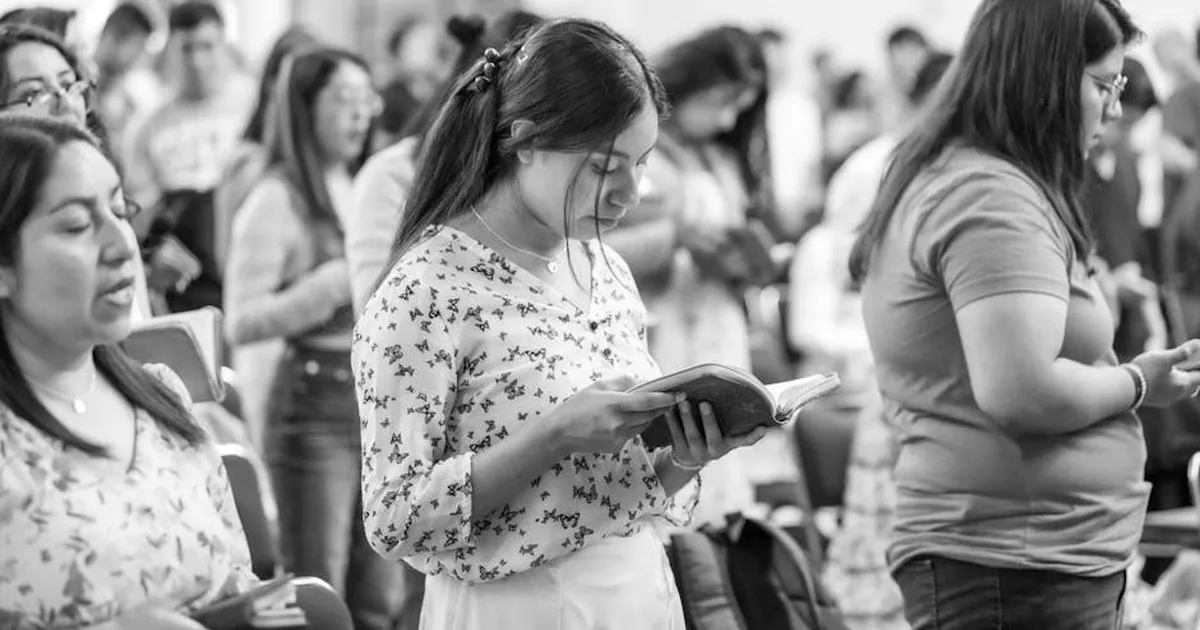
Throughout Christian history, worship has taken many forms—from the simple gatherings in homes described in the New Testament to the grand cathedrals with their elaborate rituals. Each expression has sought to honor God and draw people closer to divine presence. What matters most isn't the particular form worship takes, but the heart behind it—the genuine desire to worship "in spirit and in truth," as Jesus described to the Samaritan woman at the well (John 4:23-24, ESV).
Traditional forms of worship, whether they involve ancient languages, specific postures, or time-honored rituals, often connect us to centuries of Christian practice. They remind us that our faith isn't a recent invention but has deep roots stretching back through history. At the same time, contemporary expressions of worship can speak powerfully to our current experiences and cultural context. Both have value when they point people toward Christ.
Pope León XIV's approach recognizes that different communities may find different worship styles most meaningful. Rather than imposing uniformity, his leadership encourages respect for various traditions while keeping the focus on what truly matters: encountering the living God. This balanced perspective helps prevent worship styles from becoming sources of division rather than pathways to God.
Historical Context and Contemporary Application
Looking back at church history, we see that worship practices have always evolved while maintaining core elements of Christian faith. The early church adapted Jewish worship patterns, medieval Christians developed elaborate liturgical cycles, and Reformation leaders simplified worship to emphasize preaching and congregational participation. Each adaptation sought to make worship more meaningful for the people of that time and place.
Today, we face similar questions about how to worship in ways that are both faithful to Christian tradition and relevant to contemporary life. Pope León XIV's leadership suggests that this isn't an either/or choice—we can honor historical traditions while also making space for new expressions of worship that resonate with today's believers. The key is ensuring that all forms of worship ultimately direct our attention to Christ rather than to the forms themselves.
As Paul wrote to the Corinthians about spiritual gifts, "There are different kinds of gifts, but the same Spirit distributes them. There are different kinds of service, but the same Lord" (1 Corinthians 12:4-5, NIV). This principle applies to worship styles as well—different forms, but the same purpose of glorifying God.
Building Bridges Through Respectful Dialogue
In any diverse community, differences can either divide or enrich. The Christian community worldwide encompasses countless worship traditions—from silent Quaker meetings to exuberant Pentecostal services, from liturgical churches following ancient patterns to contemporary churches creating new forms. Each has developed in response to particular cultural contexts and spiritual needs.
Pope León XIV's approach encourages Christians to appreciate this diversity rather than see it as a problem to be solved. When we encounter worship styles different from our own, we have an opportunity to learn about how other believers experience God's presence. We might discover spiritual practices that enrich our own faith, or we might gain deeper appreciation for our own traditions by seeing them through others' eyes.
This doesn't mean abandoning theological convictions or pretending all differences are insignificant. It does mean approaching one another with the humility and love that Paul describes: "Be completely humble and gentle; be patient, bearing with one another in love. Make every effort to keep the unity of the Spirit through the bond of peace" (Ephesians 4:2-3, NIV). When discussions about worship practices become contentious, returning to this biblical principle can help restore perspective.
Practical Reflections for Your Worship Community
As you reflect on worship in your own faith community, consider these questions: What elements of your worship tradition most effectively draw you into God's presence? Are there aspects of other Christian worship traditions that might enrich your community's spiritual life? How can your community maintain its distinctive worship identity while still recognizing the validity of other expressions of Christian worship?
Perhaps your community could occasionally incorporate elements from different Christian traditions—reading a prayer from an ancient liturgy, learning a hymn from another culture, or simply taking time to learn about how other Christians worship. These practices can broaden our understanding of what it means to be part of the global body of Christ while deepening our own worship experiences.
Remember that worship isn't primarily about our preferences or comfort; it's about offering ourselves to God. As the Psalmist writes, "Ascribe to the Lord the glory due his name; worship the Lord in the splendor of his holiness" (Psalm 29:2, NIV). However we worship—whether with ancient rituals or contemporary expressions—may our hearts be oriented toward giving God the glory He deserves.
"Let the word of Christ dwell in you richly, teaching and admonishing one another in all wisdom, singing psalms and hymns and spiritual songs, with thankfulness in your hearts to God." (Colossians 3:16, ESV)
This verse reminds us that worship encompasses both the content of our faith ("the word of Christ") and the expression of that faith through song and thanksgiving. Whether our worship includes traditional Latin elements, contemporary music, or any other form, what matters is that Christ's word dwells in us richly and that we approach God with thankful hearts.
Moving Forward Together in Worship
As Christians navigating questions about worship traditions in our current era, we have an opportunity to model something beautiful to the world: people with different preferences and backgrounds united by common faith in Christ. Pope León XIV's approach encourages this unity-in-diversity perspective, recognizing that various worship forms can all be valid expressions of Christian faith when they point people toward Christ.
In your own spiritual journey, you might consider: How can you appreciate your own worship tradition while remaining open to learning from others? Are there ways your community can celebrate the diversity of Christian worship while maintaining its distinctive identity? How can discussions about worship styles become opportunities for mutual understanding rather than division?
Ultimately, our worship—in whatever form it takes—is preparation for the worship we'll participate in for eternity. John's vision in Revelation describes people "from every nation, tribe, people and language, standing before the throne and before the Lamb" (Revelation 7:9, NIV). That heavenly worship will far surpass any earthly forms, uniting all believers in perfect praise. Until then, may our various worship traditions on earth give us glimpses of that coming unity.



Comments