
In our Christian journey, there are moments when doubts seem to cloud our confidence. Perhaps you've wondered if God truly hears your prayers, or if that biblical promise applies to your particular situation. These questions aren't new; in fact, we find a powerful example in the disciple Thomas, who needed to see to believe.

The account we find in John 20:19-31 presents us with an intimate scene after Jesus' resurrection. The disciples were gathered together, fearful of what might happen to them, when suddenly Jesus appears among them. His greeting is revealing: "Peace be with you" (John 20:19, NIV). He doesn't come with reproaches for having abandoned him, but with the gift they needed most at that moment: peace.
Thomas's Experience: An Honest Doubt
When Thomas hears his companions' testimony about having seen the risen Lord, his response is understandable: "Unless I see the nail marks in his hands and put my finger where the nails were, and put my hand into his side, I will not believe" (John 20:25, NIV).
Many have criticized Thomas for his skepticism, but we can view his stance from another perspective:
- He honestly expressed what he needed to believe
- He wasn't satisfied with secondhand testimonies
- He maintained his desire to personally encounter Jesus
"Blessed are those who have not seen and yet have believed."
- John 20:29 (NIV)
Jesus's Compassionate Response
Eight days later, Jesus appears again when Thomas is present. Notice how the Lord acts:
- He addresses Thomas directly, showing he knows his doubts
- He invites Thomas to touch his wounds, satisfying exactly what he had asked for
- He doesn't rebuke him, but offers the evidence he needed
This interaction shows us a Jesus who understands our faith struggles. He doesn't demand blind trust, but meets us at our level of understanding. As Pope Leo XIV says in one of his early homilies: "God isn't afraid of our questions, because honest dialogue strengthens relationship."
Faith Beyond the Visible
Thomas's encounter with the risen Jesus transforms his doubt into one of the deepest confessions in the New Testament: "My Lord and my God!" (John 20:28, NIV). This declaration goes beyond recognizing Jesus as teacher or prophet; it's a recognition of his divinity.
Jesus then speaks words that travel through centuries to reach us: "Because you have seen me, you have believed; blessed are those who have not seen and yet have believed" (John 20:29, NIV). This blessing is for all believers who, throughout history, have trusted without having physically seen the Lord.
Application for Our Church Life Today
In our Christian communities, we can learn several lessons from this passage:
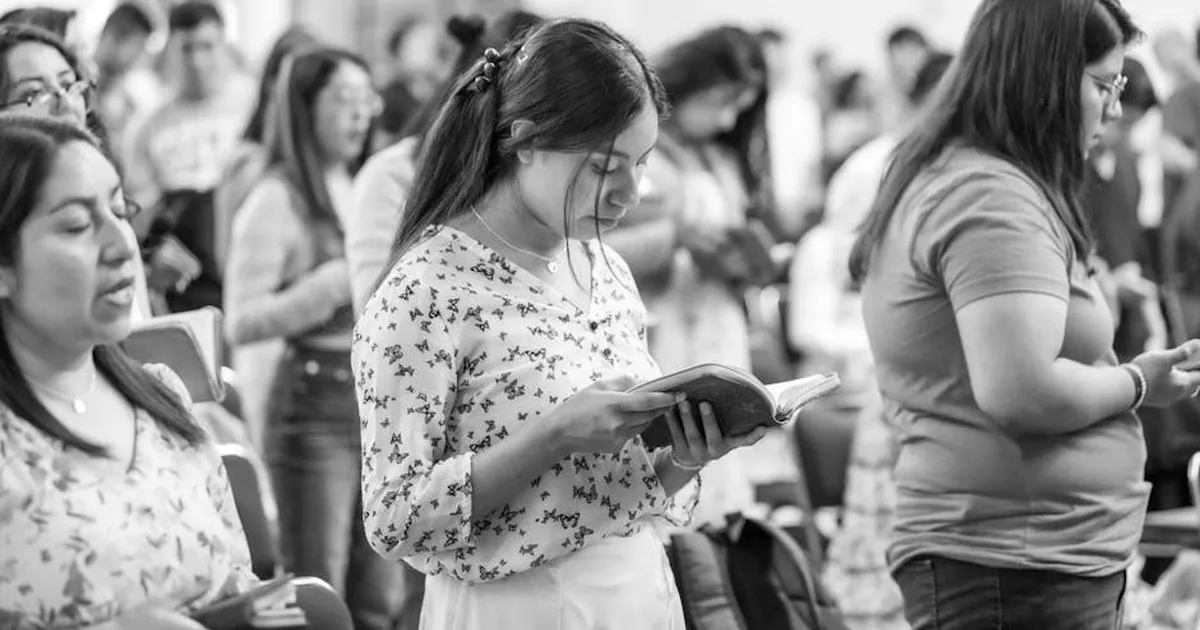
- Create safe spaces for questions: Just as Jesus welcomed Thomas's doubt, our churches should be places where people can honestly express their faith struggles without fear of judgment.
- Value personal testimonies: The disciples shared what they had experienced, and although Thomas initially didn't accept it, that testimony prepared the ground for his personal encounter with Jesus.
- Seek authentic encounters with God: Our faith isn't based only on what others tell us, but on our own relationship with Christ through prayer, the Word, and community.
In a world full of uncertainty, where news constantly changes and certainties seem scarce, Jesus's message resonates with special strength. Let's remember that although Pope Francis left us physically in April 2025, his legacy of dialogue and encounter continues to inspire us. The current Pope Leo XIV, elected in May 2025, encourages us to keep alive that tradition of faith that isn't afraid of sincere questions.
May your church communities cultivate this same attitude of welcome and understanding. The peace Jesus offers isn't the absence of questions, but the presence of the One who walks with us even in our deepest doubts.



Comments