
Brothers and sisters in Christ, how many times recently have we sat before screens with heavy hearts? News about international tensions, blockades in strategic sea routes, and failed peace dialogues seem to repeat in a cycle that wearies the soul. While ships position themselves in straits carrying the weight of the global economy, we, in the quiet of our homes or communities, carry the weight of concern. As children of God, we are called to live in the world, but not to be of the world (John 17:14-16). What does this mean when the winds of geopolitics blow so fiercely?
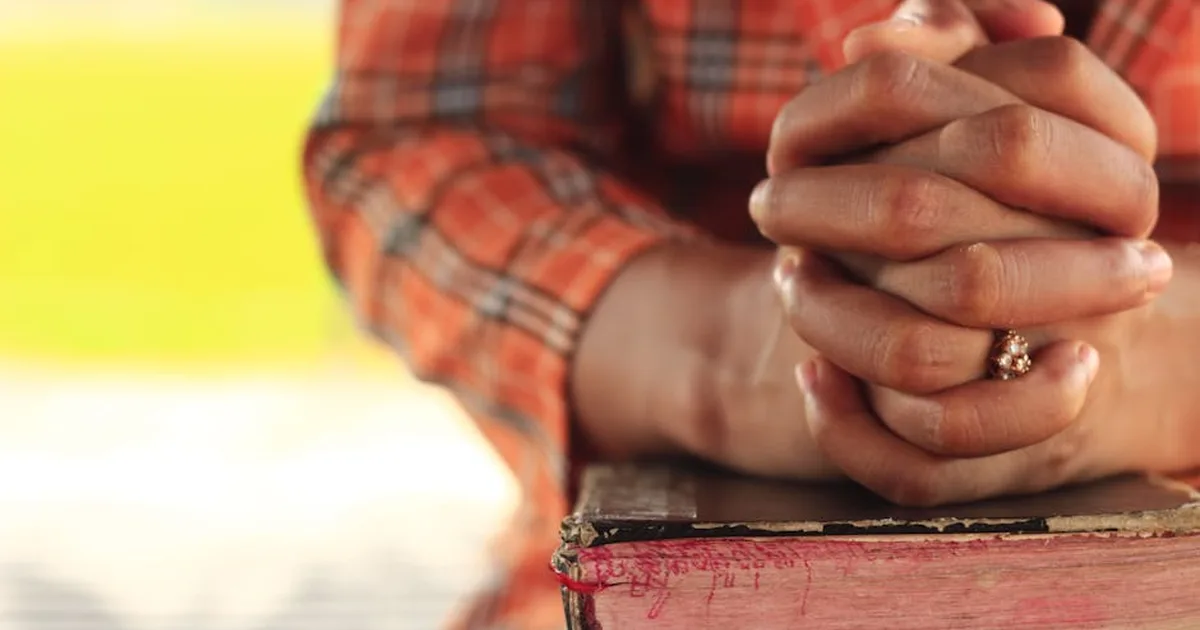
The Strait of Our Faith
The apostle Paul, writing to the Philippians from a Roman prison – a context of palpable restriction and uncertainty – left us a treasure:
"Do not be anxious about anything, but in every situation, by prayer and petition, with thanksgiving, present your requests to God. And the peace of God, which transcends all understanding, will guard your hearts and your minds in Christ Jesus." (Philippians 4:6-7, NIV)This peace that "transcends all understanding" is the divine antidote to anxiety generated by conflicts that, humanly speaking, seem insoluble. It does not deny reality, but enables us to navigate it with a serenity that comes from above.
The Call to Peace That Begins Within Us
In a world that quickly assigns blame – "each side blamed the other," as so many headlines repeat – we are invited to a different path. Christ himself, our foundation, taught us:
"Blessed are the peacemakers, for they will be called children of God." (Matthew 5:9, NIV)Being a peacemaker is not a vocation only for diplomats in distant capitals. It is a daily mission, in the microcosm of our lives:
- In the family: Seeking sincere dialogue instead of shouting, forgiveness instead of resentment.
- In the community: Being bridges where there are divisions, promoting understanding between generations and different perspectives.
- In society: Rejecting the language of hatred and polarization, which mirrors on a small scale the great conflicts.
Global peace is built with the bricks of personal and community peace. When we cultivate shalom – God's full and integral peace – in our circles, we are radiating a powerful testimony to the world.
Prayer at the Center of the Storm
The late Pope Francis, whose legacy of dialogue and encounter still inspires us, and our current Pope León XIV, who continues to exhort us to fraternity, both remind us that prayer is the Christian's first and primary tool. In situations of international conflict, our prayer should be:
- Intercessory: For all leaders involved, that God's wisdom may illuminate their decisions (1 Timothy 2:1-2).
- Humble: Recognizing that we don't have all the answers, but we trust in the One who does.
- Active: That leads us to act with compassion, especially toward those most affected by the consequences of conflicts, such as the rising cost of living.
Jesus, in the Garden of Gethsemane, faced the darkest hour with prayer (Matthew 26:36-44). This is our model for facing the somber news that reaches us.
Practical Reflection: From Global to Personal
When reading about blockades in distant straits, we can pause and ask: where do "straits" exist in my own heart? What passages have I myself blocked to the flow of God's grace? Perhaps it's the strait of forgiveness, which refuses to let mercy pass. Or the strait of indifference, which prevents compassion from reaching the needy brother or sister.
Our practical challenge for this week is this: choose one personal "strait" – a strained relationship, a habit that distances you from God, a prejudice that separates you from others – and pray specifically for the grace to open it. Then, take one small concrete step toward reconciliation or healing. As God's peace guards our hearts, our actions, however small, can help unlock the world's straits.


Comments