
In the life of the Christian community, seasons of transition often arrive unexpectedly, inviting us to reflect on our foundations while looking ahead with hope. The recent passing of Pope Francis and the subsequent election of Pope León XIV has marked such a moment for many believers around the world. These events remind us that while human leadership changes, our faith remains anchored in something—and Someone—eternal. As we navigate these shifts, we’re called to remember that the Church is ultimately built not on any single individual, but on the enduring love and guidance of Christ.
Change within religious institutions can sometimes feel unsettling, yet Scripture consistently points us toward stability that transcends earthly circumstances. The writer of Hebrews reminds us,
“Jesus Christ is the same yesterday and today and forever.”(Hebrews 13:8, NIV). This truth offers profound comfort when familiar faces and patterns give way to new ones. Our shared journey as Christians has always been one of both continuity and renewal, where each generation builds upon the faith of those who came before while responding to the needs of its own time.
In moments of transition, we might naturally feel a mix of emotions—gratitude for what has been, curiosity about what will be, and perhaps even some apprehension. These feelings are part of being human within a living tradition. What matters most is how we channel these emotions into prayerful support for our leaders and renewed commitment to our core mission: sharing God’s love with a hurting world.
Honoring Legacy While Embracing New Beginnings
The process of honoring those who have served while welcoming new leadership reflects a beautiful aspect of Christian community. We see this pattern throughout Scripture, from Moses passing responsibility to Joshua to Paul mentoring Timothy for ministry. Each transition carried both the weight of legacy and the promise of fresh direction. Similarly today, as we remember Pope Francis’s ministry with thankfulness, we also extend our prayers and support to Pope León XIV as he begins his service.
This dual movement—honoring the past while stepping into the future—requires intentional spiritual practice. The apostle Paul encouraged the Philippian church,
“Forgetting what is behind and straining toward what is ahead, I press on toward the goal to win the prize for which God has called me heavenward in Christ Jesus.”(Philippians 3:13-14, NIV). This doesn’t mean erasing memory, but rather not allowing the past to hinder our forward movement in faith. We carry forward the best of what we’ve received while remaining open to how God might work in new ways.
Practical ways to engage this season include praying regularly for both former and current leaders, studying how previous generations of Christians navigated transitions, and reflecting on what aspects of our own faith might need renewal. Such practices help us participate actively rather than passively observing changes around us.
The Example of Saint Augustine
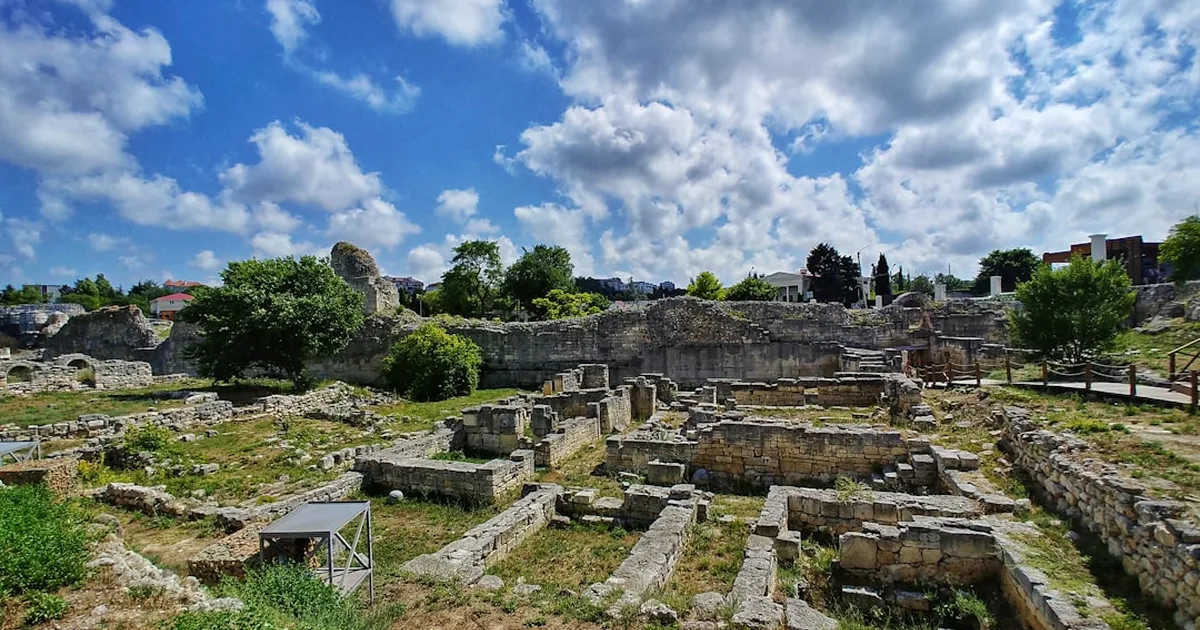
Recent visits by church leaders to significant historical sites, such as Hippo where Saint Augustine served, highlight how connecting with our spiritual heritage can inform present ministry. Augustine’s own journey—from restless seeker to influential bishop—demonstrates how God transforms individuals and uses them to shape communities across centuries. His writings continue to inspire Christians today because they address timeless human struggles with divine grace.
When leaders pilgrimage to such places, they physically enact what all believers do spiritually: standing where faithful ones stood before, drawing inspiration from their examples, and asking how their wisdom applies to contemporary challenges. We might not all visit ancient archaeological sites, but we can all explore the rich history of our faith through Scripture, biographies of believers, and the testimonies of those in our own communities who have walked with God through many seasons.
Healing and Justice in Christian Community
Amidst broader church transitions, particular communities continue the difficult but essential work of addressing past harms and pursuing healing. Reports about survivors of abuse seeking justice remind us that part of honoring our faith involves creating communities where vulnerability is protected rather than exploited. The gospel calls us to particular care for those who have been wounded, especially within spaces meant to be safe.
Scripture consistently emphasizes God’s heart for justice and healing. The prophet Micah declared what God requires:
“To act justly and to love mercy and to walk humbly with your God.”(Micah 6:8, NIV). This threefold calling—justice, mercy, humility—provides a framework for how Christian communities should respond when harm has occurred. Justice involves addressing wrongs honestly; mercy extends compassion to all affected; humility recognizes our continual need for God’s guidance in complex situations.
For local congregations, this might mean examining our own practices regarding safety and accountability, creating spaces where painful experiences can be shared without shame, and supporting broader efforts toward truth and reconciliation. Healing rarely follows straight lines, but patient, prayerful commitment to these values reflects Christ’s own ministry to the broken and marginalized.
Living Our Faith in Daily Community
Ultimately, news about larger church structures finds its meaning in how faith is lived out in everyday Christian communities—in local churches, small groups, families, and individual hearts. Whether discussing global leadership or local ministry, what matters most is how our beliefs translate into loving action toward our neighbors. James challenged early Christians,
“Do not merely listen to the word, and so deceive yourselves. Do what it says.”(James 1:22, NIV).
This practical faith manifests in countless ordinary ways: welcoming newcomers to our worship services, checking on elderly members who live alone, volunteering at community food banks, forgiving someone who has hurt us, or simply listening attentively to a friend’s struggles. In these actions, the abstract becomes concrete, and theological concepts about “the Church” become lived reality.
Periods of transition in broader Christian structures can actually renew our attention to these local expressions of faith. When we wonder about the future direction of large institutions, we can always return to what’s before us: the people in our own circles who need encouragement, the local needs we can help meet, the daily choices to live with integrity and compassion. Here, faith finds its most authentic expression.
Reflection and Moving Forward Together
As we consider recent developments in the wider Christian world, let’s reflect on our own place within this story. How do global events connect to your local faith community? What aspects of Christian tradition feel most vital to you right now? Where might God be inviting you to participate in healing, renewal, or welcome?
Take a moment to pray for Christian leaders worldwide—both those concluding seasons of service and those beginning new ones. Ask God to grant them wisdom, compassion, and clarity. Then pray for your own community, that it might be a place where Christ’s love is tangible to all who enter. Finally, consider one practical step you could take this week to strengthen either your local church or your personal faith journey during this season of change.
Transitions remind us that the Church is always both ancient and new, both institutional and intimate, both global and local. However structures shift, our calling remains constant: to love God and love our neighbors, trusting that the same Spirit who guided believers through past centuries continues to guide us today.



Comments