
In every Christian community, there come moments when familiar patterns shift and new chapters begin. These transitions can feel unsettling, whether they involve leadership changes, evolving ministries, or adjustments in how we gather as believers. Yet throughout Scripture, we see God's people navigating seasons of change while holding fast to their faith. The early church experienced dramatic transformations—from persecution to acceptance, from small house gatherings to established communities—and through it all, they discovered that God's presence remained constant even when circumstances changed.
Many churches today face their own transitions. Some welcome new pastors after long-serving leaders retire. Others adapt their ministries to meet changing community needs. Still others find themselves reconsidering long-held traditions in light of new understanding. In these moments, it's natural to feel a mix of emotions: gratitude for what has been, uncertainty about what's to come, and hope for what God might do next. As Paul wrote to the Philippians, "I am confident of this, that he who began a good work in you will carry it on to completion until the day of Christ Jesus" (Philippians 1:6, NIV). This assurance can anchor us when everything else seems to be shifting.
Transition isn't merely something to endure; it can become an opportunity for spiritual growth. When familiar routines are disrupted, we're often prompted to examine what truly matters in our faith communities. We might rediscover forgotten aspects of our calling or identify new ways to serve our neighbors. The discomfort of change can push us toward deeper dependence on God and renewed commitment to one another. Like the Israelites following the pillar of cloud through the wilderness, we learn to trust God's guidance even when the path ahead isn't fully clear.
Historical Transitions and Present-Day Parallels
Church history reveals numerous periods of significant transition that shaped Christian communities for generations. The early centuries saw the church move from being a persecuted minority to an established institution within the Roman Empire. The Reformation brought profound changes in how Christians understood authority, worship, and community. More recently, the Second Vatican Council initiated substantial developments in Catholic practice and ecumenical relationships. Each of these transitions involved both loss and gain, challenge and opportunity.
In our own time, we've witnessed meaningful transitions in Christian leadership. Following the passing of Pope Francis in April 2025, the Catholic Church entered a new chapter with the election of Pope León XIV. Such moments remind all Christian communities that leadership transitions are normal parts of our shared journey. They invite us to reflect on how we honor past contributions while embracing future possibilities. As the writer of Hebrews reminds us, "Remember your leaders, who spoke the word of God to you. Consider the outcome of their way of life and imitate their faith" (Hebrews 13:7, NIV).
Contemporary churches face transitions that extend beyond leadership changes. Many are learning to balance in-person and digital gatherings in ways that foster genuine connection. Others are reconsidering how to address social issues with both conviction and compassion. Some are navigating demographic shifts in their neighborhoods or changes in worship preferences across generations. These challenges aren't signs of failure but rather indications that living faith communities must continually adapt to remain faithful to their mission in changing contexts.
Biblical Wisdom for Navigating Uncertainty
Scripture offers abundant wisdom for seasons of transition. The Psalms frequently express the tension between remembering God's past faithfulness and trusting him for future provision. "I will remember the deeds of the Lord; yes, I will remember your miracles of long ago" (Psalm 77:11, NIV). This practice of remembrance strengthens our confidence that the God who has been faithful will continue to be faithful, even when our circumstances change dramatically.
The New Testament provides practical guidance for churches in transition. Paul's letters to various congregations often addressed changing dynamics within those communities. He encouraged the Ephesians to "make every effort to keep the unity of the Spirit through the bond of peace" (Ephesians 4:3, NIV), recognizing that transitions can strain relationships if not approached with intentional grace. To the Corinthians, he offered the beautiful metaphor of the body: "Now you are the body of Christ, and each one of you is a part of it" (1 Corinthians 12:27, NIV). This reminds us that during times of change, every member has value and contributes to the health of the whole community.
Jesus himself prepared his disciples for significant transitions. He knew they would face his departure, the coming of the Spirit, and the expansion of their ministry beyond Jewish communities. His words in John 14 provide comfort for all seasons of change: "Do not let your hearts be troubled. You believe in God; believe also in me" (John 14:1, NIV). This invitation to trust remains relevant whenever Christian communities face uncertainty about their future direction or identity.
Practical Steps for Churches in Transition
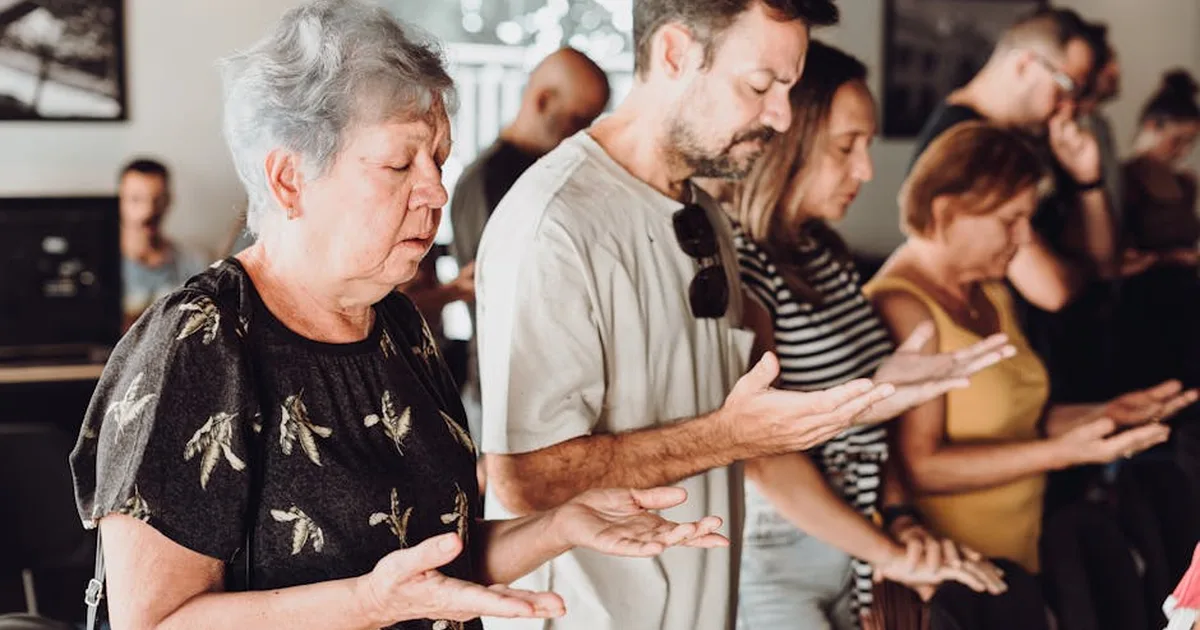
When navigating change, Christian communities can take several practical steps to maintain unity and purpose. First, create regular opportunities for prayerful reflection together. Set aside time in worship services or small groups to specifically pray about the transitions your community is facing. Second, practice transparent communication. When people understand the reasons for changes and the process being followed, they're more likely to respond with grace rather than anxiety. Third, honor what has been while making space for what will be. This might involve creating rituals of gratitude for past ministries while commissioning new initiatives.
Fourth, identify the non-negotiables—those core commitments that won't change regardless of circumstances. For most Christian communities, these include commitment to Scripture, to loving God and neighbor, to worship, and to serving those in need. Fifth, be patient with one another. Different people process change at different paces, and extending grace during transitions strengthens community bonds. Finally, keep mission at the center. When discussions about change become contentious, returning to the question "How does this help us fulfill our calling?" can provide helpful perspective.
Finding Stability in What Endures
Amidst all transitions, certain foundations remain unshakable. God's character doesn't change: "Jesus Christ is the same yesterday and today and forever" (Hebrews 13:8, ESV). The gospel message doesn't change: it remains the good news of God's love revealed in Jesus Christ. The call to love God and neighbor doesn't change, though how we live out that love might adapt to new circumstances. The promise of God's presence doesn't change: "And surely I am with you always, to the very end of the age" (Matthew 28:20, NIV).
Christian communities that navigate transitions well often develop a healthy rhythm of remembering and anticipating. They remember God's faithfulness in their past, celebrating milestones and honoring those who have contributed to their journey. They also anticipate God's continued work in their future, praying for guidance and remaining open to new possibilities. This balanced perspective prevents both nostalgic clinging to what was and reckless pursuit of novelty for its own sake.
Transitions also invite us to examine our attachments. Sometimes we resist change not because something is essential to our faith, but because it's familiar and comfortable. The early church faced this when Gentile believers began joining what had been a predominantly Jewish movement. Through prayer and discernment, they distinguished between cultural practices and gospel essentials. Contemporary churches can engage in similar discernment, asking what practices serve our mission and which might need adaptation to remain effective.
Reflection and Application
As you consider transitions in your own faith community, take a moment for personal reflection. What changes are you currently experiencing or anticipating? How have you seen God's faithfulness during past transitions? What anxieties or hopes do you carry about what lies ahead? Consider writing down your responses and bringing them to God in prayer.
For group discussion or personal journaling: How might your community practice gratitude for its history while remaining open to God's future leading? What aspects of your shared life feel most essential to preserve during times of change? Where might God be inviting your community to grow or adapt? How can you support one another with extra grace during seasons of transition?
Remember that transitions, while sometimes challenging, are part of what it means to be a living community of faith. Like a tree that sheds leaves in autumn only to produce new growth in spring, Christian communities experience seasons that prepare them for renewed vitality. However your community navigates its current transitions, may you find comfort in God's unchanging love and guidance.




Comments