
In the midst of our fast-paced lives, Holy Week invites us to slow down and reflect on the deepest mysteries of our faith. Music has always been a powerful vehicle for prayer and contemplation, helping us connect with God in ways that words alone cannot. Recently, a performance of 18th-century French sacred works in the historic Chapelle Royale at Versailles reminded listeners of the timeless beauty and spiritual depth of Baroque music. While we may not all have access to such grand settings, the themes of these compositions—sorrow, hope, redemption—speak directly to the Christian journey.
As we explore how these musical masterpieces can enrich our faith, we'll see that they are not just historical artifacts but living prayers that can still move our hearts today. Whether you are a longtime lover of classical music or new to this genre, there is something here for every believer seeking a deeper encounter with God during Holy Week.
The Stabat Mater: Standing at the Cross with Mary
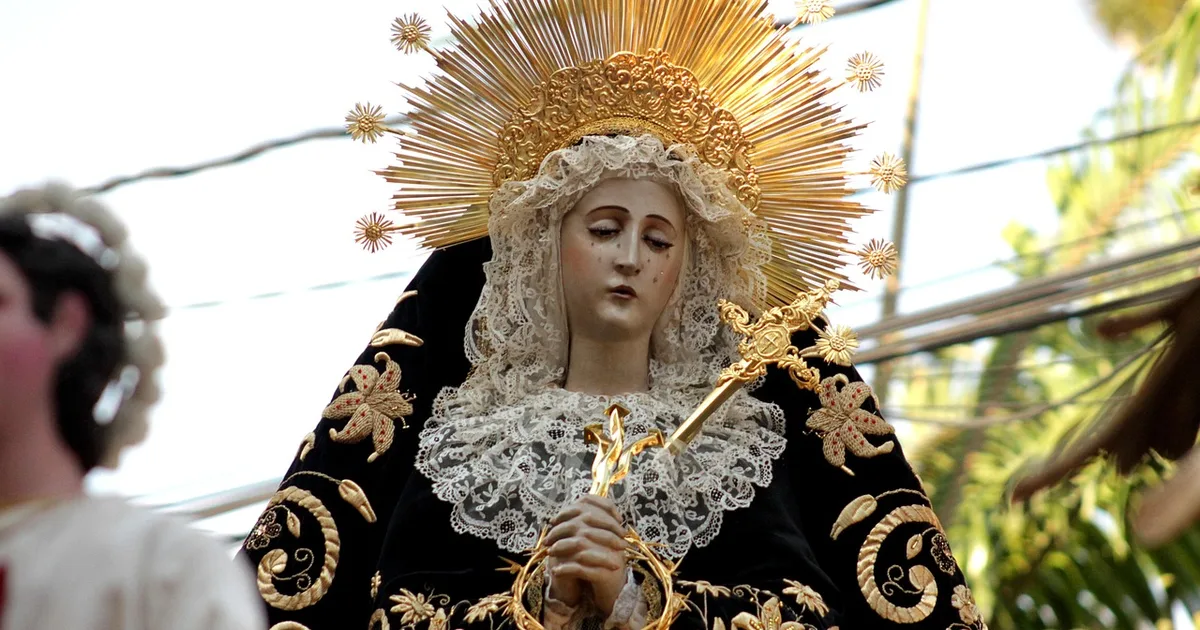
One of the most poignant pieces performed was Sébastien de Brossard's Stabat Mater, a setting of the 13th-century hymn that depicts Mary standing at the foot of the cross. The text, which begins "Stabat mater dolorosa" ("The sorrowful mother stood"), has been set to music by countless composers, but Brossard's version offers a uniquely intimate and tender perspective.
For Christians, this scene is a powerful reminder of the cost of our salvation. Mary's presence at the crucifixion shows us what faithful discipleship looks like: staying close to Jesus even when everything seems lost. The Bible tells us in John 19:25 that "standing by the cross of Jesus were his mother and his mother's sister, Mary the wife of Clopas, and Mary Magdalene." This quiet witness speaks volumes about loyalty and love.
"But he was pierced for our transgressions; he was crushed for our iniquities; upon him was the chastisement that brought us peace, and with his wounds we are healed." — Isaiah 53:5 (ESV)
As we listen to the Stabat Mater during Holy Week, we are invited to stand with Mary and reflect on the depth of Christ's sacrifice. It is a moment to allow the music to carry our grief, our gratitude, and our hope.
Couperin's Leçons de Ténèbres: Finding Light in Darkness
Another highlight of the concert was François Couperin's Leçons de Ténèbres (Lessons of Darkness), composed for the Tenebrae services of Holy Week. These pieces set texts from the Lamentations of Jeremiah, which mourn the destruction of Jerusalem. The music is spare, haunting, and deeply moving—perfect for the somber mood of the Triduum.
Couperin's work invites us to sit with the reality of suffering and loss, both in the biblical narrative and in our own lives. Yet, even in the darkest moments, the music hints at the hope of the resurrection. This mirrors the Christian journey: we do not shy away from pain, but we move through it with the assurance that God is with us.
"The steadfast love of the Lord never ceases; his mercies never come to an end; they are new every morning; great is your faithfulness." — Lamentations 3:22-23 (ESV)
For modern believers, these pieces can serve as a soundtrack for our own times of lament. Whether we are grieving a personal loss, praying for a broken world, or simply feeling the weight of our own sin, the Leçons de Ténèbres remind us that God does not abandon us in the darkness.
Practical Ways to Incorporate Sacred Music into Your Holy Week
You don't need to visit the Palace of Versailles to experience the transformative power of sacred music. Here are some simple ways to let Baroque and other spiritual music deepen your Holy Week observance:
- Listen intentionally: Set aside 15-20 minutes each day to listen to a piece like the Stabat Mater or Leçons de Ténèbres. Use it as a time of prayer, letting the music guide your reflections on the Passion.
- Read the Scripture behind the music: Before listening, read the biblical passages that inspired the composition. For the Stabat Mater, read John 19:25-27. For the Leçons de Ténèbres, read Lamentations 1-3.
- Create a quiet space: Turn off distractions, light a candle, and allow the music to fill your home. This can be especially meaningful on Good Friday or Holy Saturday.
- Share with others: Invite family or friends to listen together, and discuss what the music stirs in your hearts. It can be a beautiful way to build community during Holy Week.
Conclusion: From Mourning to Morning Joy
Holy Week is a journey from the sorrow of the cross to the joy of the empty tomb. The music of Brossard, Couperin, and their contemporaries helps us traverse that path with greater awareness and devotion. As we immerse ourselves in these ancient sounds, we discover that our own stories of suffering and hope are woven into the larger story of God's redemption.
Take a moment this week to pause, listen, and let the music speak to your soul. You may find that the harmonies of the past have a fresh word for your present. Consider this: How can you intentionally create space for God to meet you through music or other arts during this holy season? The invitation is open to all who seek a deeper encounter with the living Christ.





Comments