
Throughout Christian history, believers have encountered moments where their faith was tested in ways they never anticipated. These stories from centuries past continue to speak to us today, reminding us that our relationship with God often grows deepest when we least expect it. The Christian journey isn't always predictable, and sometimes the most profound spiritual lessons come wrapped in challenging circumstances.
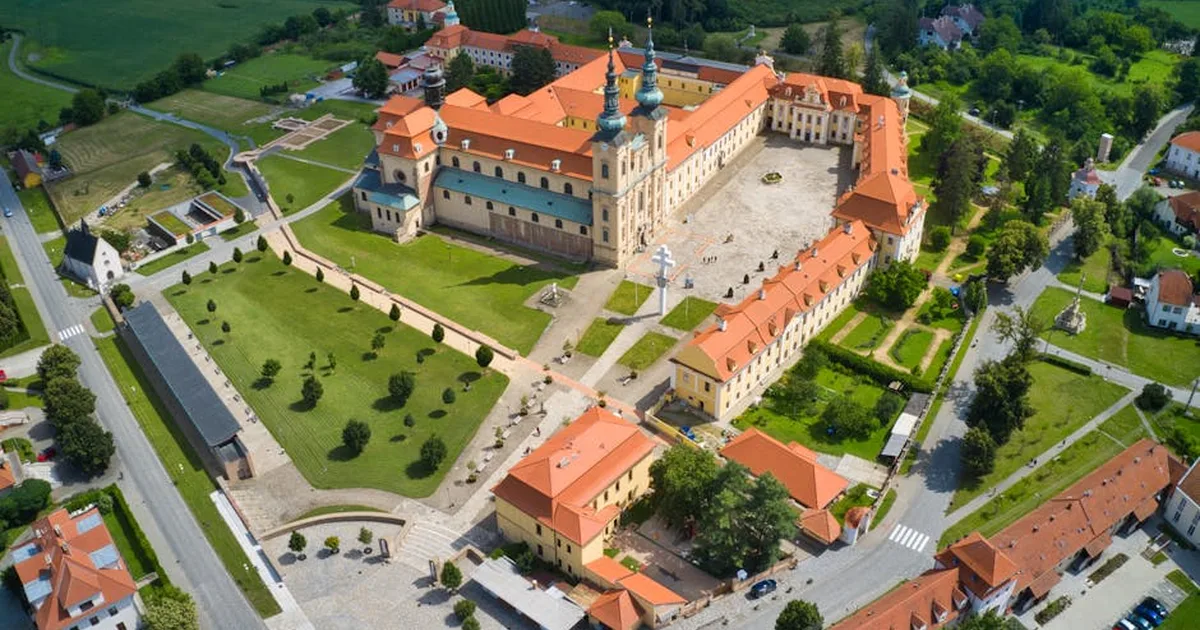
Consider the early Christian communities who gathered in homes, catacombs, and simple meeting places. Their faith wasn't expressed through grand cathedrals or elaborate programs but through genuine devotion and commitment to one another. In our modern church life, we can sometimes lose sight of this simplicity, focusing more on structures than on the substance of our faith.
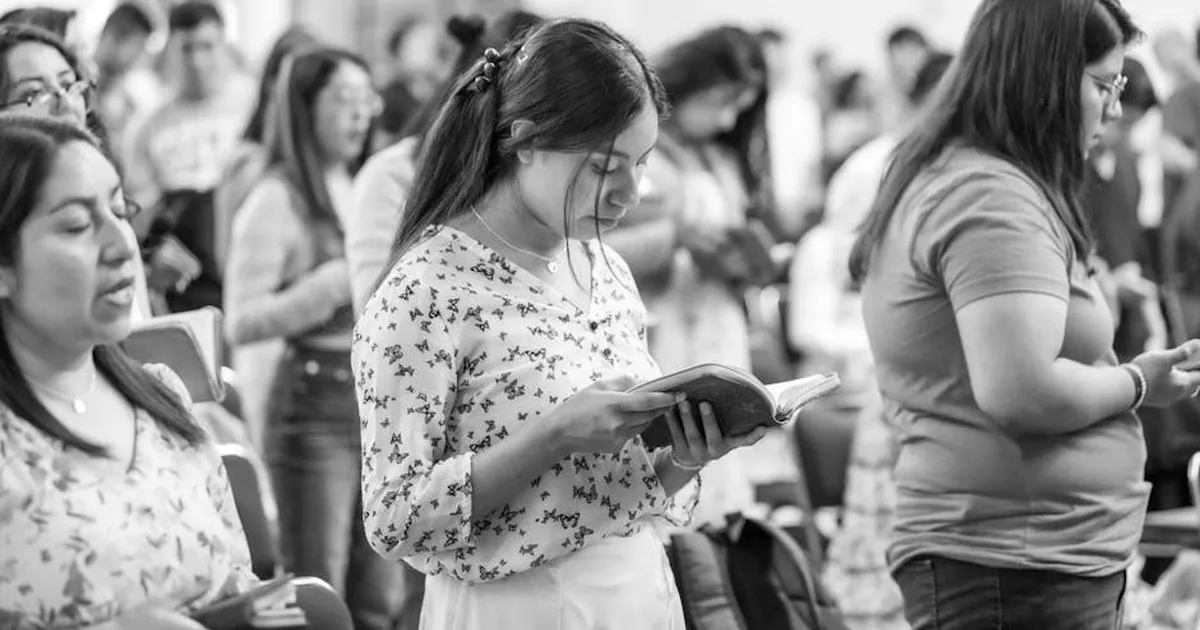
The Bible reminds us in Hebrews 10:24-25 (NIV): "And let us consider how we may spur one another on toward love and good deeds, not giving up meeting together, as some are in the habit of doing, but encouraging one another—and all the more as you see the Day approaching." This encouragement to gather isn't about perfect circumstances but about faithful presence with one another.
Historical Faithfulness in Difficult Times
Looking back at Christian history reveals remarkable stories of perseverance. In the 7th century, communities of believers in remote places lived out their faith with remarkable dedication. These early Christians, often living in monastic communities, demonstrated what it means to prioritize spiritual commitment above all else.
Their daily rhythms of prayer, work, and study created spaces where faith could flourish even in challenging environments. While our modern contexts differ significantly, we can still learn from their example of creating intentional spiritual practices. Their lives remind us that faithfulness isn't measured by comfort but by consistency in seeking God.
These historical Christians faced various challenges—from harsh living conditions to external threats—yet they maintained their commitment to worship and community. Their example challenges us to consider what we prioritize in our own spiritual lives and church communities today.
Modern Applications of Ancient Wisdom
While we don't face the same physical dangers as some early Christians, we encounter different challenges in maintaining our spiritual commitments. Distractions, busyness, and competing priorities can make consistent faith practice difficult. Yet the same principles that sustained believers centuries ago can strengthen us today.
Creating regular rhythms of prayer, gathering with other believers, and studying Scripture remain foundational to Christian growth. These practices don't require perfect circumstances—they simply require our willing participation. As we engage in them, we discover that God meets us right where we are, transforming our ordinary moments into opportunities for spiritual growth.
Integrity in Church Leadership and Community
Every Christian community faces the challenge of maintaining integrity in both spiritual and practical matters. Financial stewardship represents one important aspect of this integrity, reflecting our values and priorities as believers. When resources are managed wisely and transparently, it builds trust within the community and honors God.
The Bible offers guidance on this matter in 1 Timothy 3:2-7 (ESV), which outlines qualifications for church leadership including being "above reproach, the husband of one wife, sober-minded, self-controlled, respectable, hospitable, able to teach, not a drunkard, not violent but gentle, not quarrelsome, not a lover of money." These standards apply not only to individuals but to how communities function collectively.
Healthy churches establish systems of accountability that protect both leaders and congregations. These systems aren't about suspicion but about wisdom—recognizing that we all need support and oversight in our spiritual journeys. When churches implement thoughtful financial controls and transparent processes, they create environments where trust can flourish.
Such integrity extends beyond finances to all areas of church life. How we communicate, how we make decisions, and how we handle conflicts all reflect our commitment to living out our faith authentically. These practical matters, while sometimes seeming mundane, actually form the foundation for spiritual growth and community health.
Navigating Differences with Grace
Christian communities throughout history have navigated differences in theology, practice, and perspective. Today, we continue to face similar challenges as we seek to maintain unity while acknowledging diversity within the body of Christ. How we handle these differences often says more about our faith than our agreements do.
The apostle Paul addressed this challenge in Romans 14:1 (NIV): "Accept the one whose faith is weak, without quarreling over disputable matters." This wisdom reminds us that some differences matter more than others, and that maintaining loving relationships often requires grace and understanding.
In our current context, we've witnessed transitions in church leadership that remind us of both continuity and change within the Christian tradition. Following the passing of Pope Francis in April 2025, the election of Pope León XIV (Robert Francis Prevost) in May 2025 represents another chapter in the ongoing story of Christian leadership. Such transitions invite us to reflect on what remains constant in our faith even as expressions and leadership change.
When disagreements arise—whether about theology, practice, or other matters—we have an opportunity to demonstrate the love Christ called us to embody. This doesn't mean avoiding difficult conversations, but rather approaching them with humility, seeking understanding, and prioritizing relationship over being right.
Practical Steps for Gracious Engagement
Navigating differences well requires intentional practices. First, we can cultivate active listening—truly seeking to understand others' perspectives before responding. Second, we can distinguish between essential doctrines and secondary matters, giving appropriate weight to each. Third, we can pray for wisdom and guidance, recognizing that only God sees the complete picture.
These practices help create communities where people feel safe to explore their faith, ask questions, and grow together. They transform potential conflicts into opportunities for mutual understanding and spiritual development.
Building Resilient Faith Communities
What makes a faith community resilient? It's not the absence of challenges but the presence of certain characteristics that help believers navigate difficulties together. These include shared commitment to core beliefs, genuine care for one another, and practical support systems that help members through life's inevitable struggles.
Resilient churches create spaces where people can be authentic about their doubts, questions, and struggles. They recognize that faith journeys include seasons of certainty and seasons of questioning, and they provide support through all of them. This authenticity fosters deeper connections and more meaningful spiritual growth.
Practical elements like small groups, mentoring relationships, and service opportunities help build this resilience. When people connect regularly in smaller settings, they develop relationships that can weather challenges. When newer believers connect with more experienced ones, wisdom gets passed along. And when communities serve together, they develop shared purpose that transcends individual preferences.
"Therefore encourage one another and build one another up, just as you are doing." - 1 Thessalonians 5:11 (ESV)
This biblical encouragement reminds us that building up one another isn't optional—it's essential to healthy Christian community. Our words, actions, and attitudes either contribute to building up or tearing down, and we have the opportunity each day to choose encouragement.
Reflection and Application
As we consider these various aspects of church life—from historical examples to modern challenges—what might God be inviting us to examine in our own spiritual journeys? Perhaps it's our commitment to regular spiritual practices, our approach to differences within our communities, or our contribution to building resilient faith environments.
Take a moment to reflect on your current church involvement. Are there areas where you could deepen your commitment or extend more grace? Are there relationships that need attention or healing? How might you contribute to creating a more authentic, supportive faith community?
Consider one practical step you could take this week to strengthen either your personal faith or your church community. It might be as simple as reaching out to someone you haven't seen recently, volunteering for a service opportunity, or setting aside additional time for prayer and reflection. Small, consistent actions often create the most significant spiritual growth over time.
Finally, remember that Christian community, at its best, reflects God's love to the world. As we navigate the complexities of church life together, we have the privilege of demonstrating what it means to live in grace, pursue integrity, and build one another up in faith. This witness, lived out in ordinary moments and through various challenges, becomes one of our most powerful testimonies to God's transforming work in our lives.




Comments