
In recent months, armed conflicts around the world have left deep scars—not only on people's lives but also on the places they hold sacred. Churches, mosques, synagogues, and other worship sites have been destroyed or severely damaged, taking with them centuries of history, art, and faith. This reality grieves us as a Christian community, because we know these spaces are more than buildings: they are homes for prayer, community gatherings, and the memory of our ancestors in faith.
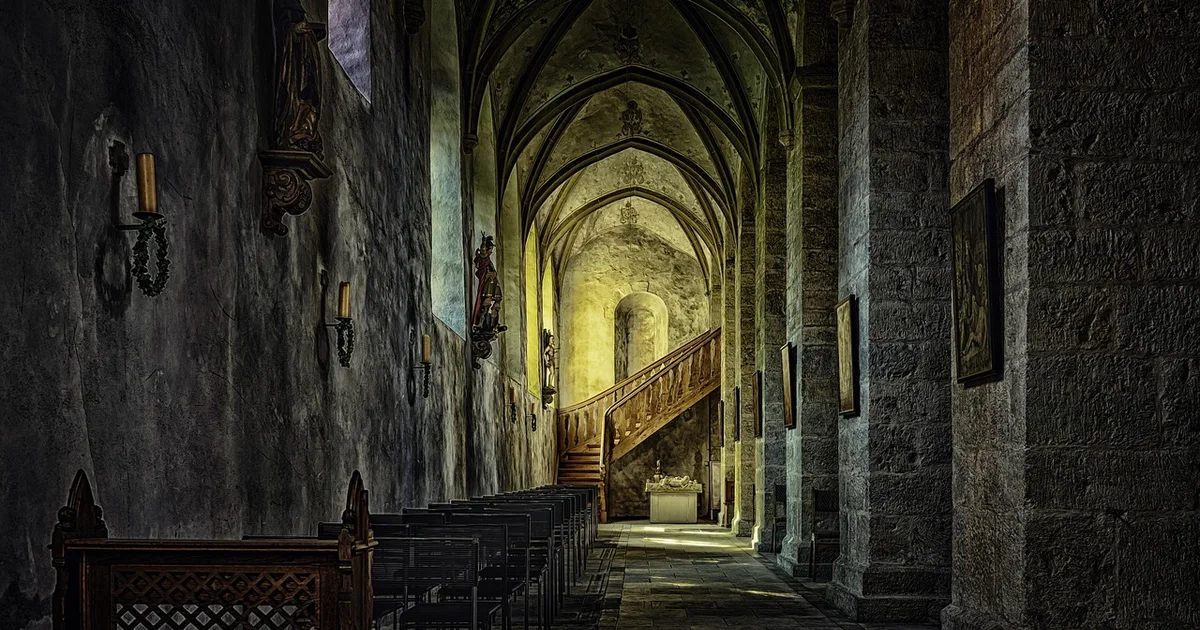
The Holy See, through its Permanent Observer to UNESCO, has raised its voice to remind the world that protecting cultural and religious heritage is not a luxury but a priority. In a context where international norms seem to be ignored, defending these places becomes an act of resistance and hope. As Christians, we are called to be a voice for the voiceless and to cry out for peace in the midst of chaos.
Faith as a Refuge in Times of Conflict
The Bible reminds us that God is our refuge and strength, an ever-present help in trouble (Psalm 46:1, NIV). Amid war, churches become that physical and spiritual refuge for millions. Yet when these places are attacked, not only walls are destroyed, but also the hope of those seeking comfort in them.
In Ukraine and the Middle East, entire communities have seen their temples reduced to rubble. The loss goes beyond the material: collective memory is erased, the bond with past generations is broken, and fear is sown in the hearts of the faithful. But faith is not extinguished by bombs; on the contrary, it is strengthened in adversity. As Romans 8:38-39 (NIV) says, nothing can separate us from the love of God—not even war.
The Call to the International Community
The Holy See's intervention at UNESCO is not an isolated event. It is part of an ongoing effort by the Catholic Church and other Christian denominations to protect places of worship in conflict zones. International humanitarian law establishes the obligation to respect and protect cultural property, including religious sites, but in practice, these norms are often violated.
As Christians, we must raise our voices to demand that these norms be upheld. We cannot remain silent while the places where our communities gather to worship God are destroyed. Defending religious heritage is also a defense of religious freedom and human dignity.
Education: The Seed of Peace
One of the most powerful tools to prevent the destruction of sacred places is education. The Church has promoted the Global Compact on Education, an initiative that seeks to form consciences in respect, openness to intercultural dialogue, and shared responsibility. When people understand the value of others' culture and faith, they are less likely to attack them.
Pope Leo XIV has continued Pope Francis's legacy in this area, reminding us that education not only transmits knowledge but also shapes the heart. In a world where propaganda and power attempt to manipulate truth, critical education helps us discern and grow in freedom of spirit. As Proverbs 22:6 (NIV) says: "Train up a child in the way he should go, and when he is old he will not depart from it."
The Role of Family and Community
The family is the first place where respect and love for neighbor are learned. In war contexts, families are the most affected, but they are also the ones who keep hope alive. Christian communities, in turn, must be spaces of welcome and support. The bonds of faith and mutual care can become a bulwark against despair. As the body of Christ, we are called to bear one another's burdens (Galatians 6:2). Let us not underestimate the power of a meal shared, a prayer whispered, or a hand held in the darkness. These small acts of love are seeds of peace that can grow even in the rubble of war.


Comments