
In many cities, there are traditions that shine far beyond local boundaries. One such tradition is the annual procession celebrated in the city of Neuss, Germany. This event brings together people from different congregations and reminds us of the deep roots of the Christian faith in everyday life. In this article, we want to show you how such festivals not only strengthen local identity but also invite all Christians to reflect on the meaning of community and faith.

Saint Quirinus: A Symbol of Protection
At the heart of the festival is Saint Quirinus, venerated as the city's patron saint. Tradition tells that his relics arrived in Neuss in 1050. Since then, he has been regarded as a protector of the city in difficult times. This story reminds us that God can work through people and their intercession. The apostle Paul writes in his letter to the church in Rome: "I consider that our present sufferings are not worth comparing with the glory that will be revealed in us" (Romans 8:18, NIV). This confidence is reflected in the veneration of saints, who serve as examples of faith for us.
The Meaning of Relic Veneration
Relics remind us of the saints who dedicated their lives entirely to God's service. They are not magical objects but signs of hope and connection with the heavenly church. In the book of Acts, we read how the early Christians preserved the memory of the departed: "and they laid them at the apostles' feet, and distribution was made to each as any had need" (Acts 4:35, ESV). This practice shows that the community of believers extends beyond death.
The Procession: A Public Confession
The procession through the streets is more than a traditional parade. It is a visible sign of faith in public. Jesus himself teaches us: "You are the light of the world. A city set on a hill cannot be hidden" (Matthew 5:14, ESV). By going out into the streets together, Christians show that faith is not confined to church buildings but should permeate all of life.
Preparation and Participation
Preparation for such a procession often begins weeks in advance. Church groups create flower carpets, practice songs, or prepare devotions. Participation is open to everyone, regardless of denomination. This fosters exchange and mutual encouragement. The psalmist exclaims: "Oh come, let us sing to the Lord; let us make a joyful noise to the rock of our salvation!" (Psalm 95:1, ESV). This joy is especially palpable in community.
Community Experience and Pastoral Care
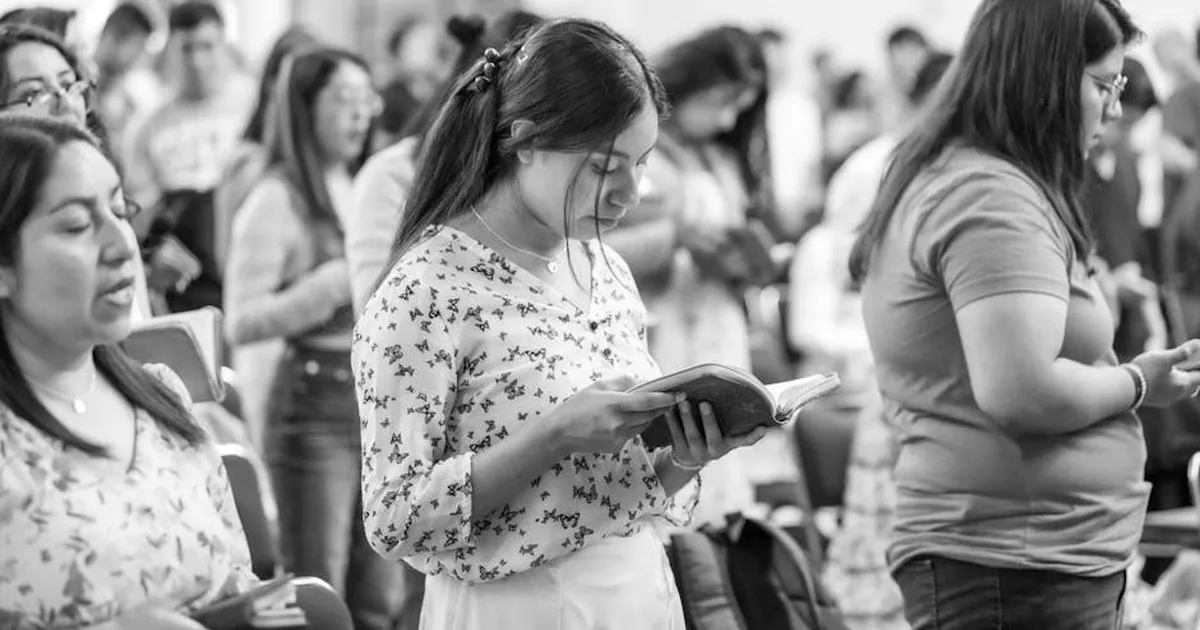
For many believers, the procession is a highlight of the church year. It offers an opportunity to find stillness and focus on what matters. In a hectic world, it creates a space of silence and prayer. The apostle Peter encourages us: "Casting all your anxieties on him, because he cares for you" (1 Peter 5:7, ESV). In community, we can share these burdens and find comfort.
Pastoral Care Along the Way
During the procession, pastors and counselors are present, available for conversations. They listen, pray with people, and offer blessings. This is an important ministry that shows God is near in all circumstances of life. Jesus himself is the good shepherd who knows his sheep (John 10:14).
Practical Application: How You Can Cultivate Community Yourself
Perhaps you now feel inspired to get involved. Here are some suggestions:
- Learn about local church festivals and processions in your area.
- Offer to help prepare community events.
- Invite friends and neighbors to participate, especially those who don't regularly attend church.
- Set aside time for personal and communal prayer during these events.
The Neuss procession is just one example of how faith can unite people. Every community has its own traditions that can strengthen bonds among believers. The important thing is to remember that, as Christians, we are part of a larger body, united in Christ. May these celebrations inspire us to live our faith with joy and to share it with others.


Comments