
For decades, faith-based colleges and universities have been pillars of community and spiritual formation. Yet today, many face a demographic reality that cannot be ignored: a shrinking pool of traditional-age students. This so-called "demographic cliff" has forced institutions to rethink their approach. But rather than seeing this as a crisis, many Christian colleges are viewing it as an opportunity to clarify their mission and serve more intentionally.
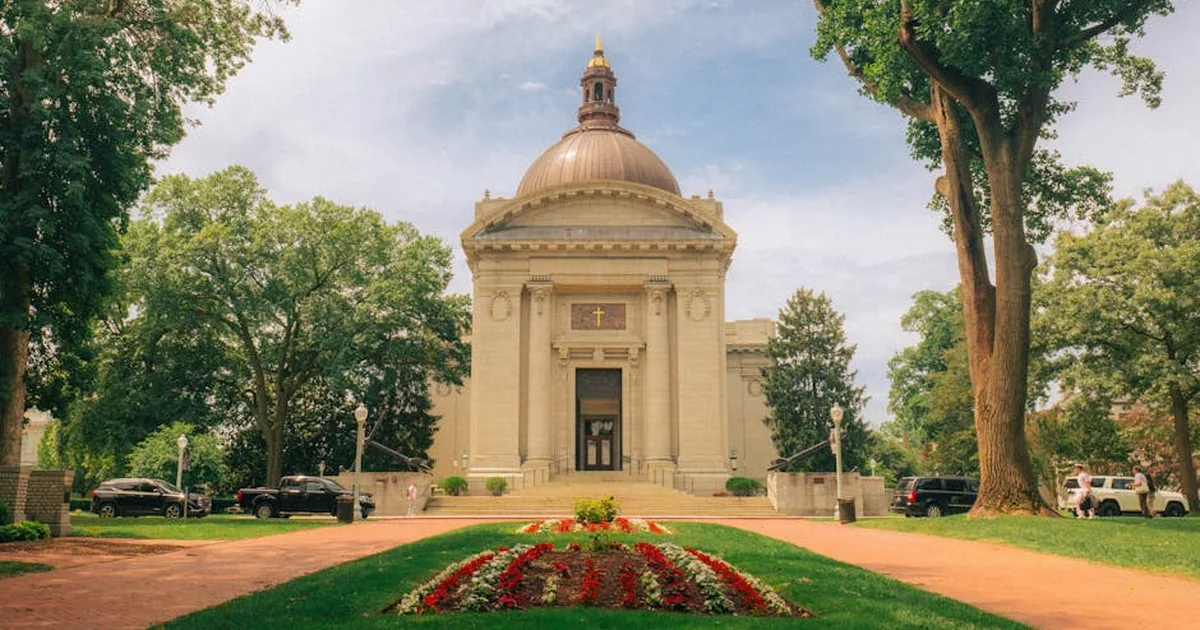
The trend is not unique to any one denomination. Across the board, institutions rooted in faith are asking hard questions: What makes us essential? How can we offer something that secular schools cannot? The answers often point back to the same core—a commitment to integrating faith, learning, and life.
"The fear of the Lord is the beginning of knowledge; fools despise wisdom and instruction." — Proverbs 1:7 (ESV)
This verse reminds us that true education begins with reverence for God. Christian colleges have long believed that learning is incomplete without a moral and spiritual foundation. In a time of uncertainty, that conviction becomes a beacon.
Reimagining the Student Experience
One of the most significant shifts has been in how colleges engage students before they even arrive on campus. Many are investing in robust online communities, mentorship programs, and early academic support. The goal is to build relationships that last beyond the admissions process.
For example, some schools now offer virtual prayer groups and spiritual retreats for prospective students. Others have launched service-learning trips that combine academic credit with hands-on ministry. These experiences help students see that a Christian education is not just about classes—it's about a way of life.
Meeting Students Where They Are
Today's students are more diverse than ever in terms of background, life experience, and financial need. Faith-based colleges are responding by expanding scholarships, offering flexible degree paths, and creating supportive environments for first-generation students.
One innovative approach is the "college within a college" model, where students can earn certificates or associate degrees before committing to a four-year program. This reduces financial risk and allows students to build confidence. Another trend is the growth of adult education programs, designed for working professionals who want to integrate faith and career.
"Commit your work to the Lord, and your plans will be established." — Proverbs 16:3 (ESV)
By adapting to the needs of modern learners, Christian colleges are ensuring that their mission remains relevant for generations to come.
Strengthening Community and Spiritual Formation
At the heart of any Christian college is its community. Chapel services, small groups, and service projects are not just add-ons—they are central to the educational experience. In an age of loneliness and digital disconnect, these institutions offer something rare: a place where students are known and loved.
Some colleges are now emphasizing "formation" over mere instruction. This means intentionally shaping students' character through mentorship, spiritual disciplines, and cross-cultural experiences. The goal is to graduate not just competent professionals, but compassionate leaders.
Chapel and Worship
Chapel attendance has long been a staple, but many schools are refreshing the format to be more inclusive and engaging. Contemporary worship music, student-led services, and guest speakers from diverse traditions help create a vibrant spiritual life. Some campuses have even started interdenominational prayer gatherings, reflecting the ecumenical spirit of our time.
Service and Mission
Faith-based colleges are also doubling down on service. Local partnerships with churches, nonprofits, and schools give students hands-on opportunities to live out their faith. International mission trips, while temporarily disrupted by global events, are being reimagined with a focus on long-term partnerships and cultural humility.
"Let your light shine before others, so that they may see your good works and give glory to your Father who is in heaven." — Matthew 5:16 (ESV)
Financial Sustainability and Innovation
To navigate the demographic cliff, colleges are also getting creative with finances. Some have launched endowment campaigns specifically for student scholarships. Others are forming consortia to share resources—everything from library databases to faculty expertise.
Online learning has become a permanent fixture, allowing schools to reach students who cannot relocate. Hybrid programs that combine online coursework with intensive on-campus experiences are particularly popular. These models reduce costs while maintaining the relational core of Christian education.
Another trend is the expansion of vocational training. By offering degrees in fields like healthcare, technology, and business—with an ethical framework—colleges can attract students who want both a career and a calling.
Looking Ahead with Hope
The challenges facing faith-based higher education are real, but they are not insurmountable. As one college president recently put it, "The gospel never goes out of style." Christian institutions have weathered many storms over the centuries, and this moment is no different.
By staying true to their mission while embracing innovation, these schools are finding new ways to serve. They are not just surviving—they are preparing a generation of students to lead with faith, wisdom, and compassion.
As you reflect on this, consider: How can your local church or community support the next generation of Christian leaders? Whether through prayer, mentorship, or financial gifts, we all have a role to play in nurturing faith-filled education.




Comments