
In the life of every Christian community, there are seasons of transition and change. These phases can present both challenges and opportunities for spiritual growth. When long-standing leaders embark on new paths or pass on responsibilities, unexpected possibilities often open up for the entire congregation.
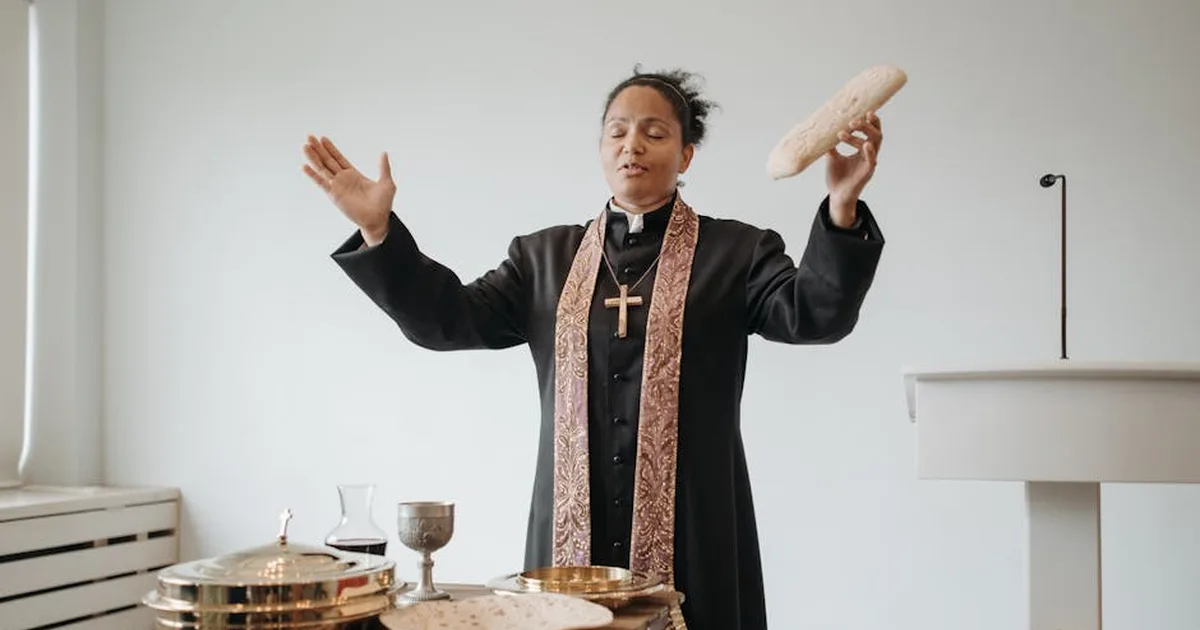
The Significance of Transitions
Transitions belong to the natural rhythm of community life. The Bible shows us numerous examples of how God calls people at specific times for special tasks and later leads them into new areas. These changes serve not only personal development but can also strengthen and renew the entire community.
"For I know the plans I have for you," declares the Lord, "plans to prosper you and not to harm you, plans to give you hope and a future." (Jeremiah 29:11 NIV)
New Leadership as a Gift
When a leader passes on their position after years of service, it may initially appear as a loss. Yet from a Christian perspective, every new leadership is a gift from God to His church. Each person brings unique gifts and perspectives that can serve the community in their particular time.
The Role of Experience and Renewal
Experienced congregation members who have served for years carry a valuable treasure of wisdom and insight. At the same time, new leaders often bring fresh ideas and energy. This combination of proven experience and new enthusiasm can help communities both preserve their traditions and find contemporary ways of proclaiming the gospel.
Practical Aspects of Transitions
Healthy transitions in congregational life require several important elements:
- Open communication about upcoming changes
- Appreciation for past service
- Prayer for all involved during the transition
- Patience during the orientation period
- Support for the new leader
These practical steps help congregations navigate changes constructively and minimize conflicts.
Biblical Perspectives on Change
Holy Scripture offers rich insights on the theme of change and transitions. From Abraham's call to an unknown land to Paul's various missionary journeys, we see how God leads people through changes to fulfill greater purposes.
"See, I am doing a new thing! Now it springs up; do you not perceive it? I am making a way in the wilderness and streams in the wasteland." (Isaiah 43:19 NIV)
The Example of the Early Church
The Book of Acts shows us how the early Christian community handled significant changes. The transition from a predominantly Jewish community to a movement that also included Gentiles required great adaptability. Through the work of the Holy Spirit, this transformation succeeded and led to worldwide growth of faith.
The Current Situation in the Worldwide Church
In our time, Christian communities worldwide are experiencing various forms of change and renewal. Following the passing of Pope Francis in April 2025 and the election of Pope León XIV (Robert Francis Prevost) in May of the same year, we see how transitions are also occurring on a global level. Such changes remind us that the church is a living community that continually evolves while remaining faithful to its mission.
Local and Global Connections
Changes at different levels of the church—whether in a local congregation, a diocese, or the worldwide community—are interconnected. Each transition, large or small, contributes to the ongoing movement of God's people throughout history. By recognizing these connections, we can better appreciate how our local experiences are part of a broader narrative of faith in action.




Comments