
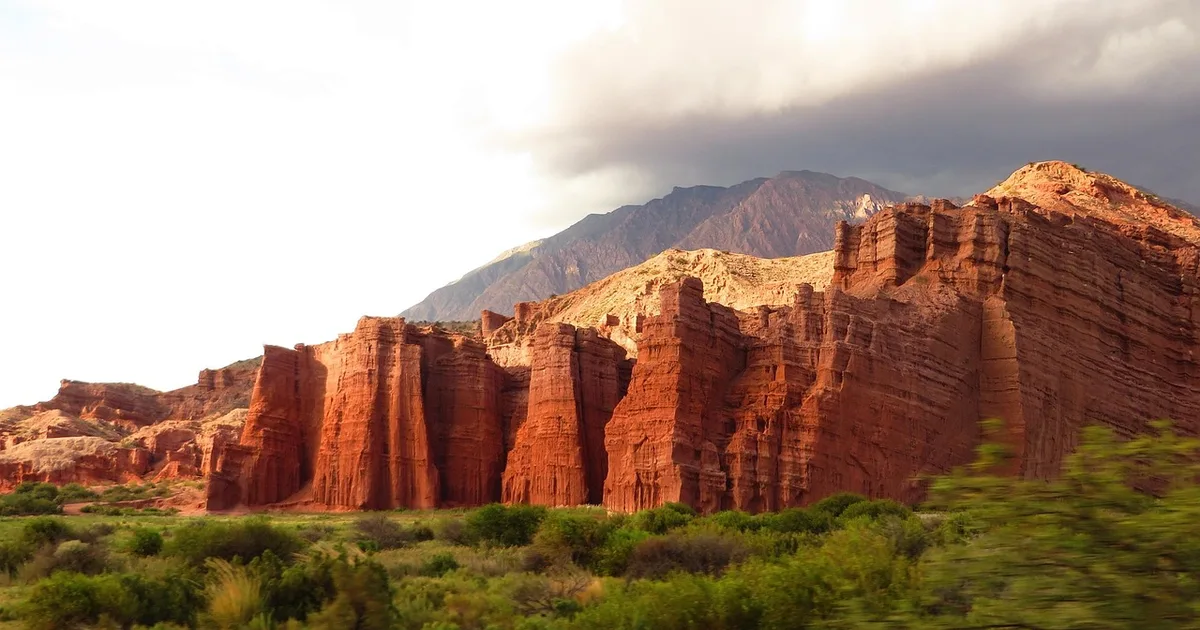
High on Mount Shalacoto, more than 11,800 feet above sea level, stands the sanctuary of the Lord of Muruhuay—a place that has witnessed the unwavering faith of thousands of pilgrims. Every year, during the jubilee month of May, the faithful gather to celebrate the Solemnity of the Lord of Muruhuay, a tradition dating back to the 19th century. According to the story, in the midst of a devastating epidemic, the image of Christ crucified miraculously appeared on a rock, bringing comfort and healing to a suffering people. Since then, the Christ of the Rock has become a symbol of hope for all who face times of pain and hardship.
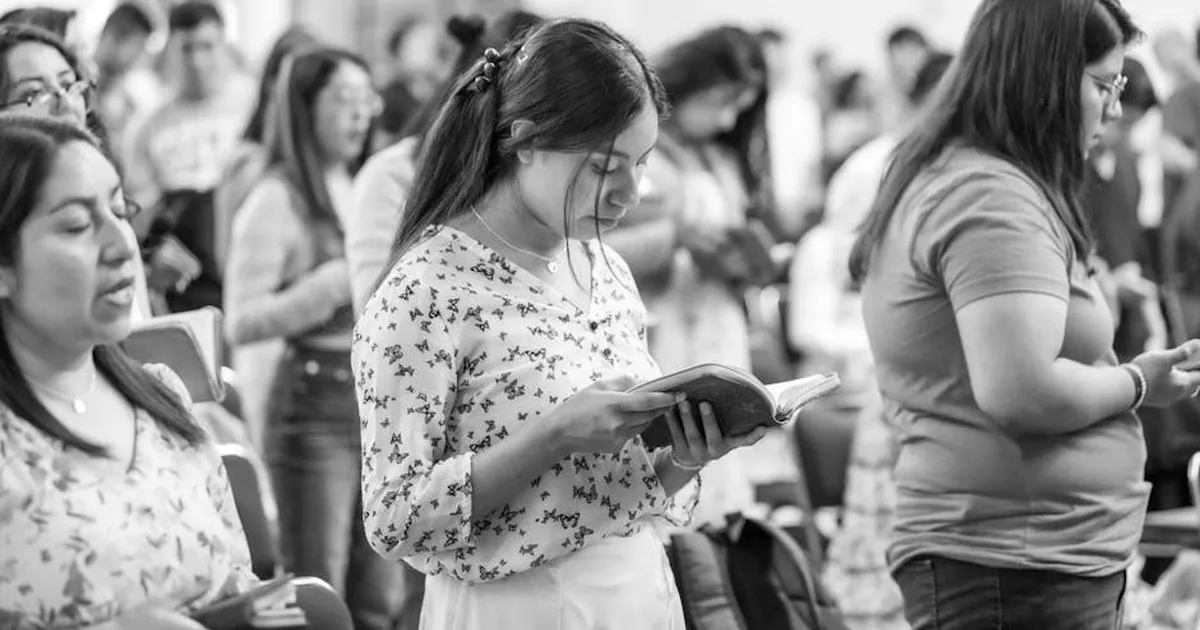
This year's feast was especially significant, as it marked the beginning of the jubilee in honor of the Lord of Muruhuay. The central Eucharist was presided over by Monsignor Miguel Cabrejos, Archbishop Emeritus of Trujillo, and concelebrated by Monsignor Timoteo Solórzano, Bishop of Tarma, along with priests from the diocese and pilgrims from various regions of the country. The crowd that gathered at the sanctuary demonstrated once again that faith is a bond that unites people beyond distances and circumstances.
“Come to me, all you who are weary and burdened, and I will give you rest” (Matthew 11:28, NIV).
This verse resonates powerfully in the hearts of those who visit the sanctuary, for many arrive with heavy burdens: illness, family problems, financial losses. But when they encounter the Christ of the Rock, they find a place to lay down their worries and renew their strength.
A Message of Hope Amid Suffering
The story of the Lord of Muruhuay reminds us that God does not abandon his people in times of trial. The appearance of the image on the rock, in the midst of an epidemic, is a testament that the light of Christ shines even in the darkest hours. For Christians, suffering does not have the final word; hope and new life are the central message of the Gospel.
In his homily, Monsignor Cabrejos invited the faithful to look at the crucified Christ and recognize that, just as he transformed his death into resurrection, we too can transform our pain into opportunities for spiritual growth. “There is no cross that does not have its resurrection,” said the archbishop emeritus, encouraging those present to trust in God's unfailing love.
Devotion to the Lord of Muruhuay is not just a religious event, but also an expression of Andean culture, integrating Christian faith with local traditions. Pilgrims arrive with dances, music, and offerings, creating an atmosphere of joy and gratitude. This blend of the sacred and the popular shows how the Gospel becomes incarnate in every culture, making faith accessible and meaningful for all.
The Power of Community in Faith
One of the most beautiful aspects of this celebration is the unity it generates among believers. People of different ages, social conditions, and regions come together with a single purpose: to honor the Lord of Muruhuay and seek his intercession. This communion is a reflection of the Church as the body of Christ, where each member is important and all support one another.
The Bible teaches us in Hebrews 10:24-25 (NIV): “And let us consider how we may spur one another on toward love and good deeds, not giving up meeting together, as some are in the habit of doing, but encouraging one another.” The Solemnity of the Lord of Muruhuay is a perfect opportunity to put this command into practice, strengthening fraternal bonds and sharing burdens.
Transforming Pain into Life: A Lesson for Today
In a world where suffering seems ever-present, the story of the Lord of Muruhuay offers a powerful reminder that hope is never out of reach. The Christ of the Rock stands as a testament that God can bring beauty from ashes and joy from mourning. As we face our own trials, may we look to this image of Christ crucified and remember that his love is stronger than any sorrow. The jubilee celebration invites us to embrace a faith that not only endures but transforms—turning our pain into a deeper trust in God, and our struggles into opportunities for grace.

Comments