
In an increasingly connected world, the Church reaffirms its universal vocation through encounters that transcend borders. Recently, the bishops of the Antilles Episcopal Conference (AEC) made their ad limina Apostolorum visit to Rome, a historic moment of dialogue and spiritual renewal. Under the leadership of Archbishop Charles Jason Gordon of Port of Spain, these religious leaders brought the joys, sorrows, and hopes of the Caribbean to the heart of Christendom.
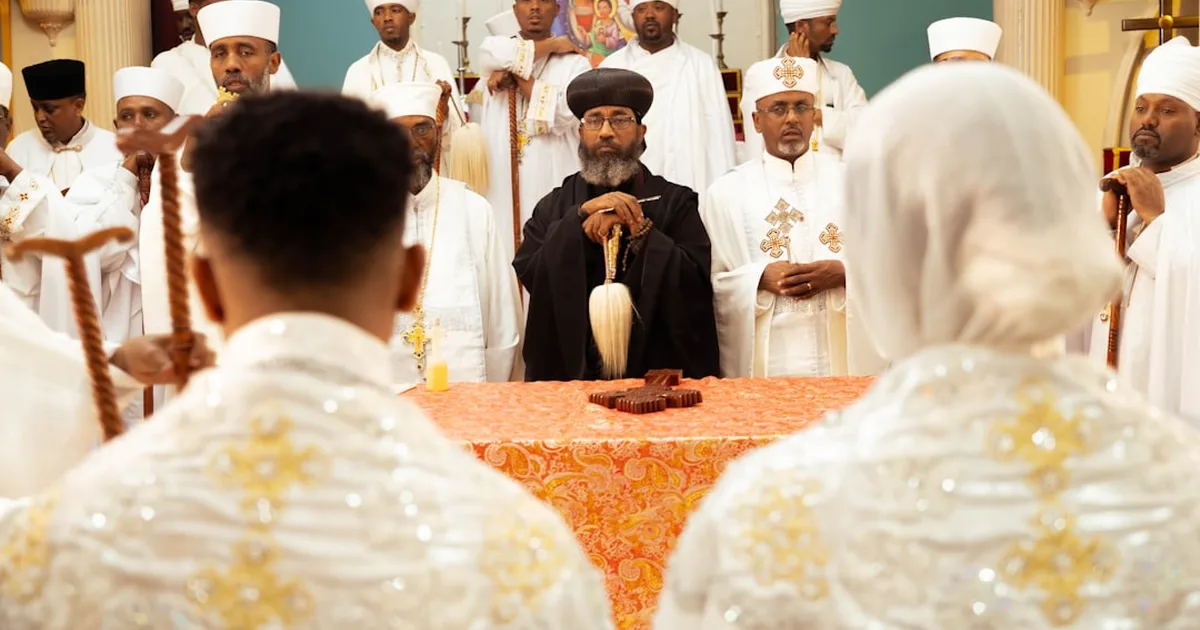
This pilgrimage, which takes place every five years, is not merely a bureaucratic ritual but an opportunity to strengthen the bonds between local Churches and the Holy See. As the Apostle Paul wrote: “There is one body and one Spirit, just as you were called to the one hope of your calling” (Ephesians 4:4, NRSV). The ad limina visit is the living expression of this unity in diversity.
The Caribbean: Challenges and Hopes
The Caribbean region, with its rich cultural and religious tapestry, faces unique challenges. From frequent natural disasters to economic inequalities, the local Church has been a prophetic voice and an outstretched hand. During meetings with Roman dicasteries, the bishops shared how the Christian faith is incarnated in realities such as tourism, migration, and environmental stewardship.
“We came to the Eternal City to listen deeply to the pulse of the Church, but also to share the particularity of our mission,” said Archbishop Gordon. This exchange enriches both the universal Church and local communities, reminding us that “the Church is universal, but also particular,” as he emphasized. The sharing of experiences allows the wisdom of the Caribbean to illuminate global issues, while Rome’s guidance strengthens local witness.
The Importance of the Ad Limina Visit
Established as a moment of accountability and communion, the ad limina Apostolorum (“to the thresholds of the apostles”) visit dates back to the early centuries of Christianity. Bishops visit the tombs of Peter and Paul, symbols of apostolic faith, and meet with the Pope and the Roman Curia. For the Caribbean, this experience is particularly significant, as it allows voices often on the periphery to be heard at the center of the Church.
Archbishop Gordon described the meeting as “a very special moment in the life of a bishop and in the life of the Episcopal Conference.” Indeed, the visit offers a space for mutual listening, where pastoral concerns are discussed and blessings are shared. As it is written: “Therefore, since we are surrounded by so great a cloud of witnesses, let us also lay aside every weight and the sin that clings so closely, and let us run with perseverance the race that is set before us” (Hebrews 12:1, NRSV).
A Look to the Future
The ad limina visit of the Antilles bishops does not end in Rome. It extends into communities, parishes, and the hearts of the faithful. The seeds planted during these days of dialogue will bear fruit in concrete actions: social assistance programs, ecological initiatives, and strengthening catechesis. The Church in the Caribbean, vibrant and resilient, continues to be a beacon of hope amidst the storms.
For the reader, there is an invitation to reflection: How can we, in our own communities, live this same communion? What local challenges can we bring in prayer to the Father, trusting that He hears us? The Church is a family, and each member has a unique role to play. May we, like the Caribbean bishops, always seek unity in diversity, guided by the Holy Spirit.
“Go therefore and make disciples of all nations, baptizing them in the name of the Father and of the Son and of the Holy Spirit” (Matthew 28:19, NRSV).



Comments