
On Saturday, April 9, 2026, Cardinal Pietro Parolin, Vatican Secretary of State, celebrated Mass at the Sforza Chapel of the Basilica of Saint Mary Major in Rome with a special intention: peace in Haiti. The ceremony was attended by Haitian Prime Minister Alix Didier Fils-Aimé, who had earlier met with Pope Leo XIV. In his homily, delivered in French, the cardinal condemned the inhuman interests that fuel human trafficking and wars, urging the faithful not to remain indifferent to the suffering of others.
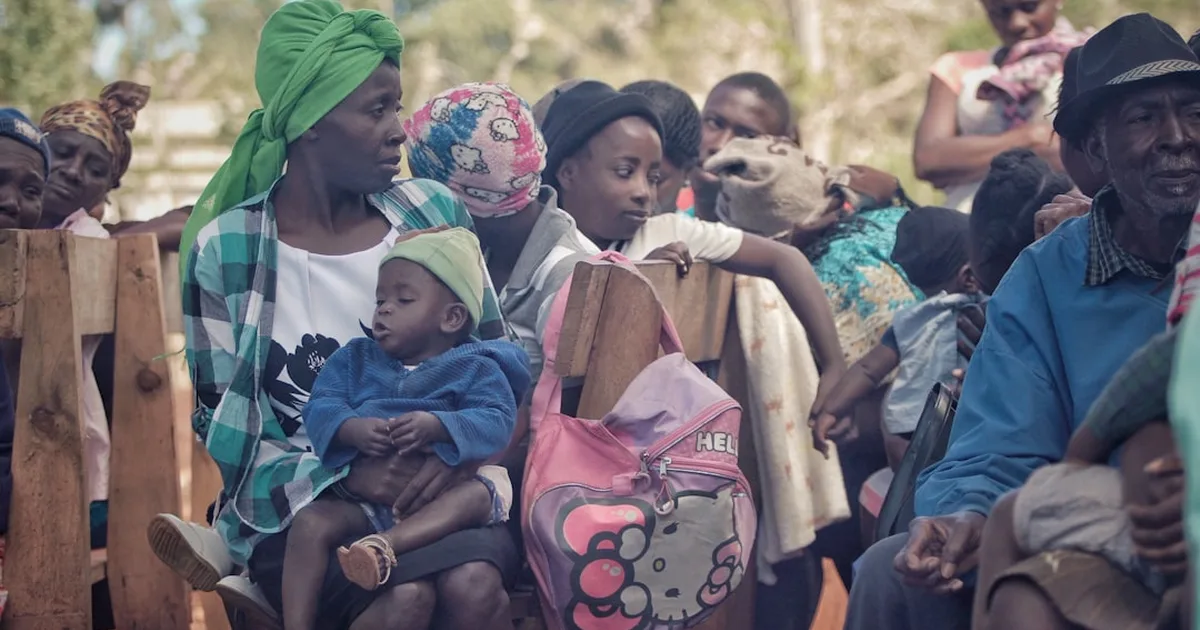
“May peace reign forever in Haiti,” Parolin exclaimed, echoing the desire of millions who long for an end to violence. The Caribbean nation has faced an unprecedented crisis since 2021, with criminal gangs controlling vast areas and causing mass displacement. According to UN data, more than 5,500 people were killed in 2025 alone, and 1.4 million are internally displaced. The situation is worsened by human trafficking, which profits from Haitians' vulnerability.
The Humanitarian Crisis in Haiti
Haiti, already battered by natural disasters and political instability, is now experiencing one of the worst moments in its history. Armed gangs impose a reign of terror, with widespread kidnappings, murders, and sexual violence. Schools and hospitals have closed, and hunger threatens millions. Cardinal Parolin emphasized that behind this tragedy lie economic and political interests that benefit from chaos. “Human trafficking and wars are fueled by an inhuman logic that places profit above life,” he said.
The Catholic Church, through its charitable organizations, has provided assistance to the displaced, but resources are insufficient. Parolin called on the international community not to remain silent in the face of this crisis. “We cannot become accustomed to suffering. Every life is precious in God's eyes,” he said.
Human Trafficking: A Global Scourge
Human trafficking is one of the fastest-growing criminal activities worldwide, generating billions of dollars annually. It is estimated that over 40 million people are victims of this crime, most of them women and children. The cardinal recalled that the Church has firmly opposed this practice, promoting awareness campaigns and welcoming victims. “Human trafficking is a wound on the body of Christ. We must act with courage and compassion,” he urged.
In Haiti, extreme poverty and lack of opportunity make people especially vulnerable to recruitment. Many are deceived with promises of work and end up enslaved in networks of sexual exploitation or forced labor. The political crisis has further worsened this scenario, with the collapse of protection institutions.
The Church's Role in Combating Trafficking
The Catholic Church, through organizations such as the Talitha Kum network, works to rescue and reintegrate victims of human trafficking. It also promotes education and prevention, especially among at-risk youth. Pope Leo XIV has reiterated the Church's commitment to defending human dignity, condemning all forms of exploitation.
In his homily, Cardinal Parolin cited Psalm 82: “Defend the weak and the fatherless; uphold the cause of the poor and the oppressed.” He emphasized that Christian faith demands concrete action on behalf of the most vulnerable. “It is not enough to pray; we must also act. Faith without works is dead,” he said, echoing the Epistle of James.
Wars and Economic Interests
In addition to human trafficking, the cardinal condemned the inhuman interests that fuel wars around the world. “Conflicts such as the one in Ukraine and many others are fueled by the arms trade and the greed of a few,” he said. He noted that the poor are always the most affected by wars, losing their homes, families, and hope.



Comments