
In an age where information flows at lightning speed, churches around the world are exploring how technology can serve their mission. Recently, Brazil’s Catholic bishops took a bold step by approving a national data center to streamline communication between dioceses and provide public access to clergy information. This move has sparked conversations about transparency, accountability, and the role of digital tools in church life. But could a similar initiative work in the United States? More importantly, what can all Christians learn from this effort to build a more connected and trustworthy church?
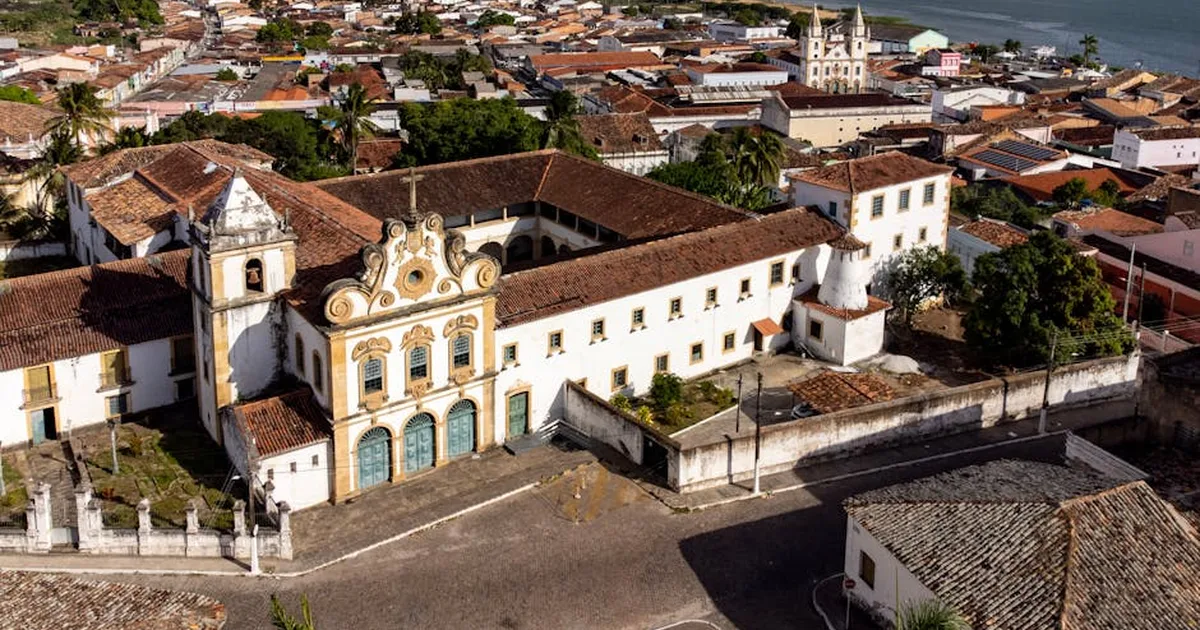
The idea of a centralized data hub for church administration might sound dry, but it touches on something deeply biblical: the call to live in truth and unity. As the Apostle Paul wrote, “speaking the truth in love, we are to grow up in every way into him who is the head, into Christ” (Ephesians 4:15, ESV). A data center, at its best, is a tool for that kind of honest growth—making information accessible and fostering trust among believers.
What Brazil’s Data Center Actually Does
The Brazilian bishops’ conference approved a system that would collect and share information about clergy status, parish resources, and diocesan activities. This means that church members could verify a priest’s credentials, track the allocation of funds, or find out about upcoming events across the country. For a nation with over 200 million Catholics, this is no small undertaking.
At first glance, this might seem like a bureaucratic move. But consider the deeper implications. When a church community knows that its leaders are held accountable through transparent record-keeping, it builds trust. The Bible reminds us that leaders are to be “above reproach” (1 Timothy 3:2, ESV), and a data center can help ensure that standard is met. It also empowers laypeople to participate more fully in the life of the church, since they have access to reliable information.
Of course, data centers raise privacy concerns. The Brazilian model includes safeguards to protect sensitive information, but it’s a delicate balance. Churches must be careful not to become surveillance institutions. Instead, the goal is to create a culture of openness where the body of Christ can thrive.
Why the US Might Not Follow Suit
Different Denominational Structures
One reason a similar data center is unlikely in the United States is the fragmented nature of American Christianity. Unlike Brazil, where the Catholic Church has a centralized hierarchy, the US is home to hundreds of denominations, each with its own governance. Even within Catholicism, American dioceses operate with significant autonomy. A national data center would require cooperation that currently doesn’t exist—and may not be desired.
Protestant churches, especially independent ones, value local control. A pastor in Texas might bristle at the idea of a central database managed by a distant board. Yet, the New Testament envisions a church that is interconnected. Paul’s letters often address multiple congregations, urging them to share resources and support one another. A data center could be a modern expression of that unity, but it would require a shift in mindset.
Privacy Laws and Cultural Sensitivities
Americans are particularly protective of personal data. With strict privacy laws like HIPAA and state-level regulations, any church database would face legal hurdles. Moreover, many Christians are wary of government or institutional overreach. The idea of a central repository of clergy information might feel like Big Brother, even if the intentions are good.
But the Bible calls us to be “wise as serpents and innocent as doves” (Matthew 10:16, ESV). We can embrace technology while respecting privacy. For example, a data center could limit public access to basic information—like a priest’s ordination status—while keeping sensitive details behind secure walls. The key is transparency about what is shared and why.
Cost and Expertise
Building and maintaining a national data center is expensive. Brazil’s effort is backed by the church hierarchy, but in the US, many congregations are struggling financially. Hiring IT professionals and ensuring data security would stretch already tight budgets. Smaller churches might feel left out, creating a digital divide within the body of Christ.
Yet, there are creative solutions. Churches could collaborate regionally, sharing resources and expertise. A data center doesn’t have to be all or nothing; it could start with a simple directory of ministers and grow organically. The early church shared everything in common (Acts 2:44-45), and we can learn from that model of collective stewardship.
Lessons for Every Christian Community
Whether or not your church has a data center, the principles behind Brazil’s initiative are worth considering. Transparency builds trust. Accountability protects the vulnerable. And sharing information strengthens the bonds between believers.
Consider your own congregation: Are there ways to make information more accessible? Could a simple online directory help members connect with each other? What about a system for reporting concerns about clergy conduct? These steps don’t require a national database—just a willingness to be open.
The Bible says, “Therefore, having put away falsehood, let each one of you speak the truth with his neighbor, for we are members one of another” (Ephesians 4:25, ESV). Truth-telling is foundational to Christian community. A data center is one tool among many for living out that calling.
A Practical Reflection
As you read this, take a moment to think about your church’s relationship with information. Are you confident that your leaders are held accountable? Do you feel equipped with the knowledge you need to serve effectively? If not, consider starting a conversation with your pastor or church board. Suggest a simple transparency initiative, like posting financial reports online or creating a public list of staff qualifications.
Remember, the goal is not to create a bureaucracy but to foster a community where everyone can thrive. As Jesus said, “I have come that they may have life, and have it to the full” (John 10:10, NIV). Let’s use every tool—including data—to help that life flourish.
“For where two or three are gathered in my name, there am I among them.” (Matthew 18:20, ESV)
May we gather not only in person but also in truth, building a church that is both faithful and transparent.



Comments