
In the life of our Christian communities, the theme of inclusion represents a profound call that touches the very heart of the Gospel. As the apostle Paul reminds us in his Letter to the Galatians:
"There is neither Jew nor Gentile, neither slave nor free, nor is there male and female, for you are all one in Christ Jesus" (Galatians 3:28 NIV).These words invite us to recognize that in Christ every division is overcome, and each person finds their place in God's great family. The Church, in its various parish and community expressions, is called to live this unity not as an abstract ideal, but as a daily reality built through concrete gestures of welcome and mutual recognition.
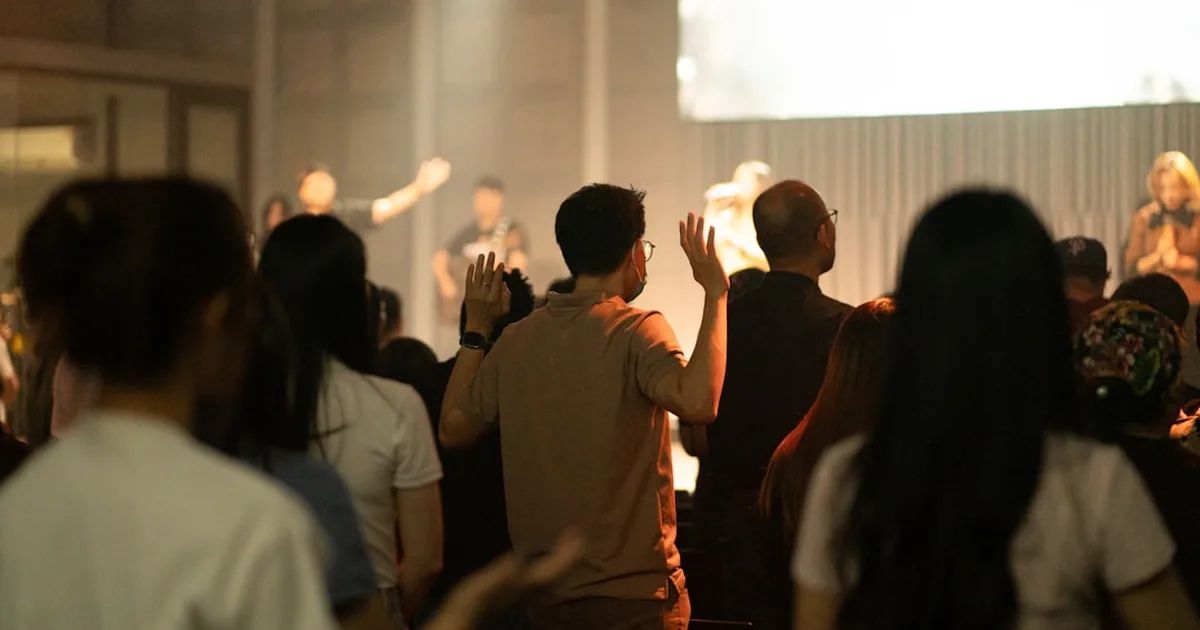
Our time presents significant challenges in how we conceive and live relationships within Christian communities. Often, unintentionally, we can create invisible barriers that exclude some people from full participation in church life. Disability, in its various forms, challenges us precisely on this point: how can we become communities that know how to look beyond physical, mental, or sensory limitations to encounter the person in their wholeness? The answer lies not in special programs or isolated initiatives, but in a change of perspective that involves the entire community.
Pope Francis, in his pastoral concern, frequently reminded us that the Church should be like "a field hospital" that welcomes everyone, especially those on the existential peripheries. Pope León XIV, in his recent election, has also emphasized the importance of building bridges and tearing down walls that separate people. This ecclesial vision directs us toward a pastoral approach of encounter, where every face is recognized as unique and precious in God's eyes.
The Community as a Space of Recognition and Belonging
When we speak of inclusion in our parishes and Christian communities, we're not simply referring to removing architectural barriers, however important that aspect may be. Rather, it's about creating relational spaces where each person feels recognized, heard, and valued for who they are. Sister Veronica Donatello, engaged in pastoral service for people with disabilities, reminds us that belonging to a community doesn't mean just sharing physical space, but feeling part of a common story, a shared journey.
In the Bible, we find numerous examples of how God often chooses those whom society considers weak or marginal to accomplish His purposes. Consider Moses, who had difficulty speaking, or David, the youngest among his brothers. These stories teach us that God looks at the heart and not at outward appearance. As Christian communities, we are called to adopt this same perspective: a gaze that goes beyond abilities or limitations to grasp the unique dignity of every person created in God's image and likeness.
Building an inclusive community requires a cultural change that begins with small daily things: from how we greet people at the church entrance, to attention in preparing catechetical materials in accessible formats, to sensitivity in the language we use during celebrations. These are seemingly simple gestures, but they communicate a profound message: "You are at home here, you are part of the family."
Listening as a Transformative Practice
One of the most significant aspects in accompanying people with disabilities is the capacity to listen. Often, in our communities, we're accustomed to speaking, teaching, guiding. But authentic inclusion is born when we learn to truly listen to the experiences, desires, struggles, and hopes of those who walk with us. This active listening transforms us as a community, making us more human and closer to God's heart, who always hears the cry of His children.
Inclusion is not a project accomplished once and for all, but a journey we walk together, step by step, with patience and perseverance. Every Christian community is called to be a sign of God's Kingdom, where no one feels like a stranger or excluded, where each person can offer their gifts and talents for the common good. On this journey, we count on the grace of the Holy Spirit, who guides us toward full truth and enables us to love as Jesus loved us.



Comments