
On a sunlit day, Pope Leo XIV shared a special moment with believers of all ages, particularly with the youngest who joyfully released colorful balloons into the sky. This simple yet meaningful gesture symbolized prayer ascending to the Creator, uniting generations in a single praise. The Holy Father, with his characteristic smile and paternal tone, expressed gratitude for everyone's presence, emphasizing how beautiful it is to gather together to praise the Lord and receive His blessing.
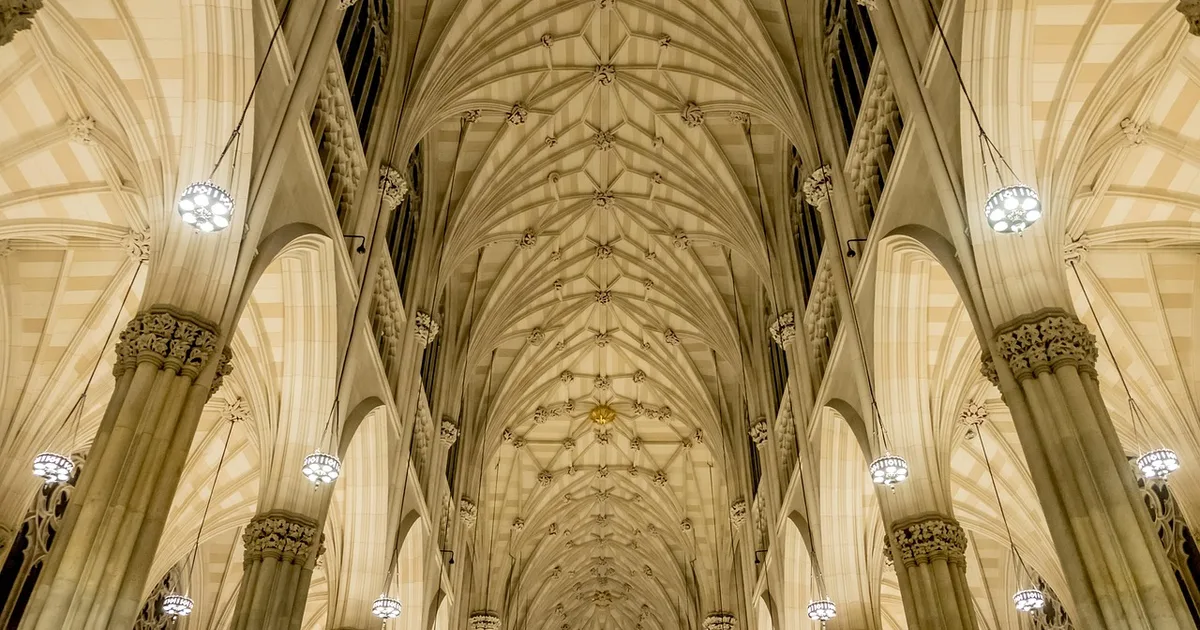
During the gathering, the Pontiff blessed the cornerstone that will mark the beginning of construction for a new church in the City of Peace. With words rich in spiritual meaning, he asked the Lord to pour out His blessing "upon all your people, today especially upon this stone that represents the strength of faith, the strength that unites us, the strength that makes us brothers and sisters in Jesus Christ." This moment represents not only the beginning of a construction project but symbolizes the renewal of personal and communal faith.
Missionary Roots and the Church's Future
Celebrating 170 years of evangelization in Equatorial Guinea, Pope Leo XIV recalled with emotion the sacrifice of generations of missionaries, priests, catechists, and lay faithful who dedicated their lives to serving the Gospel. "This is a fitting occasion to remember all the good that the Lord has accomplished," affirmed the Pontiff, expressing deep gratitude for those who sowed the Word in these lands.
Recalling the teaching of Saint Paul VI, the Pope invited all present to continue with renewed missionary zeal the path traced by their predecessors. "Each and every one is called to a personal commitment that involves their entire life," he emphasized, reminding that faith celebrated in liturgies must nourish charitable activities and responsibility toward neighbors. As the apostle Paul writes:
"The only thing that counts is faith expressing itself through love" (Galatians 5:6, NIV).
The Church That Builds and Witnesses
The Pontiff explained how missionary commitment requires perseverance and sometimes sacrifice, but represents the authentic sign of being Christ's Church. Quoting the Acts of the Apostles, he recalled that while early Christians faced persecution and dispersion, it was precisely through these trials that God's Word spread to new regions.
"Those who had been scattered preached the word wherever they went" (Acts 8:4, NIV).
This missionary dynamic doesn't belong only to the past but characterizes the Church in every age. Pope Leo XIV encouraged the faithful not to fear witnessing to their faith in daily life, family relationships, work, and social engagement. The new church rising from the blessed stone will thus become not only a place of worship but a center radiating Christ's love for the entire community.
Hunger for the Future: Nourishing Christian Hope
The Pontiff's central message revolves around the concept of "having hunger for the future" - not just any future, but one built on the rock of faith in Christ. This spiritual hunger translates into desire for personal growth, community commitment, and openness to the Spirit's newness. Like the disciples at Emmaus who recognized Jesus in the breaking of bread, we are called to recognize the Risen One's presence as we build God's Kingdom together.
The Pope emphasized how Christian hope isn't mere human optimism but a theological virtue rooted in Christ's resurrection.
"Praise be to the God and Father of our Lord Jesus Christ! In his great mercy he has given us new birth into a living hope through the resurrection of Jesus Christ from the dead" (1 Peter 1:3, NIV).
This hope, he affirmed, propels us to look forward with confidence, knowing God is present in every step of our journey. The physical church construction thus becomes a visible symbol of the spiritual building each believer is called to undertake in their own heart and in society.



Comments