
Amidst the challenges our society faces, the Christian community has been called to reflect deeply on its role in protecting the most fragile. Recently, church leaders gathered to reinforce this essential commitment, demonstrating that care for children, youth, and vulnerable adults is not merely institutional policy but an evangelical mandate flowing from the heart of Christ himself.
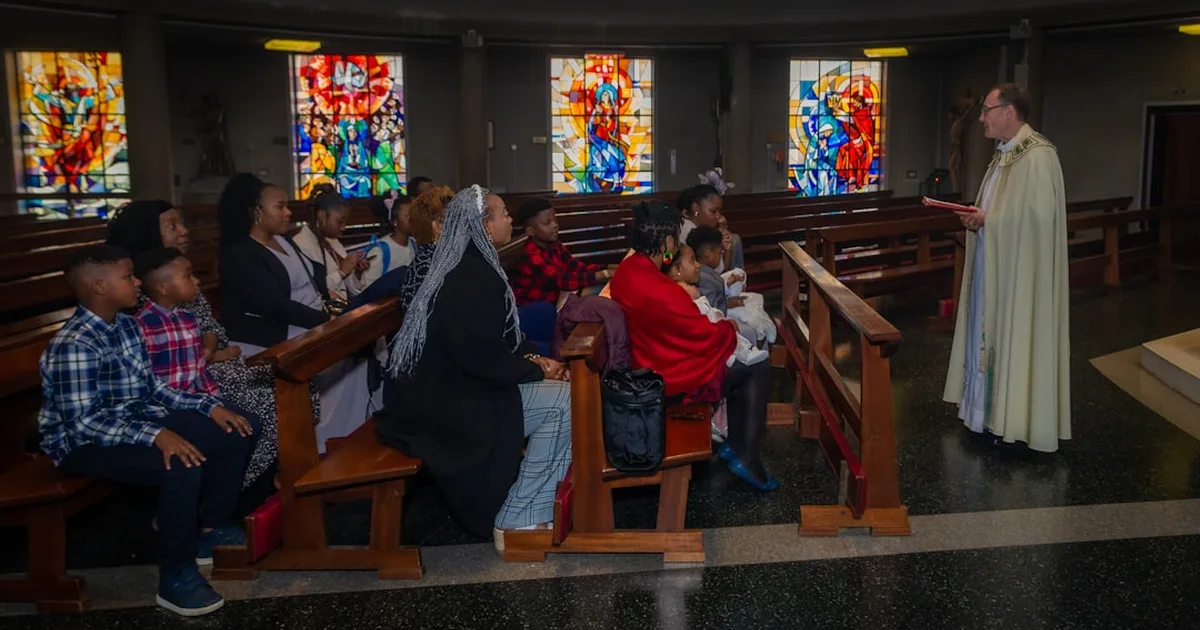
As the Gospel of Mark reminds us, Jesus said:
"Whoever welcomes one of these little children in my name welcomes me; and whoever welcomes me does not welcome me but the one who sent me" (Mark 9:37, NIV).These words echo through the centuries, inviting us to special care for those who most need our protection and love.
An Ecclesial Response to Pain
The Church, in its historical journey, has faced moments of profound pain and learning. Recognizing wounds caused by abuse is an essential part of a healing and renewal process. As a faith community, we are called to look at these realities with courage, truth, and compassion, following the example of the Good Shepherd who seeks the lost sheep.
Bishop Jaime, one of the leaders present at the gathering, emphasized that this concern transcends the walls of religious institutions. "This is a responsibility we share with all of society," he stated. This perspective broadens our view, inviting us to build protection networks involving families, communities, and institutions.
Wounds That Need Healing
Sister Maria, representing religious sisters, shared touching reflections on the lasting impact of traumatic experiences. "Wounds of the soul demand special care, attentive listening, and accompaniment that respects each person's timing," she observed. This pastoral sensitivity is fundamental to creating environments where healing can occur.
The apostle Paul guides us:
"Rejoice with those who rejoice; mourn with those who mourn" (Romans 12:15, NIV).This principle of empathy and solidarity should guide our response to others' pain, especially when dealing with violations of human dignity.
Practical Prevention Strategies
Effective protection requires more than good intentions—it demands concrete actions and well-established structures. During the gathering, several initiatives being implemented were presented:
- Ongoing training for leaders and volunteers on recognizing signs of abuse
- Safe and confidential channels for reporting
- Clear action protocols in risk situations
- Partnerships with professionals specialized in trauma and psychological care
- Regular meetings with families to strengthen communication about safety
Bishop Wellington emphasized that "prevention begins with creating healthy cultures where respect and the dignity of each person are fundamental values." This proactive approach seeks to create environments where abuse finds no space to develop.
The Role of Families and Communities
Christian families are called to be the first spaces of protection and care. Education in self-care, teaching about healthy boundaries, and creating open communication channels between parents and children are essential elements in this protective mission.
The book of Proverbs offers us practical wisdom:
"Start children off on the way they should go, and even when they are old they will not turn from it" (Proverbs 22:6, NIV).This teaching encompasses not only spiritual formation but also developing skills to recognize and respond to risk situations.
An Ecumenical Vision of Care
As an ecumenical platform, we recognize that protecting the vulnerable is a concern that unites all Christian traditions. Pope Leo XIV, in his early addresses, has highlighted the importance of "building bridges of protection where there were once walls of silence." This shared vision encourages us to work together, overcoming denominational differences, to create environments where every person can flourish in safety and dignity.
Local churches are implementing training programs that involve the entire community. From the youngest to the elderly, everyone has a role to play in this culture of care. Young people, in particular, are being trained as safety promoters among their peers, creating a natural protection network.
The ministry of listening has become a fundamental tool. Spaces where people can share their concerns without fear of judgment, accompanied by leaders trained in pastoral care, are proving effective for early prevention and timely intervention.
Let us remember the words of the apostle John:
"There is no fear in love. But perfect love drives out fear" (1 John 4:18, NIV).Our task is to build communities where this perfect love manifests in clear structures, healthy relationships, and verifiable commitments that protect the most vulnerable among us.




Comments