
As we move through 2026, the Church finds itself in a season of renewal and reflection. With the passing of Pope Francis in April 2025 and the election of Pope Leo XIV in May 2025, Christians around the world have been reminded of the enduring nature of our faith. While leadership changes can bring uncertainty, they also offer opportunities for growth and unity. In this article, we explore how church life is evolving, focusing on the simple yet profound ways believers are coming together to worship, serve, and grow in their walk with Christ.
The Rhythm of Weekly Worship
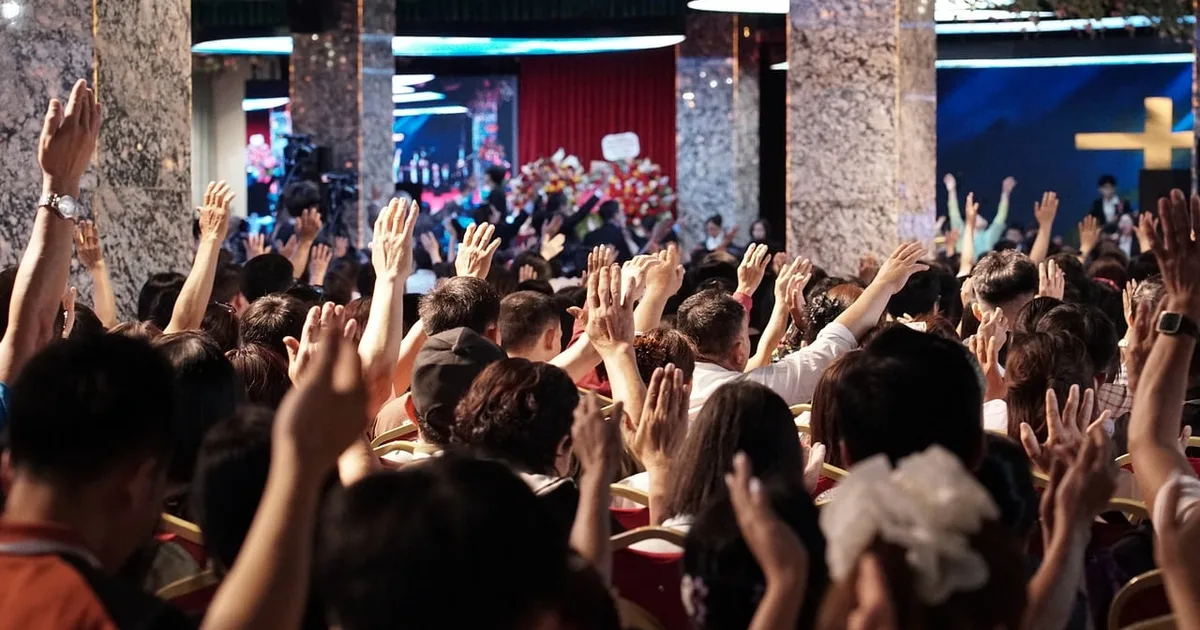
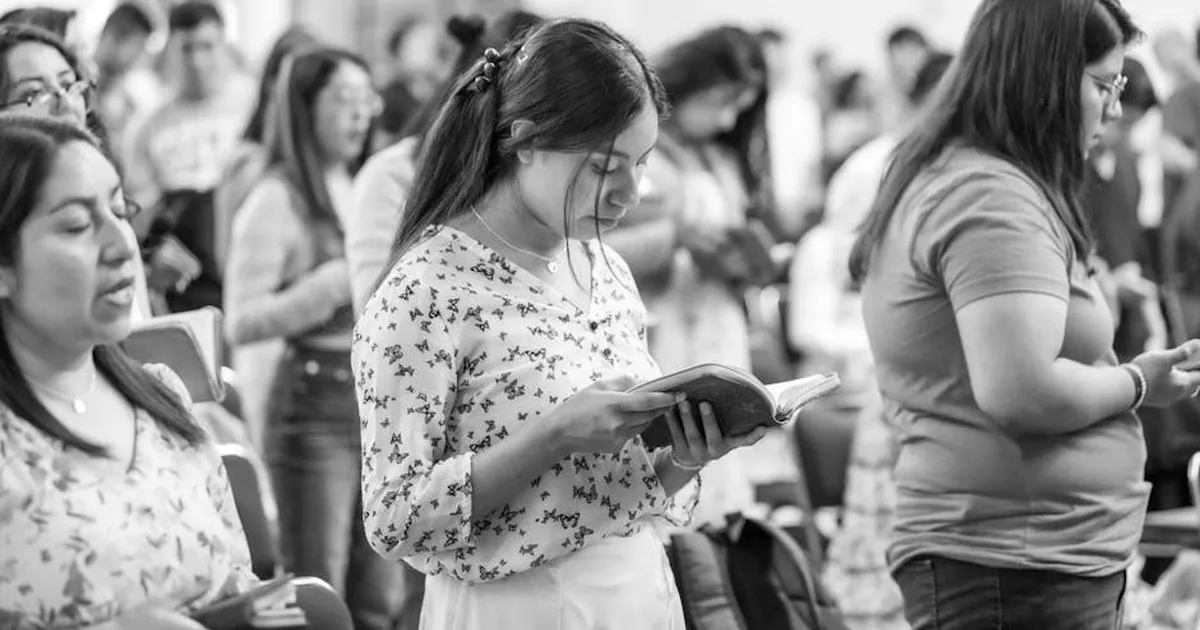
For many Christians, the weekly gathering is the heartbeat of their faith. Whether in a grand cathedral or a small storefront church, the act of coming together to sing, pray, and hear God's Word is foundational. In 2026, churches are rediscovering the power of intentional worship planning. Pastors and worship leaders are blending traditional hymns with contemporary songs, ensuring that all generations can participate fully.
The writer of Hebrews encourages us:
“And let us consider how to stir up one another to love and good works, not neglecting to meet together, as is the habit of some, but encouraging one another, and all the more as you see the Day drawing near.” (Hebrews 10:24-25, ESV)
This verse reminds us that our gatherings are not just about personal enrichment but about mutual encouragement. Churches are now placing greater emphasis on fellowship time after services, creating spaces where members can connect, share burdens, and celebrate joys.
Embracing Diversity in Worship Styles
One of the beautiful developments in church life is the growing appreciation for diverse expressions of worship. Some congregations are incorporating elements from different Christian traditions—such as liturgical readings, responsive prayers, or moments of silence—alongside more informal styles. This ecumenical spirit reflects the heart of EncuentraIglesias.com, which seeks to unite believers across denominational lines.
For example, a church in Texas recently combined a traditional organ prelude with a gospel choir, creating a service that honored both its historic roots and its vibrant multicultural community. Such creativity helps people encounter God in fresh ways while respecting the past.
Small Groups: The Engine of Discipleship
Beyond Sunday mornings, small groups have become essential for spiritual growth. In 2026, many churches are investing in training facilitators and providing resources for Bible studies that go beyond surface-level discussion. These groups often meet in homes, coffee shops, or online, making them accessible to people with busy schedules.
The early church modeled this:
“And day by day, attending the temple together and breaking bread in their homes, they received their food with glad and generous hearts, praising God and having favor with all the people.” (Acts 2:46-47, ESV)
Small groups allow for deeper relationships and accountability. They are places where questions can be asked, doubts expressed, and prayers offered. One group leader shared, “We’ve seen people come to faith, marriages healed, and addictions overcome—all because a few people decided to meet weekly and open their lives to God’s Word.”
Using Technology to Connect
While in-person gatherings remain vital, technology has expanded the reach of small groups. Many churches now offer hybrid options, allowing members who are traveling or homebound to participate via video call. This inclusivity ensures that no one is left out. However, leaders caution that online interaction should supplement, not replace, face-to-face connection. The goal is to build authentic community, not just digital convenience.
Service and Outreach: Faith in Action
Church life extends far beyond the walls of the building. In 2026, congregations are increasingly focused on serving their local communities. From food pantries to after-school programs, Christians are living out the call to love their neighbors. This outward focus not only meets practical needs but also opens doors for sharing the gospel.
Jesus said:
“Let your light shine before others, so that they may see your good works and give glory to your Father who is in heaven.” (Matthew 5:16, ESV)
One inspiring example is a church in Chicago that partnered with other local congregations to launch a job training program for unemployed residents. The initiative, rooted in the belief that every person has dignity and potential, has helped dozens find stable employment. Participants have commented on the genuine care they felt, which led some to explore faith for the first time.
Ecumenical Partnerships
More and more, churches are collaborating across denominational lines to address community issues. This reflects the heart of Christ’s prayer for unity:
“I do not ask for these only, but also for those who will believe in me through their word, that they may all be one, just as you, Father, are in me, and I in you.” (John 17:20-21, ESV)
These partnerships are not about compromising doctrine but about working together on common goals. They demonstrate to the world that Christians can set aside differences for the sake of love and service.
Prayer: The Foundation of All Church Life
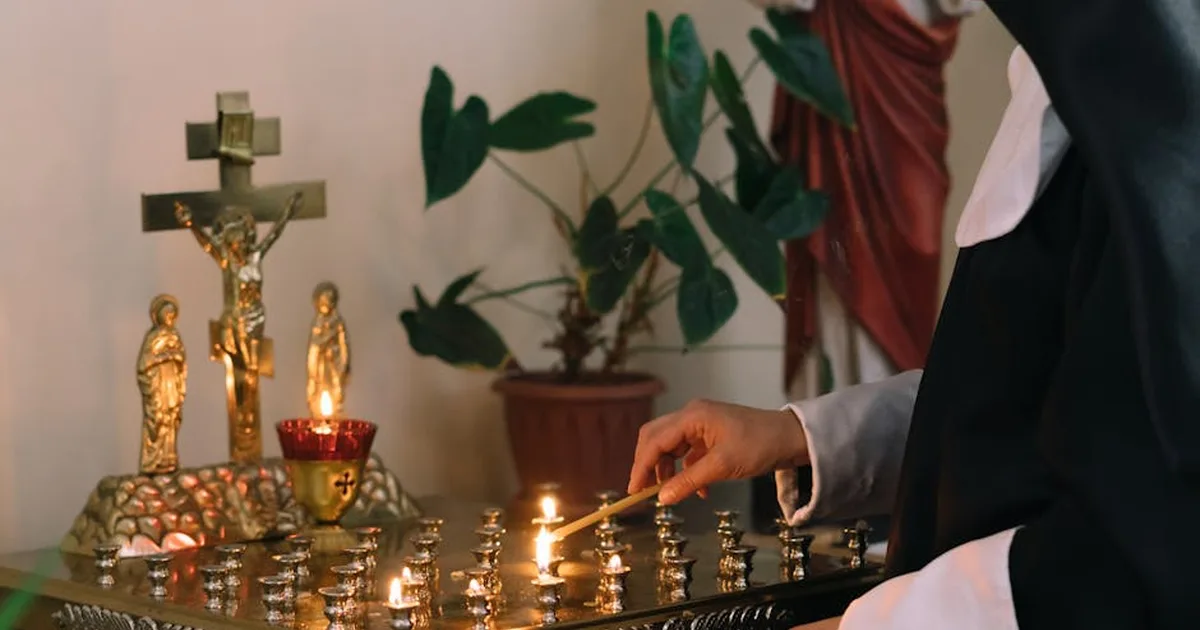
Underlying every aspect of church life is prayer. In 2026, churches are prioritizing prayer meetings, both large and small. Some have started 24/7 prayer rooms, while others have organized prayer walks through their neighborhoods. The apostle Paul urged believers:
“Do not be anxious about anything, but in everything by prayer and supplication with thanksgiving let your requests be made known to God.” (Philippians 4:6, ESV)
Prayer is not just a request line but a way of aligning our hearts with God’s will. When churches pray together, they experience a unity that transcends human effort. Many pastors have noted that their most vibrant times of ministry have been preceded by seasons of focused prayer.
Teaching the Next Generation to Pray
One beautiful trend is the intentional teaching of prayer to children and youth. Churches are creating interactive prayer stations, using art and music to help young people connect with God. Parents are also being equipped to lead family prayer times at home. This investment in the next generation ensures that the legacy of faith continues.
Conclusion: A Call to Deepen Your Engagement
As we reflect on the state of church life in 2026, we are reminded that the Church is not a building or an institution—it is the people of God. Each of us has a part to play in building up the body of Christ. Whether through regular attendance, joining a small group, serving in outreach, or simply praying more consistently, there are countless ways to deepen your involvement.
Take a moment to consider: How can you more fully participate in the life of your local church? What step might God be calling you to take this week? Remember, the journey of faith is not meant to be walked alone. Together, we can encourage one another and grow in love for God and neighbor.
May the Lord bless you and keep you as you seek to live out your faith in community.

Comments