
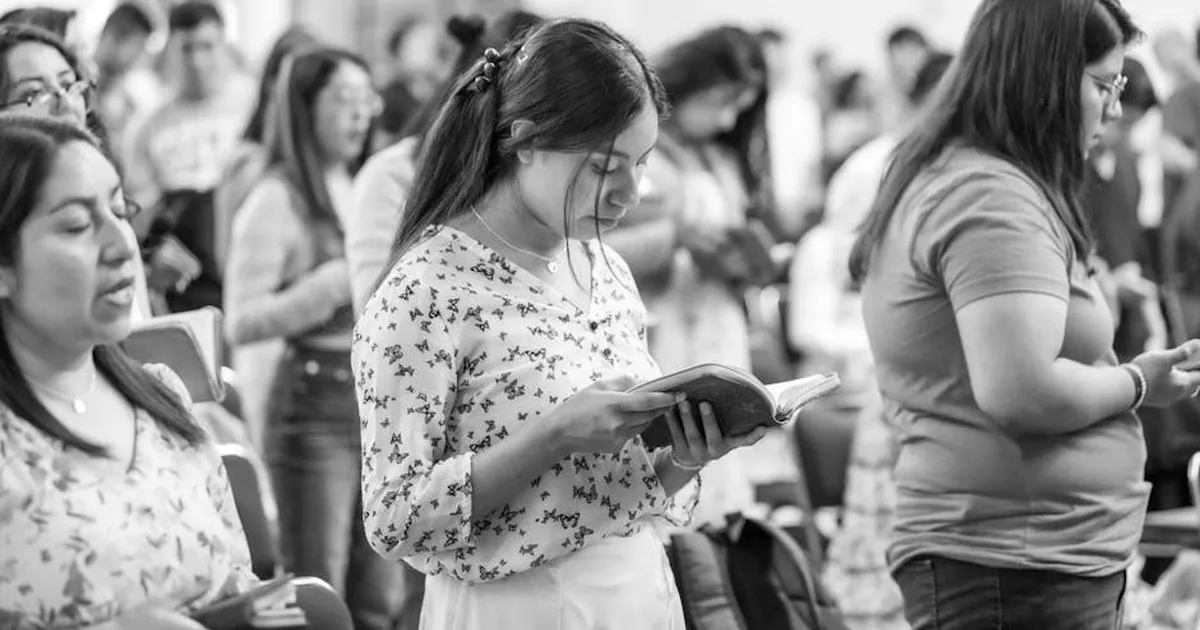
In an increasingly connected world, communication has become an essential tool for the life of the Church. Just as the apostles were sent to proclaim the Good News, today we have digital and traditional means that amplify the Christian message. Coverage of ecclesial events, such as assemblies and gatherings, allows believers across the globe to participate virtually in these important moments. This digital closeness strengthens bonds of communion and keeps the flame of faith alive in our hearts.

When we think about Christian communication, we remember the words of Saint Paul to the Romans:
"How, then, can they call on the one they have not believed in? And how can they believe in the one of whom they have not heard? And how can they hear without someone preaching to them?" (Romans 10:14, NIV)This verse shows us the fundamental importance of carrying the message forward, using all available resources in our time.
Unity in Diversity of Means
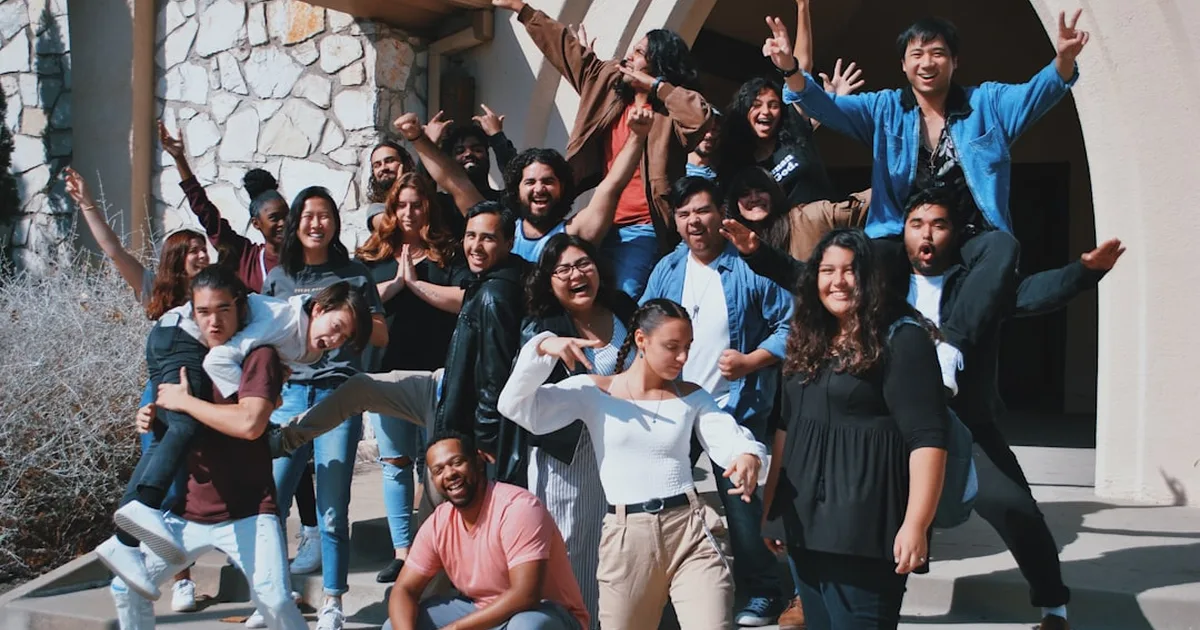
In the Christian world, various communication initiatives work side by side to serve the Church. From radio stations reaching remote communities to digital platforms connecting youth in large cities, each medium has its specific role. This diversity reflects the richness of the body of Christ, where different gifts complement each other for the common good. Coverage of ecclesial events through multiple channels ensures the message reaches people of different ages, contexts, and realities.
It's important to note that while the means are diverse, the content maintains its pastoral and edifying character. Christian communication doesn't just seek to inform, but also to form, comfort, and inspire. As the Letter to the Ephesians teaches us:
"Instead, speaking the truth in love, we will grow to become in every respect the mature body of him who is the head, that is, Christ." (Ephesians 4:15, NIV)This joint growth, guided by truth and love, is the ultimate goal of all communication work in the Church.
The Role of Social Media
Social media has become important spaces for dialogue and sharing faith. Through them, personal testimonies, biblical reflections, and church news reach millions of people. However, it's crucial to use these tools wisely, always prioritizing respect, truth, and charity. Digital communication in the Church should reflect Christian love, building bridges rather than walls.
Spirituality in the Digital Era
Technology doesn't replace in-person community experience, but can complement it in meaningful ways. Live streams of celebrations, virtual retreats, and online prayer groups have allowed many people to maintain active spiritual lives, especially those with mobility challenges or living in areas with few communities. These initiatives demonstrate the creativity of the Holy Spirit, who inspires us to use the resources of each era to glorify God.
Jesus taught us the importance of being united in his name:
"For where two or three gather in my name, there am I with them." (Matthew 18:20, NIV)This promise extends to virtual gatherings too, when we come together with sincere hearts to pray, reflect, and share faith. The essence of Christian communion transcends physical and technological barriers.
Challenges and Opportunities
Christian communication faces specific challenges in our time. The speed of information, misinformation, and superficiality are real risks. Therefore, it's necessary to invest in training for Christian communicators, who need to combine technical competence with spiritual depth. Faithfulness to the Gospel message should be the main criterion in all content produced.
At the same time, opportunities are immense. It has never been more possible to reach so many people with the message of hope and salvation. Well-executed Christian communication can be a beacon of light amid digital noise, guiding people toward a deeper relationship with God and the church community.



Comments